
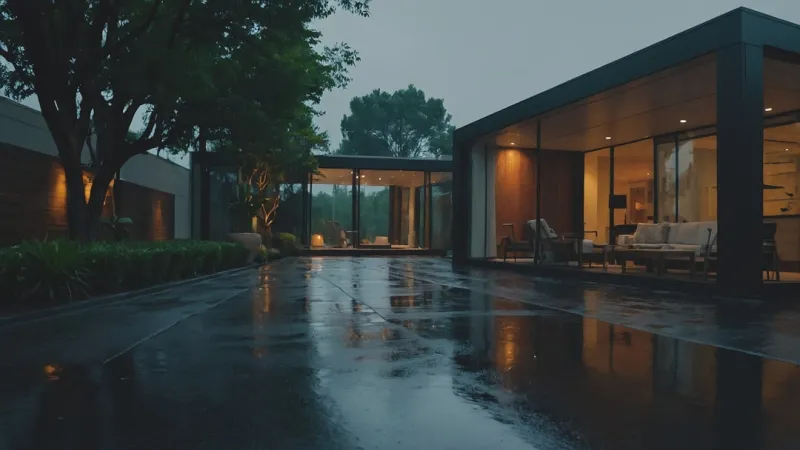
Waterproofing: The Unsung Hero of Sustainable Home Design
As a passionate advocate for sustainable living, I'm always on the lookout for innovative solutions that not only benefit our planet but also enhance our homes. One often-overlooked yet crucial aspect of eco-friendly home design is waterproofing. A well-designed waterproofing system is essential for maintaining the integrity of your home, reducing waste, and promoting a healthier environment. In this article, I'll explore the importance of waterproofing in sustainable home design and share practical tips on how to incorporate eco-friendly waterproofing solutions into your next project.
Waterproofing plays a vital role in preventing water damage, which can lead to costly repairs, mold growth, and even compromise the structural integrity of your home. By investing in a reliable waterproofing system, homeowners can avoid unnecessary waste and reduce their environmental footprint. Moreover, a well-designed waterproofing system can also help to conserve water, reduce energy consumption, and promote a healthier indoor environment. For instance, proper insulation and waterproofing can work together to minimize heat loss and prevent moisture buildup.
The Benefits of Eco-Friendly Waterproofing
Eco-friendly waterproofing solutions offer numerous benefits for homeowners and the environment. These solutions are designed to minimize environmental impact while providing effective protection against water damage. Some of the key advantages of eco-friendly waterproofing include:
- Reduced environmental impact: Eco-friendly waterproofing solutions are made from sustainable materials and are designed to minimize waste and pollution.
- Improved indoor air quality: Eco-friendly waterproofing solutions can help to prevent mold growth and reduce the risk of indoor air pollution.
- Increased energy efficiency: By preventing water damage and reducing heat loss, eco-friendly waterproofing solutions can help homeowners save energy and reduce their carbon footprint.
Choosing the Right Waterproofing Materials
When it comes to selecting waterproofing materials, there are numerous eco-friendly options available. Some popular choices include:
- Recycled rubber waterproofing membranes
- Plant-based waterproofing coatings
- Breathable membranes made from natural materials
These materials offer a range of benefits, including reduced environmental impact, improved indoor air quality, and increased energy efficiency. For example, sustainable roofing solutions can be designed to work in conjunction with eco-friendly waterproofing materials to create a comprehensive sustainable home design.
Waterproofing and Sustainable Home Design
Waterproofing is an essential component of sustainable home design. A well-designed waterproofing system can help to:
- Prevent water damage and reduce waste
- Conserve water and reduce energy consumption
- Promote a healthier indoor environment
By incorporating eco-friendly waterproofing solutions into your home design, you can create a sustainable and resilient living space that benefits both you and the environment. For instance, weatherproofing your home can help to reduce energy consumption and prevent water damage.
Best Practices for Eco-Friendly Waterproofing
To ensure effective and eco-friendly waterproofing, it's essential to follow best practices. Some key considerations include:
- Conducting thorough site assessments to identify potential water risks
- Selecting materials that are durable, sustainable, and non-toxic
- Designing waterproofing systems that are adaptable and resilient
By following these best practices and incorporating eco-friendly waterproofing solutions into your home design, you can create a sustainable and resilient living space that benefits both you and the environment.
Conclusion
Waterproofing is a critical component of sustainable home design that is often overlooked. By investing in eco-friendly waterproofing solutions and incorporating best practices into your home design, you can create a resilient and sustainable living space that benefits both you and the environment. Remember to choose materials that are durable, sustainable, and non-toxic, and to design waterproofing systems that are adaptable and resilient. With the right approach, you can enjoy a healthier, more sustainable home that is better equipped to withstand the challenges of the future.
As we move forward in our pursuit of sustainable living, it's essential to prioritize waterproofing as a key component of eco-friendly home design. By doing so, we can create homes that are not only beautiful and functional but also sustainable and resilient.
Final Thoughts
In conclusion, waterproofing is an essential aspect of sustainable home design that offers numerous benefits for homeowners and the environment. By incorporating eco-friendly waterproofing solutions into your home design, you can create a sustainable and resilient living space that benefits both you and the environment. Remember to prioritize waterproofing in your sustainable home design and to follow best practices to ensure effective and eco-friendly waterproofing.
I hope this article has provided valuable insights into the importance of waterproofing in sustainable home design. By working together, we can create a more sustainable future for ourselves and for generations to come.

When it comes to the world of blogging and writing, Rose DesRochers is a name that stands out. Her passion for creating quality content and connecting with her audience has made her a trusted voice in the industry. Aside from her skills as a writer and blogger, Rose is also known for her compassionate nature.
Related Posts
Waterproofing the Future: IoT, Data, and Sustainable Practices
A deep dive into how real‑time moisture monitoring, predictive analytics, and sustainable waterpro... Read More
The Future of Waterproofing: Sustainable Solutions for a Greener Tomorrow
As the construction industry continues to grow, sustainable waterproofing solutions are becoming inc... Read More
Sustainable Waterproofing: Green Solutions for Long‑Lasting Home Protection
Explore how eco‑friendly waterproofing can safeguard your home, lower your carbon footprint, and i... Read More
Top Posts

Designing Home Restoration for Multigenerational Living
A fresh take on home restoration focuses on universal design, acoustic comfort, and future‑ready technology to create safe, adaptable spaces for grandparents,...Read More
Design a Home Office Oasis That Boosts Focus and Well‑Being
Turn your remote‑work corner into a soothing oasis. Learn how lighting, sound, ergonomic furniture, and personal details combine to boost focus, comfort, and ...Read More
Creating a Home Addition That Grows With You
Learn to plan, design, and fund a home addition that evolves with your lifestyle, from flexible floor plans to smart tech integration and sustainable materials....Read More
Reimagining Furniture Restoration: Craft Meets Science
A deep dive into merging traditional woodworking skills with modern science, offering step‑by‑step diagnostics, material selection, and protective strategie...Read More
0 Comments
Post Comment
You will need to Login or Register to comment on this post!