
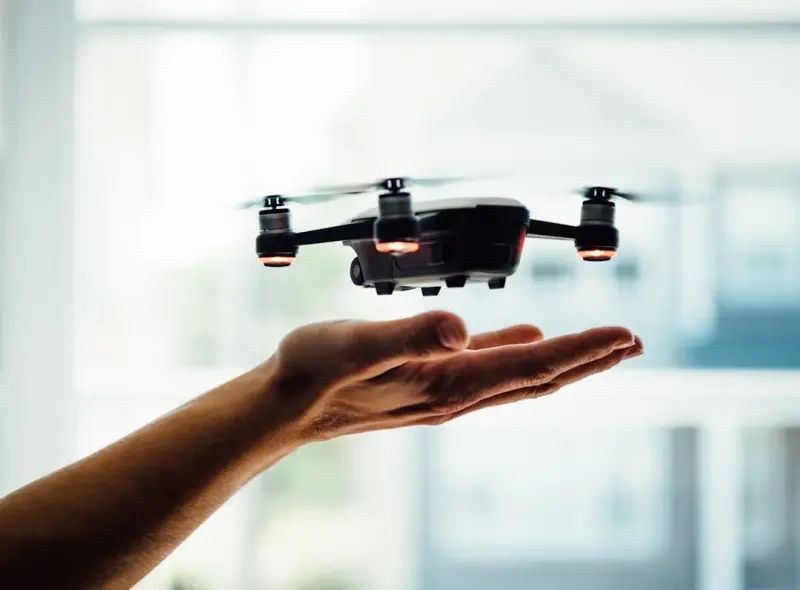
Why Drones Are the Missing Link in Modern Property Maintenance
When I first stepped onto a construction site three decades ago, the only way to inspect a roof or a high‑rise facade was to climb, rope, and pray. Fast forward to today, and a small quadcopter can hover inches from a skylight, capture gigapixel imagery, and deliver a diagnostic report before lunch. The shift isn’t just about cool gadgets; it’s about redefining how we protect assets, reduce costs, and keep tenants happy.
The Real Cost of Blind Maintenance
Traditional property maintenance has always been reactive. A leak appears, a tenant calls, a plumber is dispatched. The time lag between discovery and resolution translates into water damage, mold growth, and, ultimately, higher repair bills. Studies show that proactive inspection can cut maintenance expenses by up to 30 %, yet many owners still rely on periodic visual checks that miss hidden failures.
What if you could see the problem before it becomes a problem? Drones make that possible. By integrating aerial imaging with AI‑driven analytics, property managers can transition from a “fix‑when‑it‑breaks” mindset to a “fix‑before‑it‑breaks” strategy.
Key Advantages of Drone‑Enabled Inspections
- Speed and Safety: A 30‑story building that once required a crew of three days to inspect can now be surveyed in under an hour, eliminating the need for scaffolding and reducing fall risk.
- High‑Resolution Data: Modern drones equipped with 4K cameras, thermal sensors, and LiDAR capture data that reveals moisture intrusion, thermal bridges, and structural deformation with millimeter accuracy.
- Scalable Coverage: From sprawling campus rooftops to intricate interior atriums, a single drone platform can handle diverse environments without swapping equipment.
- Actionable Insights: Integrated AI algorithms flag anomalies—such as a rising temperature hotspot on a flat roof—that would be invisible to the naked eye.
- Documented Compliance: Automated reports with geotagged images satisfy insurance audits and municipal codes, reducing paperwork overhead.
From Images to Insight: The Technology Stack
The magic happens when raw data meets intelligent processing. A typical workflow looks like this:
- Flight Planning: Using GIS mapping, the drone’s flight path is plotted to ensure full coverage while respecting no‑fly zones.
- Data Capture: The drone records visual, infrared, and LiDAR streams simultaneously.
- Edge Processing: Onboard processors perform initial stitching and anomaly detection, reducing the amount of data that needs to be uploaded.
- Cloud Analytics: The uploaded dataset is fed into machine‑learning models trained on thousands of defect images—think cracked membranes, loose flashing, or clogged gutters.
- Action Dashboard: Facility managers receive a concise, color‑coded report with recommended actions, priority levels, and cost estimates.
Integrating Drones with Existing Property Management Systems
Most property management software (PMS) already tracks work orders, vendor contracts, and lease expirations. Adding a drone layer means you can trigger a maintenance ticket automatically when the AI flags a risk. For example, a roof heat signature above the threshold can create a “Roof Inspection – Potential Moisture Intrusion” ticket, assign it to a certified roofer, and set a deadline—all without human intervention.
This seamless integration mirrors the concept of digital twins where a virtual replica of the building updates in real time based on sensor inputs. Drones become the eyes that feed that twin, ensuring the virtual model stays true to physical reality.
Case Study: A Mid‑Size Apartment Complex Saves Thousands
Consider a 250‑unit portfolio spread across three high‑rise towers. The property manager, overwhelmed by aging roofs and limited staff, partnered with a drone service provider. Over a six‑month pilot:
- Drone flights identified 12 roof membrane failures that were not visible from ground level.
- Thermal imaging caught two HVAC condensate leaks that would have caused mold within weeks.
- Predictive analytics scheduled roof patching during off‑peak seasons, avoiding emergency repairs.
The outcome? A $45,000 reduction in emergency repair costs and a 15 % increase in tenant satisfaction scores because issues were resolved before anyone noticed them.
Regulatory and Safety Considerations
Operating drones over private property isn’t a free‑for‑all. You must:
- Obtain a Part 107 (or equivalent) certification if you’re in the U.S.
- Secure written permission from building owners and, where applicable, tenants.
- Adhere to local privacy statutes—blur faces and license plates if they appear in footage.
- Develop a standard operating procedure (SOP) that includes emergency landing protocols and insurance coverage.
These steps might seem bureaucratic, but they protect you from liability and ensure the data you collect remains trustworthy.
Choosing the Right Drone Platform
Not all drones are created equal. Here’s a quick decision matrix:
| Feature | Basic | Mid‑Tier | Enterprise |
|---|---|---|---|
| Camera Resolution | 1080p | 4K + Thermal | 8K + LiDAR + Multispectral |
| Flight Time | 15 min | 25 min | 45 min (swapable batteries) |
| Payload Capacity | 200 g | 500 g | 1 kg+ |
| AI Edge Processing | No | Basic (object detection) | Advanced (defect classification) |
| Price (USD) | $1,200 | $5,500 | $20,000+ |
If you’re just starting, a mid‑tier platform with thermal imaging offers the best ROI. As your data set grows, you can upgrade to enterprise models that feed directly into your building’s smart gutter network or other IoT subsystems.
Future Trends: Swarm Drones and Autonomous Inspections
We’re already seeing experiments with multiple drones working in concert—think a swarm that maps an entire campus in under ten minutes, each unit handling a specific sensor payload. Combined with 5G connectivity, these swarms can stream data in real time, allowing property managers to intervene instantly if a critical fault appears.
In the next five years, fully autonomous inspection cycles could become the norm. A building’s maintenance calendar would trigger a drone sortie every quarter, with AI handling everything from flight safety checks to post‑flight reporting. The human role would shift to overseeing the AI’s recommendations and handling the rare edge cases that require a skilled technician’s judgment.
Getting Started: A Practical Playbook
Ready to bring drones into your maintenance arsenal? Follow this three‑step playbook:
- Audit Your Asset Portfolio: Identify high‑risk structures (flat roofs, large façades, solar arrays) that would benefit most from aerial inspection.
- Partner or Build In‑House? Small owners may prefer a subscription service that handles flight licensing, data processing, and reporting. Larger enterprises often find ROI in developing an internal drone team.
- Integrate with Your Workflow: Connect the drone analytics API to your existing PMS. Set up automated ticket creation, SLA tracking, and cost forecasting dashboards.
Remember, technology is an enabler, not a replacement. The human expertise that interprets a roof’s condition and decides on a repair strategy remains essential. Drones simply give you a clearer, earlier picture.
Conclusion: The Sky Is No Longer the Limit
Property maintenance is at a crossroads. We can continue to scramble up ladders and hope for the best, or we can let drones do the heavy lifting, feeding our building management systems with precise, actionable data. The payoff is measurable: lower repair costs, higher tenant satisfaction, and a more resilient asset base.
If you’ve been skeptical about drones, consider this: the same technology that delivers pizza in minutes can now save you tens of thousands of dollars a year. Embrace the aerial perspective, and let your property maintenance soar.

Paul Gray is a dynamic blogger based in Brampton, where he shares his life with his amazing wife, Sarah. Known for his engaging writing style and relatable insights, Paul has carved out a niche in the blogging world that resonates with readers from all walks of life. When he's not crafting captivating posts, you can find him savoring a cold beer or indulging in the latest blockbuster movie. With a friendly demeanor and a passion for storytelling, Paul brings a unique perspective to his work, making him not just a blogger, but a voice for those who appreciate the simple joys of life.
Related Posts
The Importance of Regular Property Maintenance: A Comprehensive Guide
Regular property maintenance is crucial to prevent costly repairs, enhance your property's value, an... Read More

Predictive Maintenance: Turning Data Into Property Longevity
A deep dive into how property managers can shift from reactive repairs to a predictive maintenance s... Read More
Circular Maintenance: Waste-to-Resource Upkeep for Modern Properties
A deep dive into circular maintenance strategies shows property managers how to repurpose waste, red... Read More
Top Posts
Intelligent Paint: How High‑Tech Coatings Are Changing the Way We Color Our Homes
Modern paint is evolving into a high‑tech platform that improves indoor air quality, reduces energy use, and offers dynamic aesthetics. This post breaks down ...Read More

Weathering the Storm: A Comprehensive Guide to Home Weather Proofing
Weather proofing your home is crucial for protecting your investment, preventing costly repairs, and maintaining a safe and comfortable living environment. Lear...Read More
Eco‑Smart Bathtub Refinishing: A Sustainable Makeover for Modern Homes
A sustainable bathtub refinishing guide that reduces energy use, improves safety, and adds resale value—perfect for eco‑conscious homeowners seeking a green...Read More
Beyond the Boards: How Intelligent Deck Design is Redefining Outdoor Living
The article explores how decks can evolve into smart, sustainable outdoor spaces by incorporating solar power, modular components, water‑smart systems, and ci...Read More
0 Comments
Post Comment
You will need to Login or Register to comment on this post!