
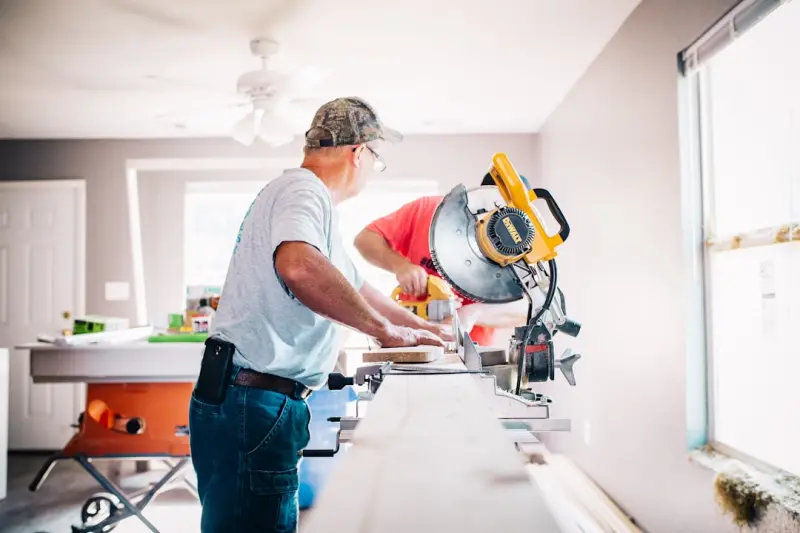
Why Going Green Isn’t Just a Trend—It’s the Future of Handyman Work
When I first picked up a wrench, the biggest challenge was figuring out how to tighten a stubborn bolt without stripping the head. Today, the biggest challenge is figuring out how to finish that same job without leaving a carbon footprint larger than the project itself. The handyman industry is at a crossroads: we can keep doing things the way they’ve always been done, or we can adopt a mindset that treats every repair, installation, or upgrade as an opportunity to be more sustainable.
The Hidden Environmental Cost of Everyday Repairs
Most homeowners don’t think about the environmental impact of a leaky faucet or a squeaky door. Yet each repair involves resources—plastic pipe, metal fasteners, chemical sealants—that often end up in landfills after a short lifespan. According to recent studies, the residential repair sector contributes over 2% of total household waste. That may sound small, but when you multiply it across thousands of jobs per day, the numbers become staggering.
Beyond the waste itself, there’s the hidden energy cost of manufacturing and transporting those materials. A single gallon of paint, for instance, can emit as much as 13 pounds of CO₂ during production. If you’re a handyman who paints a room every week, that’s a significant contribution to climate change—one you can mitigate with smarter material choices.
Eco‑Friendly Materials That Don’t Compromise on Quality
Going green doesn’t mean you have to sacrifice durability or aesthetics. The market for sustainable building products has exploded in recent years, offering a variety of options that are both environmentally responsible and performance‑ready.
- Recycled‑content drywall: Made from post‑consumer paper and gypsum, this material offers the same fire‑rating and sound‑proofing qualities as traditional drywall while diverting waste from landfills.
- Low‑VOC sealants and adhesives: Traditional sealants can release volatile organic compounds (VOCs) that harm indoor air quality. Low‑VOC alternatives provide strong bonds without the health risks.
- Fast‑dry, water‑based paints: These paints reduce the need for harsh solvents and emit far fewer fumes, making them safer for both the homeowner and the handyman.
- Reclaimed wood and metal: Salvaged lumber from demolition sites or reclaimed metal fasteners add character to a project and keep materials out of the waste stream.
When you start recommending these options, you’ll notice a shift in client perception. Homeowners appreciate the added value of a repair that not only fixes the problem but also aligns with their sustainability goals.
Upcycling: Turning Waste Into Functional Features
One of the most rewarding aspects of being a handyman is the creativity it allows. Upcycling is the process of taking something that would otherwise be thrown away and turning it into a useful component of a project. Unlike the ideas presented in The Unconventional Toolbox, which focuses on quick fixes, upcycling is about integrating reclaimed items into the core of a renovation.
Imagine swapping out a standard door handle for a vintage brass knob salvaged from a 1920s bungalow. Or using an old wooden pallet to build a sturdy, rustic coffee table for a client’s patio. These choices add a storytelling element to the job and reduce the demand for new, resource‑intensive products.
Here are three upcycling ideas you can start using right away:
- Old windows as room dividers: Cleaned and framed, they become striking, natural partitions that let light filter through.
- Repurposed copper piping for decorative lighting: Turn leftover pipe into industrial‑style pendant lights that are both functional and a conversation starter.
- Reclaimed brick for garden edging: Instead of buying new bricks, use those salvaged from demolition sites to create a timeless border for flower beds.
By incorporating upcycled elements, you reduce material costs, lower carbon emissions, and give each project a unique, personalized touch.
Smart Scheduling and Inventory Management Reduce Waste
Even the most well‑intentioned handyman can end up with excess material waste if jobs aren’t scheduled efficiently. This is where technology steps in. A Data‑First Playbook for handyman services highlights the importance of real‑time inventory tracking and predictive job scheduling. While the article focuses on data strategy, the practical takeaway for a green‑focused handyman is simple: know exactly what you need before you arrive on site.
Implementing a mobile inventory app lets you:
- Scan barcodes of supplies to track usage per job.
- Set alerts for low‑stock items, preventing emergency orders that often require faster, less efficient shipping.
- Analyze material consumption trends to adjust purchasing habits and prioritize bulk, eco‑friendly options.
When you can guarantee that you’ll have the right amount of material—no more, no less—you dramatically cut down on waste and the associated environmental impact.
Education: Turning Clients into Eco‑Champions
One of the most powerful tools in a handyman’s arsenal is knowledge. By educating homeowners about the benefits of sustainable repairs, you not only enhance the perceived value of your service but also empower them to make greener choices in the future.
Here’s a quick script you can use during a consultation:
“I recommend using this low‑VOC sealant because it reduces indoor air pollutants while providing the same waterproof performance as traditional options. It also helps lower your home’s overall carbon footprint.”
Clients love being part of a solution. When you frame sustainability as a cost‑effective benefit—less waste, potentially lower utility bills, and a healthier indoor environment—you create a win‑win scenario.
Marketing Your Green Handyman Services
Now that you’ve integrated sustainable practices into your workflow, it’s time to let the world know. Here are three low‑cost marketing tactics that highlight your green credentials:
- Showcase before‑and‑after photos that highlight upcycled elements or eco‑friendly materials.
- Offer a “green audit” add‑on where you assess a home’s current waste and suggest sustainable upgrades.
- Partner with local eco‑stores for cross‑promotion—display flyers in their retail space in exchange for a discount on their products for your clients.
These strategies reinforce your brand as a forward‑thinking, environmentally conscious service provider.
Measuring Success: Beyond the Dollar Sign
Traditional handyman metrics focus on revenue per job, time to completion, and customer satisfaction scores. While those remain important, a green handyman should also track:
- Material waste reduction: Measure the weight of scrap material before and after implementing sustainable practices.
- Carbon offset credits: Some regions offer credits for using reclaimed or low‑emission products; tracking these can become an additional revenue stream.
- Client green adoption rate: How many customers choose eco‑friendly options when presented with them?
By quantifying these metrics, you can demonstrate tangible environmental impact, which can be a powerful differentiator in a competitive market.
Future Outlook: The Handyman as a Sustainability Steward
The next decade will see an increasing demand for home repair services that align with climate goals. Builders, developers, and homeowners alike are seeking partners who can help them meet stricter sustainability standards. As a handyman, you’re uniquely positioned to become a trusted steward of that journey, guiding projects from conception through completion with an eye on both functionality and the planet.
Embracing green practices isn’t a fad; it’s a strategic move that will future‑proof your business, deepen client relationships, and contribute to a healthier world—one repair at a time.

Kelly Reynolds is a dynamic freelance writer hailing from the picturesque landscapes of Alberta. A master of the written word, she juggles her passion for storytelling with the exhilarating chaos of being a mother to five spirited children. With an impressive portfolio that spans various genres, Kelly captivates readers through her engaging blog posts and thought-provoking articles.
Related Posts
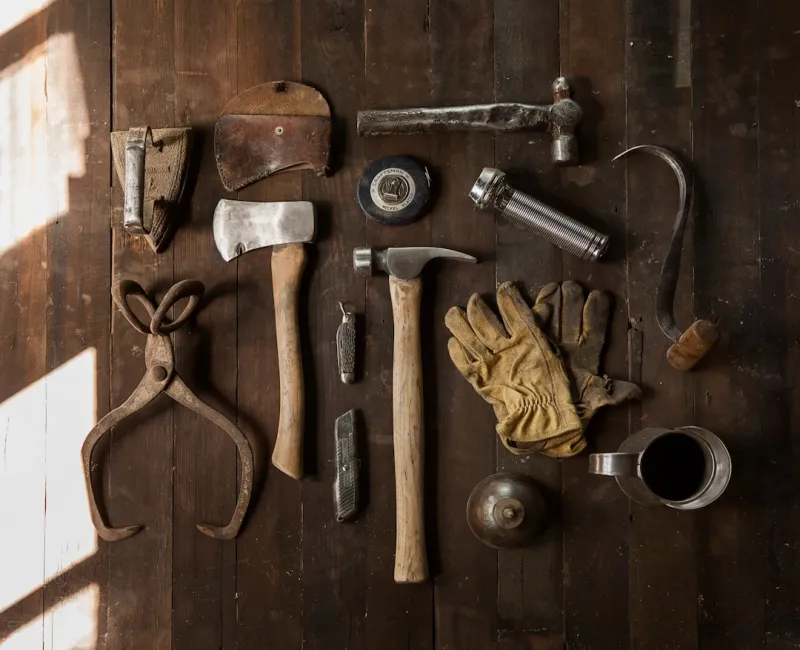
Handyman Hacks for Sustainable Home Fixes
A veteran handyman shares sustainable repair strategies, from water‑saving fixtures to green clean... Read More

Embracing Sustainable Home Improvements: A Comprehensive Guide
Make eco-friendly choices that benefit both the planet and your quality of life with sustainable hom... Read More
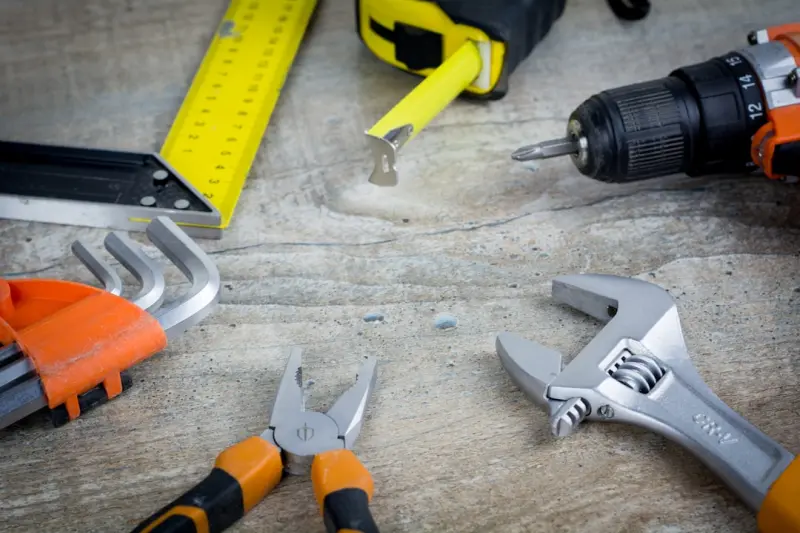
The Handyman’s Blueprint for Rapid, Profitable Repairs
Learn how a tactical service calendar, clear pricing, mobile toolkits, and digital tools can turn ev... Read More
Top Posts
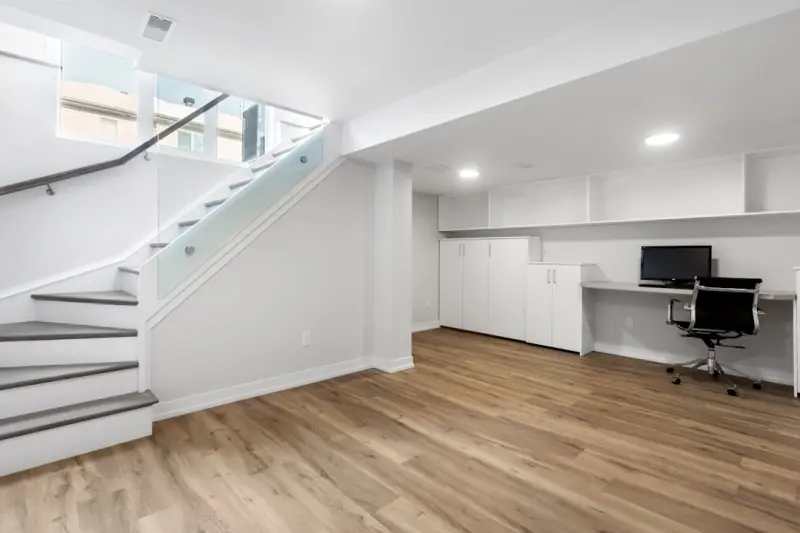
Turning Your Basement Into a Holistic Wellness Sanctuary
Learn step‑by‑step how to convert an underused basement into a holistic wellness retreat, covering air quality, artificial daylight, soundproofing, biophili...Read More

Transforming My Bathroom: A Sustainable Renovation Journey
A personal, eco‑focused bathroom makeover that blends radiant floor heating, smart water fixtures, and reclaimed materials for a stylish, energy‑saving sanc...Read More
Designing a Year‑Round, Multi‑Functional Deck That Works for Everyone
Learn to transform a basic deck into a year‑round, multi‑functional outdoor living space with durable materials, smart tech, pet‑friendly design, and lowâ...Read More
The Intersection of Lawn Care and Sustainable Home Design
As a homeowner, maintaining a lush and vibrant lawn can be a point of pride. However, traditional lawn care practices can have a significant impact on the envir...Read More
0 Comments
Post Comment
You will need to Login or Register to comment on this post!