
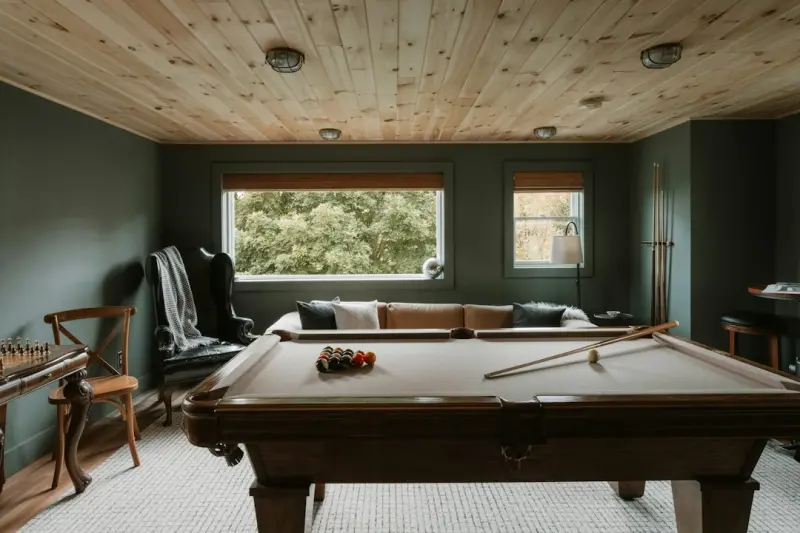
Turning Your Basement into an Eco‑Conscious Living Hub
When I first stepped into a dim, unfinished basement during a client’s home tour, I felt the familiar mix of potential and hesitation. The space was a blank canvas—cold concrete, a faint scent of damp, and a chorus of muffled street noises. Yet, beneath that rawness lay a chance to create something that not only adds square footage but also aligns with the growing demand for sustainable living. This post is my deep‑dive into redesigning basements with an eco‑first mindset, blending reclaimed materials, energy‑saving technologies, and biophilic touches to craft a healthy, high‑performance sanctuary.
Why an Eco‑Friendly Basement Matters
Traditional renovations often focus on aesthetics and immediate functionality, overlooking the long‑term environmental impact. Basements are uniquely positioned to become green powerhouses because they:
- Benefit from the earth’s natural insulation, reducing heating and cooling loads.
- Offer hidden space for renewable energy storage, such as battery banks or thermal storage tanks.
- Provide a low‑light environment that can thrive with natural materials, creating a calming retreat without excessive artificial lighting.
By treating the basement as a strategic component of a home’s sustainability plan, you can achieve measurable energy savings, healthier indoor air, and a compelling story that resonates with today’s environmentally conscious buyers.
Step 1: Assess the Site with a Green Lens
Before any demolition or design begins, conduct a thorough audit:
- Moisture Check: Use a calibrated hygrometer to map humidity levels. Persistent moisture can lead to mold, which undermines health goals.
- Structural Review: Verify that the foundation, walls, and floor are sound. Address any cracks or water intrusion points with low‑VOC sealants.
- Energy Baseline: Install temporary temperature and humidity loggers for a week to understand the natural thermal performance of the space.
Documenting these findings gives you a data‑driven starting point, allowing you to prioritize interventions that offer the greatest environmental return.
Step 2: Choose Materials that Tell a Story
Reclaimed and locally sourced materials are the backbone of a green basement makeover. Here’s how to make smart selections:
Reclaimed Wood
Old barn beams, salvaged pallet boards, or de‑constructed hardwood flooring can be re‑finished for walls, accent panels, or custom shelving. Not only does reclaimed wood divert waste from landfills, it also brings a warm, textured aesthetic that softens concrete’s starkness.
Recycled Metal and Glass
Consider using recycled steel studs for framing—these have a lower carbon footprint than new steel. For lighting fixtures, look for tempered glass made from post‑consumer bottles. They scatter light beautifully while showcasing circular design.
Low‑Impact Insulation
Traditional fiberglass batts are effective but often contain formaldehyde. Instead, opt for cellulose insulation made from post‑consumer paper, or hemp insulation that offers comparable R‑values with a renewable source.
Non‑Toxic Finishes
Choose paints, sealants, and floor coatings that are low‑VOC or zero‑VOC. The Unlocking Everyday Comfort: 12 Home Hacks That Actually Work post highlights several budget‑friendly, low‑odor paint brands that perform well in low‑light environments.
Step 3: Optimize Energy Use
Even though basements naturally stay cooler in summer and warmer in winter, you can fine‑tune their performance:
Heat Recovery Ventilation (HRV)
An HRV system pulls in fresh outdoor air while retaining heat from exhaust air, ensuring a constant supply of clean, conditioned air without sacrificing energy efficiency. Pair it with a smart thermostat for automated control.
LED Lighting with Smart Controls
LEDs consume up to 80% less electricity than incandescent bulbs. Install dimmable, warm‑tone LEDs along the perimeter and use motion sensors to avoid unnecessary illumination. For a subtle ambient glow, place LED strips behind reclaimed wood cove moldings.
Renewable Energy Storage
If your home already has solar panels, the basement is an ideal location for the battery bank. The constant temperature helps maintain optimal battery health and reduces the need for active cooling.
Radiant Floor Heating
When heating is required, consider low‑temperature radiant floor heating powered by a heat pump. This system runs efficiently in basements, delivering comfortable warmth without noisy radiators.
Step 4: Bring Nature Indoors
Biophilic design isn’t just for bright, airy rooms. Even a low‑light basement can benefit from strategic plant integration:
- Low‑Light Plants: Snake plants, ZZ plants, and cast iron plants tolerate low light and help filter indoor air.
- Living Walls: A modular vertical garden on a reclaimed timber frame adds texture and a fresh scent. Choose a hydroponic system that recirculates water to minimize waste.
- Natural Textures: Incorporate stone veneer, reclaimed brick, or cork flooring to evoke a tactile connection to nature.
These elements not only boost visual appeal but also improve indoor air quality—a crucial consideration for a space that may be used as a home office or meditation area.
Step 5: Design for Multi‑Purpose Use
A sustainable basement should be adaptable. Here are three functional zones that work together harmoniously:
Home Office / Remote Work Hub
Install ergonomic furniture made from reclaimed wood, a sound‑absorbing panel made from recycled denim, and a high‑speed fiber connection. The quiet environment of a basement, when properly insulated, provides a distraction‑free workspace.
Wellness Retreat
Dedicate a corner to yoga or meditation with a reclaimed bamboo floor, a small indoor water feature, and soft, programmable lighting that mimics sunrise and sunset cycles. This zone encourages mental reset without leaving the house.
Entertainment Nook
Integrate a wall‑mounted projector, acoustic panels, and a low‑profile, reclaimed‑wood media console. The thick earth walls naturally dampen sound, reducing the need for heavy acoustic treatment.
Step 6: Partner with the Right Professionals
A green basement renovation is a collaborative effort. Engaging specialists who understand sustainable building practices is essential. For instance, The Handyman’s New Role as a Tech‑Savvy Home Ally article underscores how modern handymen can bridge the gap between traditional craftsmanship and cutting‑edge green tech, ensuring that installations—from HRV systems to reclaimed wood work—are executed flawlessly.
When vetting contractors, ask for:
- Proof of experience with low‑VOC finishes and recycled materials.
- References for projects that incorporated renewable energy storage.
- Certification in green building standards such as LEED or Passive House.
Step 7: Track Your Impact
After completion, continue monitoring to quantify the environmental benefits:
- Use a smart energy monitor to compare pre‑ and post‑renovation electricity usage.
- Log indoor air quality metrics (CO₂, VOCs, humidity) weekly.
- Calculate the carbon offset from reclaimed material usage versus new material production.
These data points not only validate your investment but also provide compelling storytelling material for future home sales or rental listings.
Common Pitfalls and How to Avoid Them
Over‑Insulating: While insulation is critical, too much can trap moisture, especially in older homes. Balance R‑value with breathable wall assemblies, such as using vapor‑permeable membranes.
Neglecting Light: A basement can feel oppressive if it lacks adequate illumination. Combine layered lighting—ambient ceiling LEDs, task lighting over work areas, and accent lighting on reclaimed wood—to create depth.
Choosing “Green” Products Without Verification: Not all products marketed as eco‑friendly meet rigorous standards. Look for third‑party certifications like GREENGUARD, FSC, or Cradle‑to‑Cradle.
Future‑Proofing Through Circular Design
Beyond immediate sustainability, think of the basement as a component of a circular economy. Design elements should be disassemblable, allowing future homeowners to replace or repurpose parts without waste. For example, using modular reclaimed wood panels attached with hidden fasteners lets you swap sections without tearing down entire walls.
This approach aligns with the growing trend of adaptable homes that can evolve with the occupants’ needs, ensuring the space remains relevant and environmentally sound for decades.
Wrapping Up: A Basement That Breathes Green
Renovating a basement is more than expanding square footage; it’s an opportunity to embed sustainability into the core of a home. By prioritizing reclaimed materials, energy‑efficient systems, biophilic design, and flexible zones, you create a space that supports health, productivity, and environmental stewardship. The result is a basement that doesn’t just sit below the house—it rises above expectations, proving that responsible design can be both beautiful and functional.
Ready to start your own eco‑friendly basement transformation? Gather your inspiration, consult the right green‑focused professionals, and let the earth‑bound canvas become a showcase of sustainable living.

Lifan Chen is a freelancer based in Toronto specializing in marketing. With expertise in crafting effective marketing strategies and campaigns, Lifan helps businesses grow their brand presence and reach target audiences. As a Toronto-based freelancer, Lifan combines local market insights with creative marketing skills to deliver tailored solutions for clients.
Related Posts
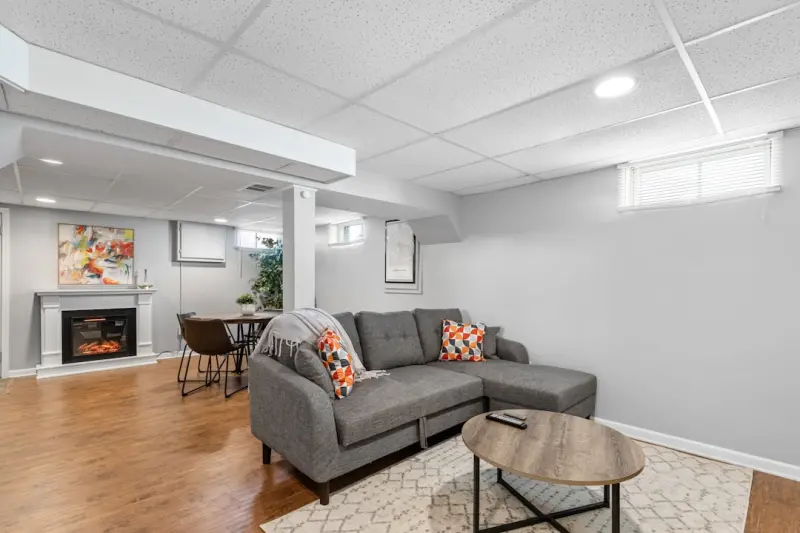
Transform Your Basement into a Year‑Round Wellness Hub
A fresh look at turning under‑used basements into vibrant, healthy spaces that support work, relax... Read More
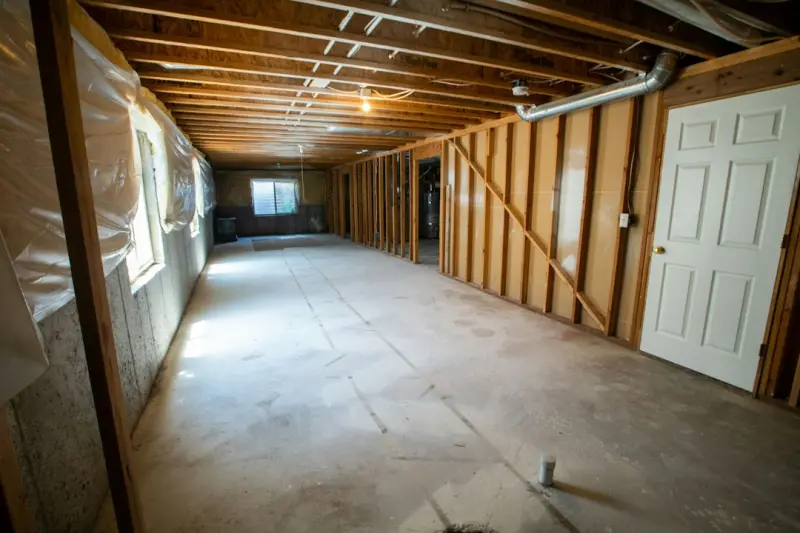
Future‑Proofing Your Basement: A Resilient Retreat for Storms and Smart Living
Discover a data‑driven, phased approach to waterproofing, intelligent walls, and adaptive design t... Read More
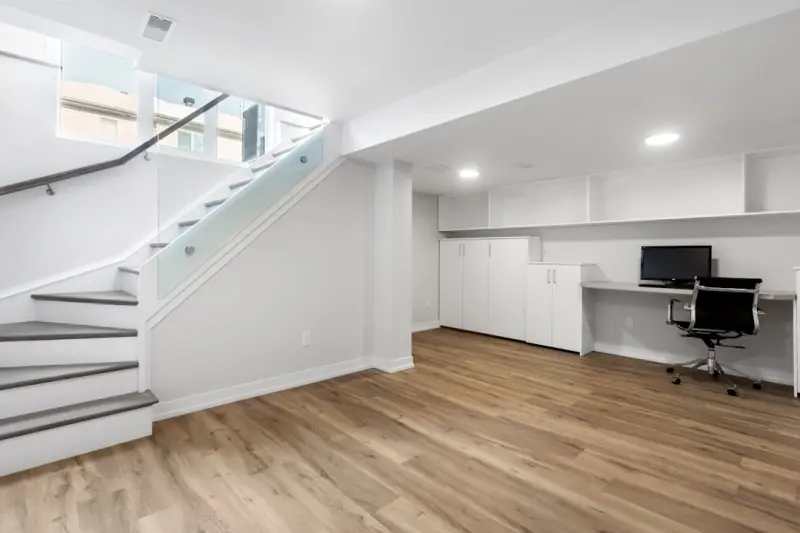
Turning Your Basement Into a Holistic Wellness Sanctuary
Learn step‑by‑step how to convert an underused basement into a holistic wellness retreat, coveri... Read More
Top Posts
Design‑Build Strategies for Adaptive Living Spaces
Learn the secrets to building homes that grow with you, from modular walls to multipurpose furnishings, ensuring your space stays functional and stylish through...Read More
Digital Twins: The New Frontier for Electrical Infrastructure
Digital twins turn electrical systems from opaque black boxes into transparent, predictive assets, enabling proactive maintenance, optimized load management, an...Read More
Turning Concrete into Calm: Biophilic Strategies for Commercial Renovations
Explore practical steps to embed biophilic design in commercial renovations, from living walls and daylight harvesting to technology‑driven flexibility, and s...Read More
Building with Integrity: How Traceable Materials are Shaping the Future of Home Construction
A deep dive into material traceability shows why knowing the origin, carbon impact, and end‑of‑life path of every building component is now essential for bu...Read More
0 Comments
Post Comment
You will need to Login or Register to comment on this post!