
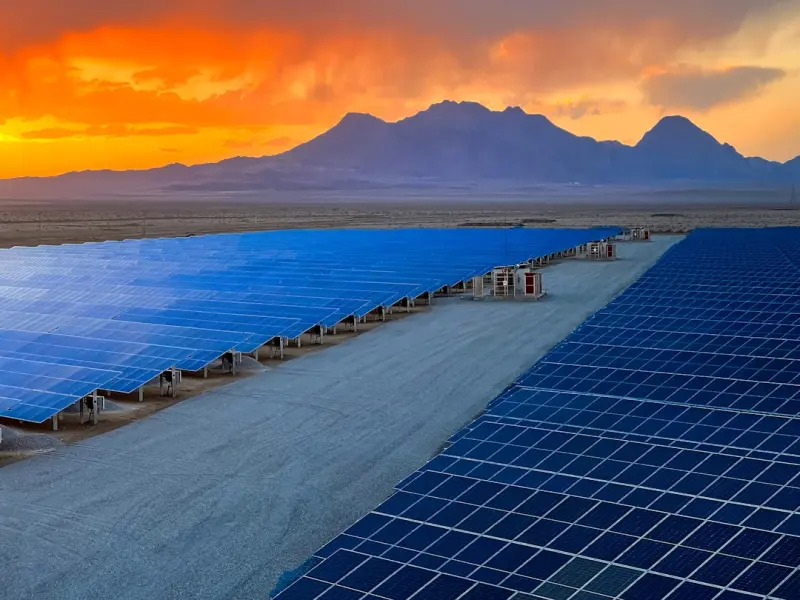
When the conversation around workplace sustainability still feels dominated by buzzwords, there’s a quiet revolution happening on the roof of every forward‑thinking office: solar‑powered edge computing. This isn’t about slapping a few photovoltaic panels on a building and calling it a day. It’s about weaving sunlight directly into the digital heartbeat of a company, turning the roof‑top into a data hub that trims energy bills, accelerates latency‑sensitive applications, and even reshapes corporate culture.
Why Edge Computing Needs Sunlight
Edge computing has risen to prominence because it brings processing power closer to the source of data—whether that’s a factory floor sensor, a retail POS terminal, or a conference‑room IoT hub. The closer the compute, the lower the latency, and the less bandwidth is wasted shuttling massive data streams to distant cloud farms.
But there’s a hidden cost: the edge nodes themselves consume power. Traditional deployments rely on the grid, which often means higher operational expenses (OpEx) and a carbon footprint that clashes with sustainability pledges. By feeding edge devices with clean, on‑site solar energy, organizations can decouple from grid volatility, lock in predictable energy costs, and dramatically shrink their carbon ledger.
Designing a Solar‑Edge Architecture
A successful solar‑edge deployment hinges on three pillars: hardware selection, energy management software, and building envelope synergy. Let’s break each down.
- Hardware selection: Choose rugged, low‑power edge servers that can operate efficiently under variable solar input. Modern systems with dynamic voltage scaling can throttle performance to match real‑time energy availability without compromising critical workloads.
- Energy management software: Implement an intelligent controller that monitors solar irradiance, battery state‑of‑charge, and workload demand. The software should prioritize high‑priority tasks when sunlight peaks and gracefully shift non‑essential processes to battery or grid backup during cloudy periods.
- Building envelope synergy: Solar panels aren’t isolated assets; they interact with the building’s thermal performance. Pairing panels with high‑performance insulation as a strategic lever reduces heating and cooling loads, freeing even more energy for compute tasks.
From Roof to Data Rack: The Physical Journey
The typical layout looks like this: a photovoltaic array spans the office roof, feeding a micro‑inverter bank that converts DC to AC. From there, a dedicated solar‑direct DC bus supplies a battery bank and the edge rack. The edge rack, often housed in a climate‑controlled enclosure on the same level as the panels, draws power directly from the DC bus, bypassing the inefficiencies of AC conversion.
Because the edge rack is colocated with the panels, heat generated by the compute modules can be reclaimed to warm the building envelope during colder months—a concept known as thermal symbiosis. This loop further enhances overall energy efficiency and reduces the need for separate heating solutions.
Strategic Benefits Beyond the Balance Sheet
While the financial upside of reduced electricity bills is evident, the strategic ripple effects are even more compelling.
- Resilience: Solar‑edge sites can operate autonomously during grid outages, ensuring mission‑critical applications stay online. This is a game‑changer for industries where downtime translates directly to revenue loss.
- Brand differentiation: Companies that showcase a tangible commitment to renewable tech often see a boost in talent attraction and customer perception. The visible solar array becomes a living advertisement of corporate responsibility.
- Data sovereignty: By processing data on‑site, firms keep sensitive information within physical boundaries, easing compliance with regulations like GDPR or HIPAA.
- Employee well‑being: A solar‑powered office sends a subtle, daily reminder that the organization cares about the planet, fostering a sense of purpose among staff.
Integrating Solar Canopies with the Workplace Landscape
Solar installations need not be monolithic slabs. Innovative hardscape integration for solar canopies can turn parking lots, courtyards, and walkways into functional energy generators. Imagine a covered parking structure where each column doubles as a solar panel, providing shade for vehicles while feeding power to nearby edge nodes that manage smart lighting, EV charging, and security analytics.
These dual‑purpose structures also open up new real‑estate value. By converting otherwise underutilized outdoor spaces into productive energy assets, companies can claim a competitive advantage in facility planning and cost allocation.
Case Study: A Mid‑Size Tech Firm’s Solar‑Edge Journey
Acme Innovations, a 250‑employee software developer, retrofitted its downtown office with a 150 kW solar array and a 30 kW edge compute cluster. Within six months, the firm reported:
- A 38% reduction in monthly electricity spend.
- Latency improvements of 22% for its AI‑driven code analysis tool, thanks to on‑site processing.
- Zero downtime during a regional grid failure, thanks to the battery‑backed solar‑edge system.
- Higher employee engagement scores, with many staff citing the visible solar panels as a source of pride.
The key to Acme’s success was a holistic approach: they didn’t treat the solar array as an afterthought. Instead, the project began with a cross‑functional task force that included facilities, IT, finance, and HR, ensuring that every stakeholder saw tangible value.
Overcoming Common Challenges
Deploying solar‑powered edge computing isn’t without hurdles. Below are the most frequent concerns and practical mitigations.
- Intermittent sunlight: Use high‑capacity lithium‑ion or flow batteries to store excess energy. Pair with a demand‑response algorithm that dynamically reallocates workloads based on real‑time power availability.
- Initial CAPEX: Leverage power‑purchase agreements (PPAs) or solar leasing models to spread costs over time. Many providers also offer “energy‑as‑a‑service” contracts that bundle hardware, installation, and maintenance.
- Regulatory compliance: Engage early with local utilities and zoning boards. Some jurisdictions provide incentives for renewable data center projects, which can offset permitting fees.
- Cooling requirements: Edge hardware can generate significant heat. Design enclosures with passive cooling aided by the roof’s shading effect, or integrate liquid cooling loops that double as heat exchangers for building HVAC.
Future Outlook: AI‑Driven Solar Edge Management
Artificial intelligence is set to become the brain behind solar‑edge ecosystems. Predictive models can forecast solar irradiance based on weather patterns, adjusting compute loads in advance. Machine‑learning algorithms can also optimize battery cycling to prolong lifespan while ensuring enough reserve power for peak demand periods.
In the not‑too‑distant future, we may see autonomous “energy‑first” schedulers that decide, in real time, which workloads run on solar, which shift to battery, and which fall back to the grid—all without human intervention. This level of automation will turn the solar‑edge node into a self‑sustaining micro‑grid, capable of scaling with the organization’s needs.
Getting Started: A Step‑by‑Step Playbook
For enterprises ready to explore this frontier, follow these practical steps:
- Audit current energy use: Map out existing power draws for all on‑site IT equipment. Identify high‑impact workloads that could migrate to edge nodes.
- Define performance goals: Establish latency, uptime, and sustainability metrics you want to achieve.
- Partner with a solar integrator: Choose a vendor experienced in commercial PV installations that also understand data center requirements.
- Prototype a pilot: Start with a single floor or department. Install a modest array and a small edge rack to validate the concept.
- Iterate and scale: Use data from the pilot to refine energy management algorithms, then expand the footprint across the campus.
Remember, the journey is as important as the destination. By involving cross‑functional teams early, you’ll uncover ancillary benefits—like improved indoor air quality from reduced HVAC loads or new revenue streams from selling excess solar power back to the grid.
Conclusion: Sunlight as a Strategic Business Asset
Solar‑powered edge computing transforms the humble rooftop into a strategic business lever, delivering cost savings, operational resilience, and a compelling sustainability narrative. It aligns the physical and digital layers of the workplace, proving that renewable energy isn’t just a back‑office initiative—it’s a core component of modern enterprise strategy.
As more organizations recognize the competitive edge that solar‑enabled edge computing delivers, the skyline will fill with gleaming arrays not just generating electricity, but also powering the data that drives tomorrow’s innovations.

William Roy is a freelance writer originally from Montreal who moved to Ottawa with his wife of 50 years to be closer to their grandkids. Alongside his writing, William has a passion for fishing.
Related Posts
Solar Energy as a Strategic Business Asset: From Grid Dependency to Autonomous Innovation
Solar is no longer just an ESG checkbox; it’s a powerful business engine. This post explores how c... Read More

Harvesting Sunlight at Scale: A Playbook for Energy‑Forward Enterprises
Solar is no longer a niche add‑on; it’s a strategic platform that can reduce costs, boost resili... Read More
Solar Energy: The Strategic Edge Your Business Isn’t Using
Solar is more than a green initiative; it’s a data‑rich, financially flexible, and brand‑ampli... Read More
Top Posts
Modular Electrical Architecture: Building a Scalable, Resilient Power Backbone
A deep dive into modular electrical architecture reveals how interchangeable, intelligent power modules can replace traditional breaker panels, enabling scalabl...Read More

Smart Bathrooms: Leveraging IoT and Data to Future‑Proof Your Renovation
Discover how to turn a standard bathroom remodel into a data‑driven, smart space that saves water, cuts energy costs, and enhances accessibility, all while ma...Read More

Fencing 2.0: Sustainable, Smart, and Stylish Boundaries
A deep dive into how fencing is evolving from a simple barrier into a sustainable, data‑driven design element that enhances security, aesthetics, and environm...Read More

Insulation Reimagined: Turning Walls into Smart, Sustainable Energy Guardians
Insulation is evolving from a passive thermal barrier to an active, data‑rich, and sustainable building component. Discover new materials, sensor integration,...Read More
0 Comments
Post Comment
You will need to Login or Register to comment on this post!