
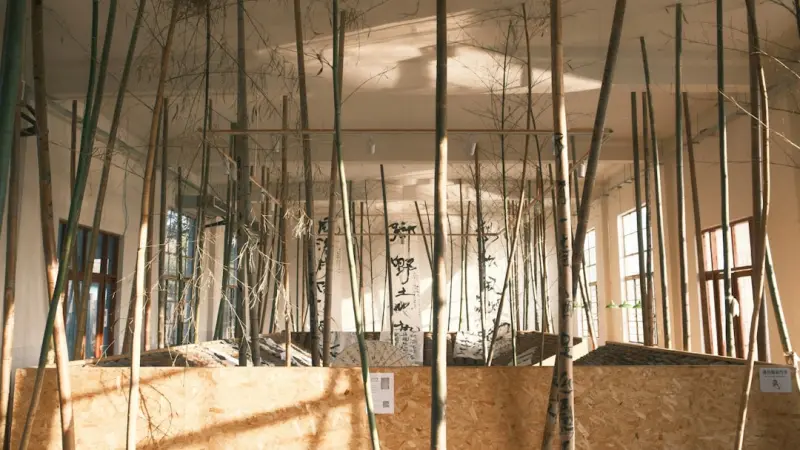
Why Sustainable Drywall Matters
In today’s construction landscape, the hidden environmental cost of traditional gypsum boards is finally getting the scrutiny it deserves, and homeowners who care about their carbon footprint are demanding alternatives that don’t sacrifice durability; this shift is not just a trend but a reflection of a deeper cultural move toward responsible building practices. Every square foot of drywall carries embedded energy, from mining the raw limestone to the energy‑intensive drying processes, and when we choose greener options, we cut that lifecycle impact dramatically, reducing both greenhouse gas emissions and the volume of waste that ends up in landfills. Moreover, the indoor air quality benefits of low‑VOC, recycled, or bio‑based panels are significant, especially for families with allergies or sensitivities, because these products emit far fewer harmful chemicals, creating living spaces that feel healthier from the moment the first nail is driven.
Choosing the Right Green Materials
When I scout for sustainable drywall, I start by looking at the board’s composition: recycled gypsum, paper‑free fibers, or even agricultural by‑products like wheat straw can serve as the backbone of a high‑performance panel, offering strength comparable to conventional sheets while slashing the embodied carbon; certifications such as GreenGuard or Cradle‑to‑Cradle provide a reliable shortcut to identify truly eco‑friendly options. The next factor is the adhesive and joint compound; low‑VOC, water‑based compounds not only protect the environment but also simplify cleanup, because they can be rinsed away with plain water rather than harsh solvents, which is a win for both the worker’s health and the site’s ecological footprint. Finally, I consider the supply chain—locally sourced materials cut transportation emissions, and manufacturers that operate on renewable energy add another layer of sustainability, turning a simple wall into a statement of conscientious design.
Low‑Impact Installation Techniques
Even the greenest board can lose its eco‑edge if installed with wasteful practices, so I advocate for precision cutting using digital layout tools that minimize off‑cuts; a well‑planned layout can reduce scrap by up to thirty percent, turning what would be landfill debris into reusable pieces for future projects. Fastening methods matter too: instead of heavy‑duty screws that require multiple pilot holes, I often opt for self‑drilling drywall clips that secure panels quickly while preserving the structural integrity of the board, and they leave a cleaner surface for finishing, reducing sanding time and dust generation. Finally, I encourage the use of dust‑controlled sanding systems and personal protective equipment that capture fine particles, because keeping the worksite clean not only protects the crew but also prevents microscopic gypsum dust from escaping into the surrounding environment, where it can contribute to air quality issues.
Finishing with Health‑Focused Practices
The finishing stage is where many contractors default to cheap, high‑VOC joint compounds, but I insist on low‑odor, zero‑VOC alternatives that maintain the same smooth finish while protecting indoor air; these compounds cure faster, allowing occupants to move back into the space sooner, which is especially valuable in renovation timelines that aim to minimize disruption. When it comes to sanding, using a vacuum‑mounted sander equipped with HEPA filtration captures the majority of fine dust, and pairing that with a misting system can further suppress airborne particles, creating a healthier environment for both workers and future residents. In addition, I recommend applying a thin, water‑based sealer that locks in any residual emissions and provides a moisture barrier, extending the wall’s lifespan and preventing mold growth—an essential consideration in humid climates where wall integrity can be compromised quickly.
Integrating Color and Texture Without Compromise
One of the most rewarding aspects of sustainable drywall is the creative freedom it still offers; you can achieve bold hues and tactile finishes without reverting to toxic paints, because many low‑VOC, mineral‑based paints adhere perfectly to eco‑friendly panels, delivering vibrant color while preserving the wall’s breathability. For texture lovers, I often incorporate subtle stipple rollers or reclaimed wood veneer panels that add depth without adding layers of chemical finishers, and the result is a wall that feels both organic and refined. If you need inspiration on how color can transform a space while staying green, check out Transform Your Home with Color, which showcases real‑world examples of sustainable palettes that make a room pop without compromising health.
Smart Insulation and Acoustic Benefits
Modern sustainable drywall isn’t just about the surface; many green boards now incorporate built‑in insulation layers made from recycled denim or cellulose, delivering superior thermal performance that reduces heating and cooling loads, which translates into lower utility bills and a smaller carbon footprint over the building’s life. Acoustic performance also improves, as the porous nature of these eco‑friendly cores absorbs sound more effectively than traditional gypsum, creating quieter interiors that are especially valuable in open‑plan homes or multi‑unit buildings. To explore how these acoustic advantages complement other advanced building materials, see The Untapped Power of Modern Plaster, where the synergy between sound‑absorbing walls and modern design is examined in depth.
Maintenance for Longevity and Minimal Waste
Choosing sustainable drywall is only half the battle; maintaining it correctly ensures the environmental investment pays off over decades, and that starts with gentle cleaning—avoiding abrasive scrubs that can damage the surface and expose the core to moisture, which could otherwise lead to warping or mold. When repairs are needed, I prefer to use matching low‑VOC joint compounds and the same brand of board to avoid material incompatibility, and small patches can be sanded down to blend seamlessly, eliminating the need for full‑wall replacement. Moreover, by documenting the wall’s specifications and storing a digital copy of the product data sheet, future owners can make informed decisions about refurbishing or recycling, turning a single wall into a model of circular economy principles.
Case Study: A Renovation That Went Green
Last spring I consulted on a historic townhouse conversion where the client demanded a carbon‑neutral approach without sacrificing the building’s character; we selected a reclaimed‑gypsum board sourced from a regional manufacturer that uses renewable energy, paired with a low‑VOC, plant‑based joint compound, and installed the panels using our precision‑cut layout method, resulting in less than five percent waste. The walls were finished with a water‑based, mineral pigment paint in a muted sage that complemented the original hardwood floors, and a thin layer of breathable sealant protected the historic plaster behind the new drywall, preserving its acoustic charm. Post‑occupancy testing showed a 20% reduction in indoor VOC levels and a measurable improvement in thermal comfort, proving that eco‑conscious decisions can enhance both health and heritage.
Future Trends: Bio‑Based Boards and Circular Economy
Looking ahead, the drywall industry is poised to embrace bio‑based boards derived from mycelium, hemp, or even algae, materials that not only sequester carbon during growth but also biodegrade at the end of their useful life, closing the loop in a true circular economy; these innovations promise panels that match or exceed the strength of traditional gypsum while offering natural fire resistance and moisture regulation. Alongside material breakthroughs, digital fabrication tools like CNC routers and AI‑driven layout software will make waste‑free installation the norm, enabling builders to optimize every cut and reduce on‑site debris to a near‑zero level. As these technologies mature, homeowners will have access to walls that are not just structures but living, breathing components of a sustainable home ecosystem, redefining what it means to build responsibly.

When it comes to the world of blogging and writing, Rose DesRochers is a name that stands out. Her passion for creating quality content and connecting with her audience has made her a trusted voice in the industry. Aside from her skills as a writer and blogger, Rose is also known for her compassionate nature.
Related Posts
Elevating Drywall: Integrating Sensors and Sustainable Materials for Modern Buildings
This article explores how drywall can evolve beyond a simple finish by embedding sensors and using s... Read More
Beyond the Board: Mastering Sustainable Drywall Techniques
Learn how to choose, install, and maintain sustainable drywall, integrating smart wiring and eco‑f... Read More
Drywalling Secrets: Sustainable Strategies Every Renovator Should Know
Learn how smart drywall choices, low‑VOC materials, and efficient installation techniques create s... Read More
Top Posts
A Human‑Centric Renovation Checklist for the Hybrid Workplace
Discover a fresh renovation checklist that balances employee wellbeing, sustainability, and business goals, guiding you through every phase from experience audi...Read More
Transforming Your Home with Sustainable and Innovative Additions
Explore the world of sustainable home additions and learn how to create a dream home that meets your needs and exceeds your expectations. From solar energy to s...Read More
The Art of Woodworking: A Comprehensive Guide to Creating Beautiful Pieces
Woodworking is a timeless craft that involves creating beautiful and functional pieces of furniture, decorations, and other items from wood. Learn the basics, t...Read More
Smart Fencing: Merging Design, Sustainability, and IoT for the Modern Home
Explore the rise of intelligent fencing that blends eco‑friendly materials, sleek design, and IoT tech, turning a simple boundary into a smart, sustainable ho...Read More
0 Comments
Post Comment
You will need to Login or Register to comment on this post!