
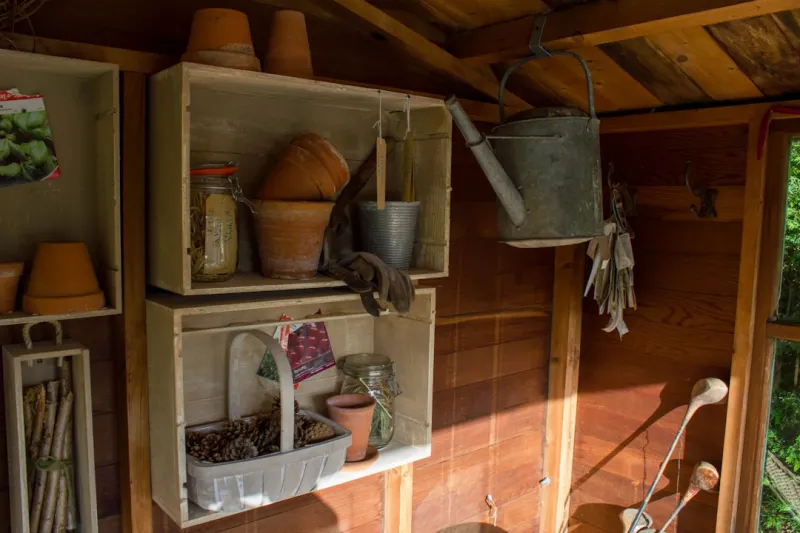
Why Sheds and Gazebos Are the New Backyard Icons
When I first pulled a modest kit out of my garage and began assembling a tiny wooden shed, I never imagined it would become the centerpiece of my outdoor living philosophy. The humble shed has morphed into a multi‑purpose sanctuary that blends storage, work space, and quiet retreat, all while echoing the larger trend toward sustainable, smart home ecosystems. Homeowners today crave structures that do more than just protect tools; they want an extension of their interior design values, a place where technology, eco‑friendly materials, and personal style converge under the open sky. This shift is why sheds and gazebos are popping up in design magazines, Instagram feeds, and neighborhood DIY workshops—because they embody a tangible, affordable way to bring smart, sustainable living outdoors.
Choosing Materials That Speak Sustainability
My next project involved swapping out the original pine panels for reclaimed cedar and insulated wall panels, a decision that instantly raised the structure’s environmental credentials. Reclaimed wood not only reduces demand for fresh timber but also adds character through weathered grain patterns that tell a story of previous lives. Pairing that with high‑performance insulation creates a micro‑climate that stays cooler in summer and retains warmth in winter, effectively turning a simple gazebo into a year‑round haven. I found that sourcing materials locally cuts transportation emissions, and many suppliers now offer certifications that verify low VOC emissions and sustainable harvest practices. Smart material choices like these also lay the groundwork for integrating solar lighting, automated vents, and even low‑power climate controls without compromising the building’s green footprint.
Integrating Smart Tech Without Overcomplicating
One of the most rewarding aspects of my shed renovation was discovering how seamlessly modern tech can be woven into a rustic shell. I installed a Wi‑Fi enabled thermostat that communicates with a solar‑powered battery pack, allowing me to set temperature thresholds from my phone while the system draws power only when the sun is shining. Motion‑sensing LED strips line the interior ceiling, providing soft illumination that activates only when I step inside, conserving energy during daylight hours. For security, a discreet camera with AI‑driven motion alerts feeds directly to my smartphone, giving peace of mind without the eyesore of a traditional security system. By keeping the tech modular and low‑profile, I maintain the aesthetic charm of the gazebo while reaping the convenience of a truly connected outdoor space.
Designing for Function and Aesthetics
Every square foot of a shed or gazebo should serve a purpose, and that purpose can be both practical and beautiful. I began by mapping out zones: a workbench corner for woodworking, a cozy nook with a hammock for reading, and a small herb garden tucked against one wall. To keep the layout fluid, I used foldable shelving and built‑in benches that double as storage lockers. The visual flow was enhanced by a natural color palette—soft greens, warm earth tones, and the natural hue of the reclaimed wood—creating a seamless transition from the house interior to the outdoor structure. For inspiration, I referenced the principles outlined in Designing a Sustainable Smart Sanctuary: Trends That Transform Your Home, which emphasizes the harmony between indoor comfort and outdoor serenity. By treating the gazebo as an extension of the home rather than a separate outbuilding, I achieved a cohesive aesthetic that invites both productivity and relaxation.
Unlocking the Hidden Power of Insulation
Insulation is often the unsung hero of any sustainable structure, and my gazebo is no exception. I opted for rigid foam panels with a high R‑value, sandwiched between the interior drywall and exterior siding, creating a thermal barrier that dramatically reduces heat loss. This decision not only improved comfort but also cut down on the energy needed to run my small heater during cooler evenings. The added benefit was noise reduction; the insulated walls muffled the hum of nearby traffic, turning the space into a quiet retreat. For those curious about the science behind this upgrade, the article Unlocking the Hidden Power of Insulation for a Smarter, Sustainable Home breaks down how proper insulation can transform any building into an energy‑efficient haven, whether it’s a skyscraper or a backyard gazebo.
Weather‑Proofing with Smart Awnings
Living in an area with unpredictable weather taught me the value of a well‑designed awning. I installed a retractable, solar‑powered awning that automatically extends when rain sensors detect moisture, shielding the interior from sudden downpours while allowing sunlight to filter through on clear days. The fabric is coated with a reflective finish that reduces heat gain, keeping the interior cooler during hot afternoons and extending the lifespan of the wood beneath. This smart solution aligns perfectly with the concepts discussed in The Secret Power of Awnings: Turning Your Patio into a Sustainable Sanctuary, where the author highlights how automated shading can boost energy efficiency and enhance comfort without manual intervention. By integrating weather‑responsive features, the gazebo becomes a resilient, adaptable space that welcomes you rain or shine.
DIY Upgrades: Turning Everyday Fixes Into Sustainable Wins
One of the most satisfying parts of my journey was discovering that many upgrades don’t require a professional contractor, just a willingness to learn and a few smart tools. Replacing standard glass doors with double‑glazed, low‑emissivity panels cut heat transfer by nearly 30 %, while a simple caulking routine sealed gaps that previously let drafts creep in. I also added reclaimed pallet wood shelving, treating it with a natural, water‑based sealant that’s both non‑toxic and durable. These hands‑on projects echo the spirit of DIY Home Repairs: Turning Everyday Fixes into Sustainable Wins, reminding us that small, intentional actions accumulate into substantial environmental impact. The sense of ownership that comes from building and maintaining your own shed or gazebo amplifies the joy of living sustainably.
Future‑Proofing Your Outdoor Sanctuary
Looking ahead, I see sheds and gazebos evolving into hubs for micro‑mobility, vertical gardening, and even tiny‑home extensions. By installing a modular electrical conduit now, I can later add electric vehicle charging stations or a compact hydroponic system without tearing down walls. The key is to design with flexibility in mind—think removable panels, adjustable lighting, and scalable storage solutions that can adapt as needs change. As smart home ecosystems become more integrated, your gazebo can communicate with the main house, adjusting lighting, temperature, and security settings automatically. This forward‑thinking approach ensures that the structure remains relevant, functional, and environmentally responsible for years to come, turning a simple backyard addition into a lasting legacy of sustainable living.

Lifan Chen is a freelancer based in Toronto specializing in marketing. With expertise in crafting effective marketing strategies and campaigns, Lifan helps businesses grow their brand presence and reach target audiences. As a Toronto-based freelancer, Lifan combines local market insights with creative marketing skills to deliver tailored solutions for clients.
Related Posts
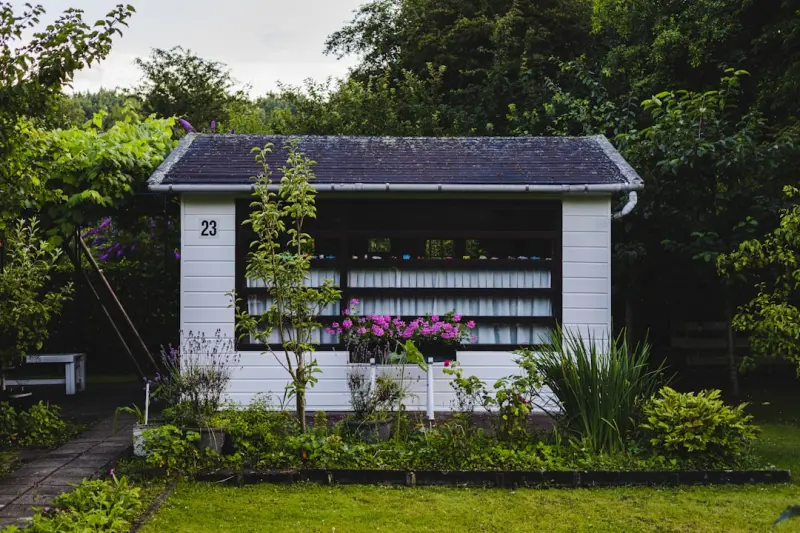
Backyard Sheds & Gazebos: From Storage to Lifestyle Hubs
Explore practical upgrades, sustainable materials, and smart tech that turn ordinary backyard sheds ... Read More

From Storage to Sanctuary: Reimagining Your Backyard Shed
Explore fresh ideas to transform an ordinary shed into a functional, inviting space—whether a home... Read More
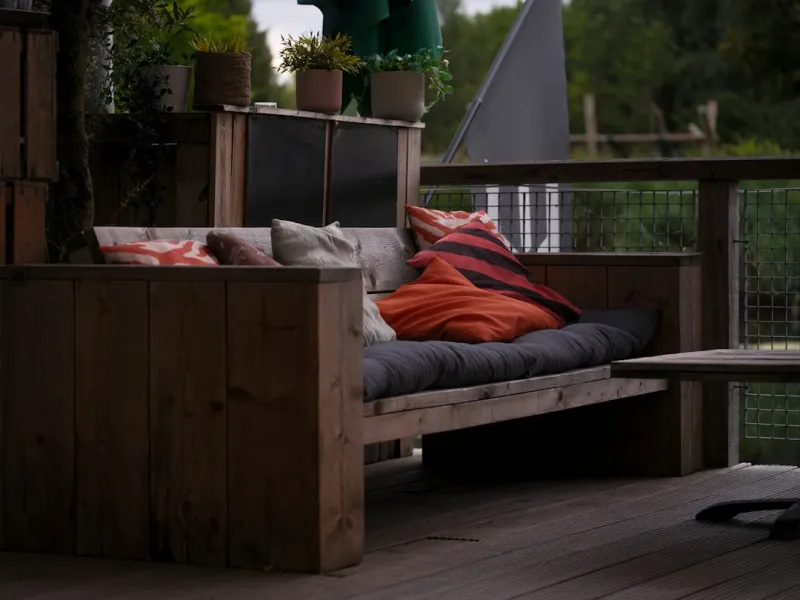
Enhancing Your Outdoor Space: The Ultimate Guide to Sheds and Gazebos
Sheds and gazebos can enhance your outdoor space, providing functionality, beauty, and value. Learn ... Read More
Top Posts

Mastering Modern Drywall: From Sustainable Boards to Acoustic Perfection
Learn how to choose eco‑friendly drywall, integrate acoustic solutions, and future‑proof walls with smart wiring—all from a seasoned pro’s perspective....Read More
Concrete’s Second Act: Green, Resilient, and Ready for Tomorrow
Concrete is undergoing a quiet revolution—low‑carbon cements, recycled aggregates, 3D printing, and self‑healing technologies are reshaping its role in su...Read More
Handyman Hacks: Sustainable Fixes Every Homeowner Should Know
Learn how a modern handyman blends green tools, smart techniques, and transparent communication to deliver lasting, eco‑friendly home fixes that delight clien...Read More

Biophilic Sunrooms: Designing Nature‑Infused Spaces for Health and Creativity
Sunrooms can become powerful biophilic sanctuaries by integrating natural light, fresh air, sustainable materials, and indoor plants, delivering measurable heal...Read More
0 Comments
Post Comment
You will need to Login or Register to comment on this post!