

Why Home Painting Is More Than Just A Makeover
When I first picked up a paintbrush for my own living room, I quickly realized that a fresh coat of color does more than please the eye—it reshapes the energy flow, protects the walls, and even influences the carbon footprint of the home. Painting can be a gateway to a greener lifestyle, especially when you view each brushstroke as a strategic decision rather than a cosmetic afterthought. As a homeowner who loves experimenting with hues while staying mindful of sustainability, I’ve learned that the right approach to painting can elevate comfort, curb long‑term maintenance costs, and align with broader eco‑goals.
Selecting Eco‑Friendly Paints That Perform
The market is flooded with paint options, but not all are created equal; low‑VOC (volatile organic compounds) and zero‑VOC formulations have become the gold standard for indoor air quality and environmental impact. Brands now offer water‑based paints that deliver the same coverage and durability as traditional oil‑based options without releasing harmful fumes, making them ideal for families, pets, and the planet alike. By choosing paints certified by reputable green programs, you ensure that pigments, binders, and additives meet strict sustainability criteria, providing a finish that looks vibrant while keeping your home’s indoor environment safe.
Preparing Surfaces the Sustainable Way
Before any color can truly shine, the walls must be clean, smooth, and ready to accept the new layer, and this preparation stage is where many overlook potential green savings. Using natural, biodegradable cleaners to strip dust and grime not only protects the paint’s adhesion but also reduces chemical runoff—a principle explored in depth in Sustainable Property Maintenance. Follow a simple three‑step routine: sweep and vacuum, wash with a citrus‑based solution, and lightly sand with reclaimed sandpaper to create a uniform surface without generating excess waste.
Color Choices That Boost Energy Efficiency
Beyond aesthetics, the hue you select can affect your home’s heating and cooling demands; lighter shades reflect more sunlight, reducing heat absorption in summer, while darker tones can help retain warmth during cooler months. This subtle thermodynamic effect translates into measurable energy savings, especially in rooms with large windows or limited insulation. Pairing strategic color placement with proper window treatments creates a harmonious balance, letting you harness natural light while minimizing reliance on artificial heating or cooling systems.
Application Techniques to Minimize Waste
Applying paint efficiently not only saves money but also cuts down on material waste—an essential consideration for any eco‑conscious remodel. Opt for high‑quality synthetic brushes that hold more paint per stroke, and use a roller with a medium‑nap cover to achieve even coverage with fewer passes; this reduces the amount of leftover paint that often ends up in landfills. When cutting in around edges, a small angled brush allows for precise control, preventing splatters and the need for extensive touch‑ups later on.
DIY vs. Professional: When Handyman Hacks Shine
Many homeowners, myself included, love the satisfaction of tackling painting projects solo, but knowing when to call a professional can preserve both your budget and the planet’s resources. Simple “handyman hacks” such as reusing old paint trays, taping off sections with reusable painter’s tape, and mixing leftover paint to create custom shades can extend the life of materials and lower overall consumption. For more complex jobs—like textured ceilings or exterior trims—hiring a contractor who follows the guidelines in Handyman Hacks: Sustainable Fixes That Save Money and the Planet ensures the work is done right the first time, avoiding costly re‑paints and associated waste.
Integrating Painting With Whole‑Home Sustainability
Painting should not exist in a vacuum; it’s most effective when integrated into a broader strategy of home restoration and green upgrades. For instance, after refreshing your walls, consider sealing gaps and improving insulation to lock in the benefits of your new color palette’s thermal properties—a tactic highlighted in Sustainable Home Restoration. By coordinating paint choices with upgrades like energy‑efficient windows, low‑flow fixtures, and smart thermostats, you create a synergistic effect that amplifies comfort while dramatically shrinking your carbon footprint.
Maintaining Your Paint for Longevity
Even the best paints will fade or chip if they’re not cared for, so establishing a routine maintenance plan is key to preserving both aesthetics and sustainability gains. Dust walls weekly with a microfiber cloth, spot‑clean stains using a mild soap solution, and schedule an annual touch‑up of high‑traffic areas to prevent small blemishes from expanding. These modest habits extend the life of the paint job, meaning you won’t need to repaint as often—a win for your wallet and the environment.
Final Thoughts: Painting With Purpose
In my journey from a casual weekend painter to a deliberate steward of my home’s health, I’ve discovered that each decision—from selecting low‑VOC pigments to mastering waste‑reduction techniques—adds up to a profound impact on sustainability. By embracing eco‑friendly products, preparing surfaces responsibly, and viewing paint as part of an integrated home‑improvement plan, you can transform any room into a vibrant, healthy space that honors the planet. So grab that brush, choose a color that inspires you, and paint with purpose—your home, your family, and the Earth will thank you.

Lifan Chen is a freelancer based in Toronto specializing in marketing. With expertise in crafting effective marketing strategies and campaigns, Lifan helps businesses grow their brand presence and reach target audiences. As a Toronto-based freelancer, Lifan combines local market insights with creative marketing skills to deliver tailored solutions for clients.
Related Posts
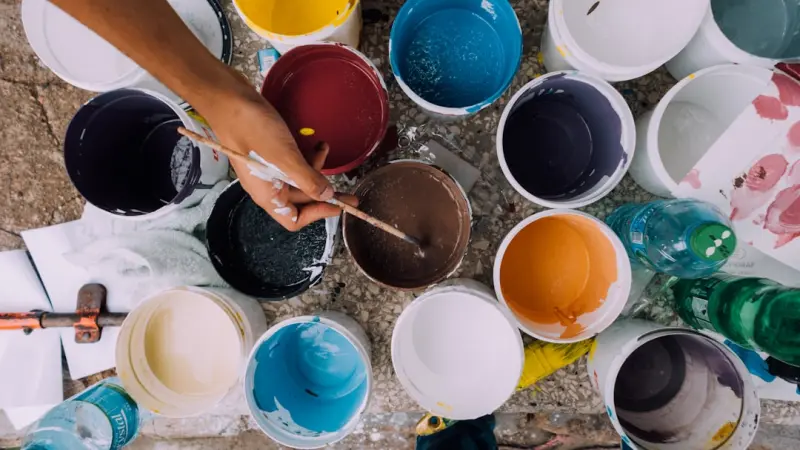
Beyond the Brush: Sustainable Painting Strategies for a Healthier Home
A detailed guide to choosing low‑VOC, responsibly sourced paints, mastering eco‑friendly prep an... Read More

The Impact of Sustainable Practices on Home Painting
Sustainable home painting practices offer a range of benefits, from improved indoor air quality to c... Read More
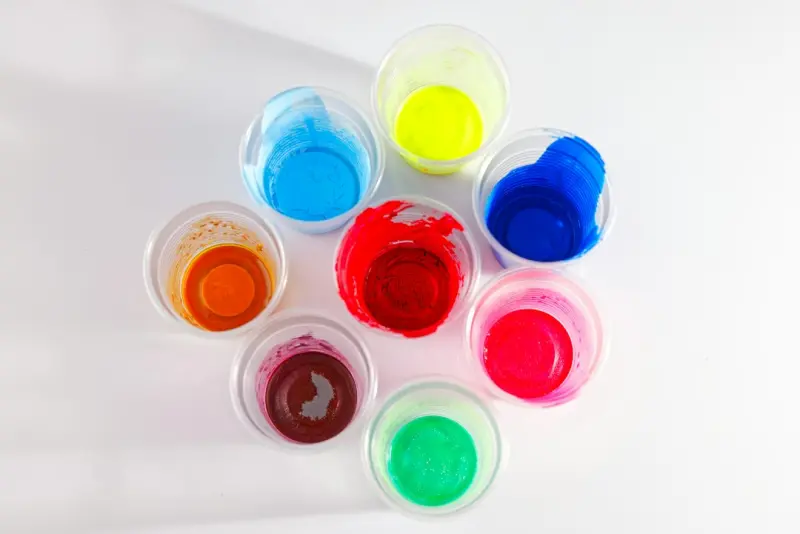
The Hidden Power of Paint: How Color Science Boosts Business Spaces
Paint isn’t just decoration—it’s a strategic tool. Learn how low‑VOC, smart paint, and color... Read More
Top Posts

Waterproofing as a Strategic Asset: Data‑Driven Protection for Modern Facilities
Explore how integrating moisture sensors, AI analytics, and modular barrier systems transforms waterproofing from a reactive task into a proactive, revenue‑pr...Read More
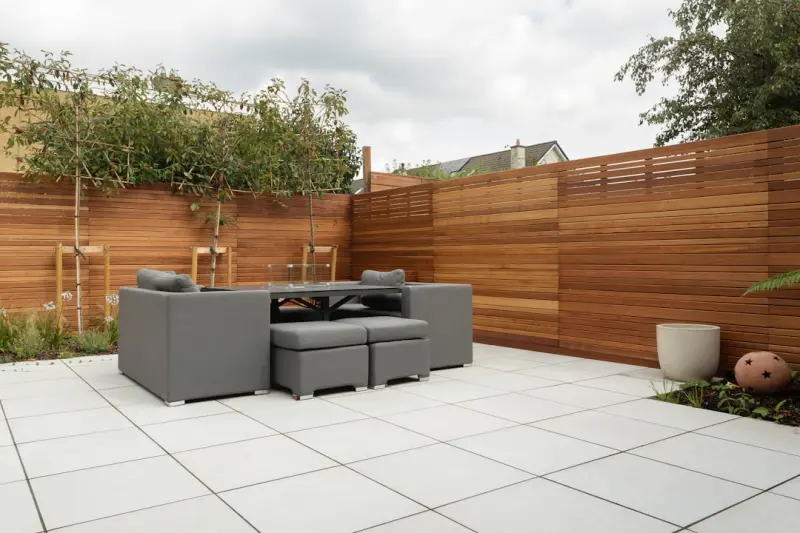
Shade and Style: Transforming Outdoor Spaces with Smart Awnings
Explore the art of selecting, installing, and maintaining smart awnings that blend style, sustainability, and technology for a year‑round outdoor haven....Read More
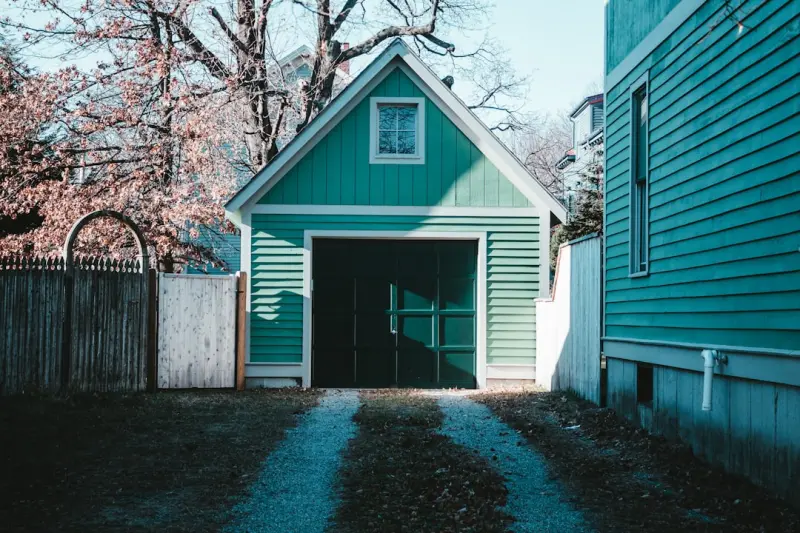
Reimagining the Garage: From Car Shelter to Home Power Hub
Discover practical steps to upgrade your garage into a versatile space that supports electric‑vehicle charging, home office work, and a resilient workshop, al...Read More
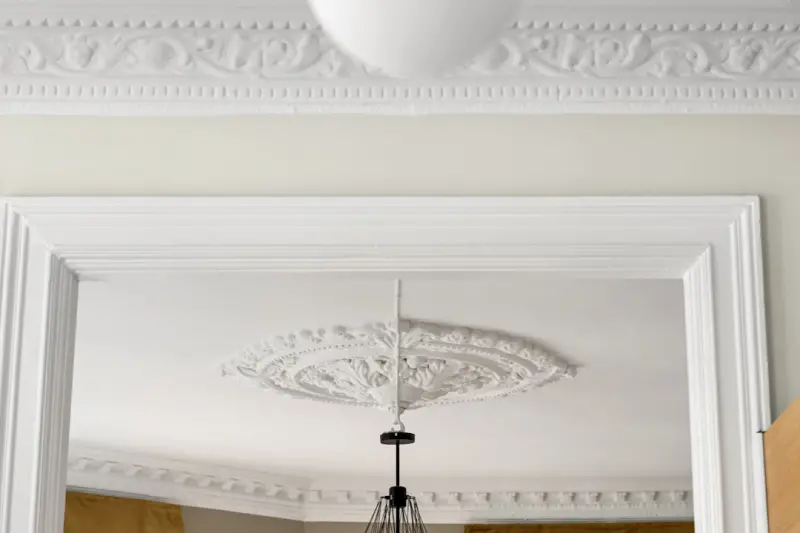
Reviving Classic Crown Molding: A Modern Homeowner’s Restoration Guide
Learn to breathe new life into historic crown molding using practical cleaning, repair, and finish techniques that blend classic charm with modern sustainabilit...Read More
0 Comments
Post Comment
You will need to Login or Register to comment on this post!