
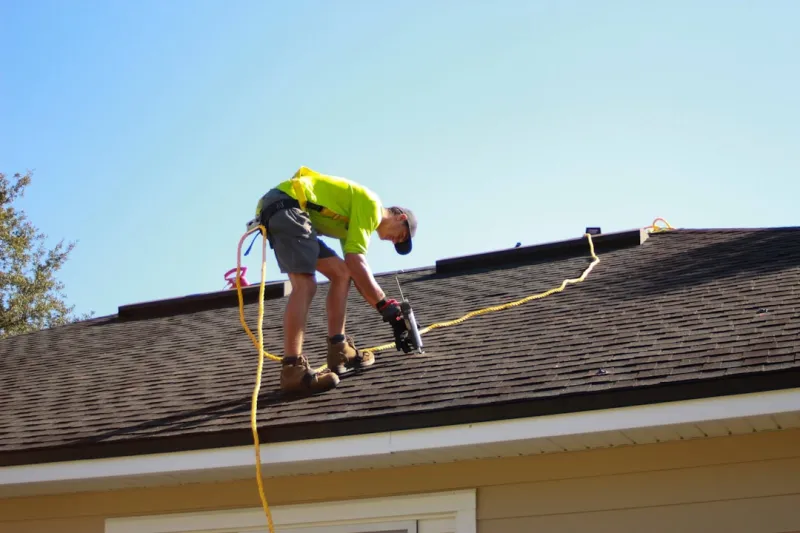
Why Sustainable Property Maintenance Matters
When I first started juggling landlord duties and a growing family, I quickly realized that every nail hammered and every pipe tightened rippled far beyond the immediate repair – they echo in my utility bills, my carbon footprint, and the long‑term health of the home I cherish. Eco‑conscious upkeep isn’t a trendy buzzword for me; it’s a strategic approach that transforms routine chores into opportunities for savings, resilience, and a quieter conscience, especially when you consider how much energy leaks through a poorly sealed window or how a single clogged gutter can invite costly water damage that could have been avoided with a proactive eye. By treating maintenance as a series of intentional, sustainable actions, I’ve watched my property’s value climb while the environmental impact shrinks, proving that stewardship and profitability can walk hand‑in‑hand without sacrificing comfort or aesthetic appeal.
One of the most eye‑opening lessons came from a simple energy inspection that revealed a handful of drafty spots masquerading as harmless cracks, yet they were siphoning heat in winter and inviting humid air in summer, inflating HVAC loads and driving up emissions; this revelation spurred me to adopt a habit of regular, data‑driven check‑ups that feel less like chores and more like detective work, where each seal or insulation upgrade is a clue solved. The payoff has been tangible: not only have my monthly energy statements shown a steady decline, but the reduced strain on heating and cooling systems has also extended their lifespan, cutting replacement costs and minimizing landfill waste. This cycle of observation, action, and reward underscores why integrating sustainability into property maintenance isn’t just ethical—it’s financially savvy.
Moreover, sustainable maintenance cultivates a sense of community pride that radiates beyond my property line; neighbors notice the gleaming, well‑kept exteriors and the subtle hum of efficient systems, prompting conversations that spark collective upgrades and shared resources, such as bulk‑purchased eco‑friendly sealants or a neighborhood tool‑sharing library. These collaborations amplify individual efforts, turning solitary improvements into a neighborhood movement that lowers collective carbon output and creates a supportive network for future projects. In my experience, the social ripple effect of green maintenance can be just as valuable as the direct cost savings, fostering a culture where responsible stewardship becomes the norm rather than the exception.
Practical Green Fixes for Everyday Maintenance
Every homeowner can start with a handful of high‑impact, low‑effort tweaks that deliver immediate sustainability dividends, and I’ve built a cheat sheet of my go‑to fixes that blend practicality with planet‑positive outcomes. First, swapping out traditional caulking with low‑VOC, mold‑resistant alternatives seals gaps around windows and doors, slashing heat loss while safeguarding indoor air quality; pairing this with a quick brush‑stroke of weatherstripping on movable panels adds an extra layer of protection against drafts. Second, installing smart thermostats calibrated to occupancy patterns ensures heating and cooling only fire up when needed, trimming unnecessary energy draw and providing remote monitoring that alerts me to anomalies before they become costly breakdowns.
When it comes to water conservation, a simple yet profound habit is retrofitting fixtures with low‑flow aerators and dual‑flush toilets; these devices shave gallons off daily usage without compromising performance, translating to lower utility bills and reduced strain on municipal water supplies. I also schedule seasonal inspections of irrigation systems, adjusting timers and fixing leaks that can waste dozens of gallons per hour—a practice that not only preserves water but also keeps my landscaping lush and vibrant. For those tackling larger projects, I recommend diving into the resource‑rich guide Handyman Hacks: Sustainable Fixes That Save Money and the Planet, which offers step‑by‑step instructions for green upgrades ranging from reclaimed wood decks to solar‑ready lighting solutions.
Beyond the physical upgrades, I’ve discovered that mindset shifts play a pivotal role in sustaining these practices; treating every maintenance task as a chance to evaluate material choices, longevity, and environmental impact creates a habit loop that fuels continuous improvement. For instance, before ordering replacement tiles, I now assess the embodied carbon of ceramic versus recycled glass options, opting for the latter when durability aligns with design goals. This intentional decision‑making process not only reduces waste but also encourages suppliers to offer greener alternatives, nudging the entire market toward more responsible production. Over time, these small, thoughtful choices accumulate into a comprehensive, low‑impact maintenance regimen that protects both the property and the planet.
Long‑Term Planning: Roofing, Restoration, and Energy
Looking ahead, I’ve learned that the most rewarding property maintenance projects are those that blend durability with ecological foresight, and the roof is the crown jewel of this strategy; a well‑designed, eco‑smart roof can harvest rainwater, reflect solar heat, and serve as a platform for future solar panels, turning a traditionally passive element into an active energy partner. To that end, I explored the innovations highlighted in The Future of Roofing: Eco‑Smart Solutions for Modern Homes, which illuminated options like recycled metal shingles and cool‑roof membranes that slash indoor cooling loads while standing up to harsh weather. Investing in these materials upfront may carry a higher price tag, but the payoff manifests in lower energy consumption, extended roof lifespan, and a markedly reduced carbon footprint over decades.
When an older home needs a facelift, I treat restoration as an opportunity to embed sustainability at its core, drawing inspiration from the comprehensive approach detailed in Sustainable Home Restoration: Turning Old Spaces into Green Havens. This means salvaging original woodwork whenever possible, selecting reclaimed or rapidly renewable materials for new elements, and integrating high‑performance insulation that meets modern standards without compromising historic character. By marrying preservation with green technology, I’ve managed to breathe new life into creaky floorboards and vintage façades while achieving energy efficiencies that rival brand‑new constructions, thereby honoring the home’s story and future‑proofing its performance.
Finally, I’ve woven energy audits and smart monitoring into my long‑term maintenance calendar, ensuring that every upgrade is validated against real‑world performance data; this proactive stance catches inefficiencies early, allowing me to fine‑tune HVAC systems, adjust lighting schedules, and even retrofit older appliances with smart plugs that power down during idle periods. The cumulative effect of these measures is a property that not only runs smoother and costs less to maintain but also contributes positively to broader climate goals, proving that diligent, sustainable maintenance is the most reliable pathway to a resilient, thriving home.

Kelly Reynolds is a dynamic freelance writer hailing from the picturesque landscapes of Alberta. A master of the written word, she juggles her passion for storytelling with the exhilarating chaos of being a mother to five spirited children. With an impressive portfolio that spans various genres, Kelly captivates readers through her engaging blog posts and thought-provoking articles.
Related Posts

Drone‑Powered Property Maintenance: Seeing What You’ve Been Missing
Drones are redefining property maintenance by delivering fast, safe, and data‑rich inspections tha... Read More

Predictive Property Maintenance: Turning Data Into Dollars
Predictive maintenance transforms property upkeep from a cost center into a profit driver. Learn pra... Read More
Effective Property Maintenance: The Key to Preserving Your Investment
Regular property maintenance is crucial to preserving your investment. Learn effective tips and stra... Read More
Top Posts
Concrete’s Quiet Revolution: From Monolithic Gray to Adaptive Urban Skin
Concrete can do more than hold up buildings; by embedding sensors, self‑healing bacteria, photovoltaics, and biophilic designs, it becomes an active, sustaina...Read More
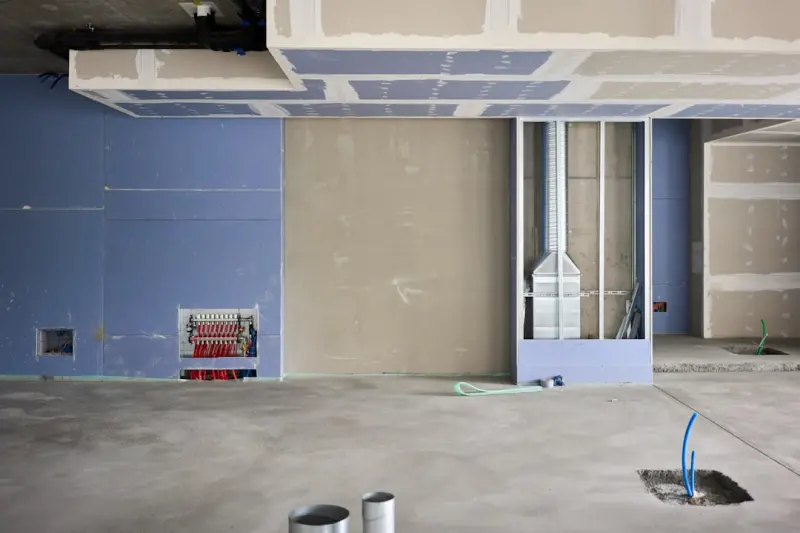
Beyond the Board: Mastering Sustainable Drywall Techniques
Learn how to choose, install, and maintain sustainable drywall, integrating smart wiring and eco‑friendly finishes for healthier, long‑lasting interiors....Read More

Reimagining the Bathroom: Sustainable, Smart, and Inclusive Design
Discover how to create a bathroom that balances sustainability, intelligent technology, and inclusive design, delivering lasting value and everyday comfort....Read More

Mastering Home Surge Protection and Power Quality for a Safer, More Efficient House
Learn why surge protection matters, how to choose and install the right device, and integrate monitoring and renewable energy safeguards for a resilient home el...Read More
0 Comments
Post Comment
You will need to Login or Register to comment on this post!