

Embracing Sustainable Electrical Solutions for a Greener Future
As the world becomes increasingly aware of the importance of sustainability, various industries are shifting towards eco-friendly practices. The electrical industry is no exception, with a growing emphasis on sustainable electrical solutions. In this article, we will explore the current state of sustainable electrical solutions, their benefits, and how they can contribute to a greener future.
Sustainable electrical solutions encompass a wide range of practices and technologies aimed at reducing the environmental impact of electrical systems. This includes the use of renewable energy sources, energy-efficient appliances, and sustainable materials in electrical infrastructure. By adopting these solutions, individuals and businesses can significantly reduce their carbon footprint and contribute to a more sustainable future. Energy efficiency is a critical aspect of sustainable electrical solutions, and it can be achieved through various means, including the use of LED lighting, smart home devices, and energy-efficient appliances.
The Role of Renewable Energy Sources
Renewable energy sources, such as solar and wind power, play a vital role in sustainable electrical solutions. These sources offer a clean and sustainable alternative to traditional fossil fuels, reducing greenhouse gas emissions and mitigating climate change. The integration of renewable energy sources into electrical systems can be achieved through various technologies, including solar panels, wind turbines, and energy storage systems. For instance, homeowners can install solar panels on their rooftops to generate electricity and reduce their reliance on the grid.
Energy-Efficient Appliances and Lighting
Energy-efficient appliances and lighting are essential components of sustainable electrical solutions. These appliances and lighting systems are designed to consume minimal energy while maintaining their performance. LED lighting, for example, uses significantly less energy than traditional incandescent bulbs and can last up to 25 times longer. Similarly, energy-efficient appliances, such as those with the ENERGY STAR label, can help reduce energy consumption and lower utility bills. By choosing energy-efficient appliances and lighting, individuals can make a significant impact on reducing their energy consumption and carbon footprint.
Sustainable Materials in Electrical Infrastructure
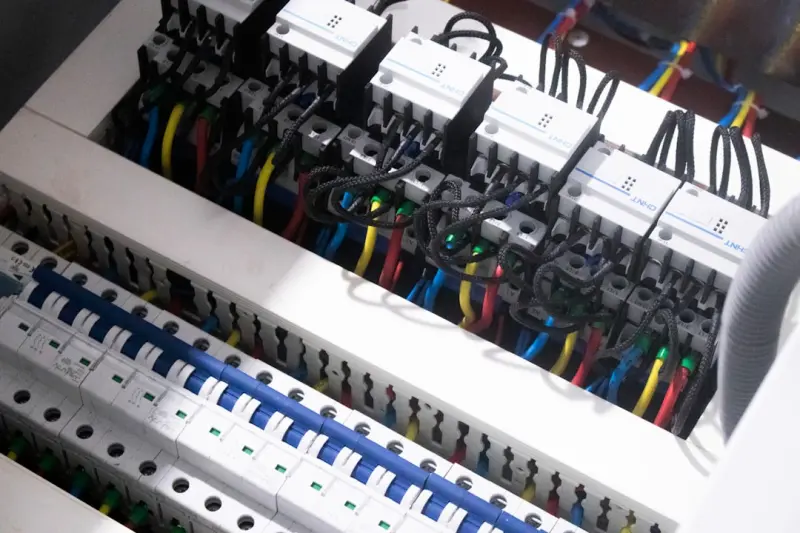
The use of sustainable materials in electrical infrastructure is another critical aspect of sustainable electrical solutions. This includes the use of recycled materials, sustainably sourced wood, and low-VOC (volatile organic compound) materials. For instance, electrical panels and wiring can be made from recycled materials, reducing waste and minimizing the environmental impact of electrical infrastructure. Additionally, the use of low-VOC materials can improve indoor air quality and reduce the negative effects of electrical infrastructure on human health.
Smart Home Technologies and Energy Efficiency
Smart home technologies are revolutionizing the way we interact with electrical systems. These technologies enable individuals to monitor and control their energy consumption remotely, optimizing energy efficiency and reducing waste. Smart home devices, such as thermostats and lighting systems, can be programmed to operate during off-peak hours, reducing energy consumption and lowering utility bills. Furthermore, smart home technologies can integrate with renewable energy sources, such as solar panels, to optimize energy efficiency and reduce reliance on the grid. By leveraging smart home technologies, individuals can make data-driven decisions about their energy consumption and reduce their environmental impact.
The Benefits of Sustainable Electrical Solutions
The benefits of sustainable electrical solutions are numerous and far-reaching. Some of the most significant advantages include:
- Reduced energy consumption: Sustainable electrical solutions can help reduce energy consumption, lowering utility bills and minimizing the environmental impact of electrical systems.
- Lower greenhouse gas emissions: By adopting renewable energy sources and energy-efficient appliances, individuals and businesses can significantly reduce their greenhouse gas emissions and contribute to a more sustainable future.
- Improved energy efficiency: Sustainable electrical solutions can optimize energy efficiency, reducing waste and minimizing the environmental impact of electrical systems.
- Enhanced energy independence: Sustainable electrical solutions, such as solar panels and energy storage systems, can provide individuals and businesses with energy independence, reducing reliance on the grid and enhancing energy security.
The Future of Sustainable Electrical Solutions
The future of sustainable electrical solutions is promising, with various technologies and innovations emerging to support the transition to a more sustainable electrical infrastructure. Some of the most exciting developments include:
- Advancements in renewable energy sources: Continued innovation in renewable energy sources, such as solar and wind power, will play a critical role in reducing our reliance on fossil fuels and mitigating climate change.
- Development of smart grid technologies: Smart grid technologies will enable the efficient distribution and management of renewable energy sources, optimizing energy efficiency and reducing waste.
- Increased adoption of energy storage systems: Energy storage systems, such as batteries, will play a vital role in supporting the integration of renewable energy sources into electrical systems, enhancing energy independence and reducing reliance on the grid.
Conclusion
In conclusion, sustainable electrical solutions are critical for creating a greener future. By adopting renewable energy sources, energy-efficient appliances, and sustainable materials in electrical infrastructure, individuals and businesses can significantly reduce their carbon footprint and contribute to a more sustainable future. As the world continues to evolve and innovate, it is essential that we prioritize sustainable electrical solutions, supporting the transition to a more sustainable electrical infrastructure. For more information on sustainable practices, check out The Ultimate Renovation Checklist: A Sustainable Approach and learn how to integrate sustainable solutions into your daily life.
Take Action Today
The time to act is now. By making conscious choices about our electrical systems and infrastructure, we can create a more sustainable future for generations to come. Whether you're a homeowner, business owner, or simply an individual looking to make a positive impact, there are many ways to get involved and support sustainable electrical solutions. Start by assessing your current energy consumption and exploring ways to reduce your carbon footprint. Consider investing in renewable energy sources, energy-efficient appliances, and sustainable materials in electrical infrastructure. Together, we can create a greener future and ensure a sustainable tomorrow.
Additional Resources
For more information on sustainable electrical solutions and how to get involved, check out the following resources:
- Embracing Sustainable Home Security: The Future of Alarm Systems
- The Evolution of Home Alarm Systems: How Sustainable Solutions Are Revolutionizing Home Security
By working together and supporting sustainable electrical solutions, we can create a greener future and ensure a sustainable tomorrow.

Kelly Reynolds is a dynamic freelance writer hailing from the picturesque landscapes of Alberta. A master of the written word, she juggles her passion for storytelling with the exhilarating chaos of being a mother to five spirited children. With an impressive portfolio that spans various genres, Kelly captivates readers through her engaging blog posts and thought-provoking articles.
Related Posts
Responsive Edge Controllers: Redefining Electrical Distribution for Modern Facilities
Traditional panels waste energy and risk equipment failure. Learn how responsive edge controllers pr... Read More
Digital Twins: The New Frontier for Electrical Infrastructure
Digital twins turn electrical systems from opaque black boxes into transparent, predictive assets, e... Read More
Predictive Electrical Maintenance: How AI Is Quietly Transforming Facility Operations
Learn how AI-powered predictive electrical maintenance turns sensor data into actionable insights, r... Read More
Top Posts

Beyond the Basement: Mastering Waterproofing for Long‑Term Home Health
A seasoned renovator shares a step‑by‑step, future‑focused guide to waterproofing basements using breathable membranes, interior drains, and eco‑friendl...Read More

Revolutionizing Home Comfort: The Future of Floor Heating
Floor heating is revolutionizing home comfort and energy efficiency. Learn about the benefits, types, and future trends of floor heating systems, and discover h...Read More

The Sustainable Awning Revolution: A Game-Changer for Homeowners
Sustainable awnings offer a stylish and practical way to reduce energy consumption and environmental impact. Learn about the benefits, trends, and innovations i...Read More

Rethinking the Sunroom: From Passive Nook to Adaptive Smart Hub
Explore how to upgrade a traditional sunroom into a multi‑purpose smart hub, balancing work, wellness, and sustainability through flexible zoning, electrochro...Read More
0 Comments
Post Comment
You will need to Login or Register to comment on this post!