
The Sustainable Awning Revolution: A Game-Changer for Homeowners
As a homeowner, I've always been fascinated by the intersection of form and function in exterior design. One often-overlooked aspect that can make a significant impact is the humble awning. Not only can it provide shade and protection from the elements, but it can also be a stylish addition to any home. In recent years, I've noticed a growing trend towards sustainable awning solutions that not only benefit the environment but also offer numerous practical advantages. In this article, I'll explore the evolution of sustainable awnings and their role in revolutionizing exterior design.
The Environmental Benefits of Sustainable Awnings
Traditional awnings often rely on resource-intensive materials and manufacturing processes. However, sustainable awnings are made from eco-friendly materials, such as recycled plastics, sustainably sourced wood, or low-carbon steel. These materials reduce waste, minimize environmental impact, and promote a healthier ecosystem. Moreover, sustainable awnings often incorporate green technologies like solar panels or rainwater harvesting systems, which can significantly reduce energy consumption and dependence on non-renewable resources. Sustainable home design is all about making conscious choices that benefit both the environment and homeowners.
The Advantages of Sustainable Awnings for Homeowners
So, what makes sustainable awnings an attractive option for homeowners? For starters, they offer improved energy efficiency by reducing heat gain and providing natural shading. This can lead to significant savings on energy bills and a reduced carbon footprint. Additionally, sustainable awnings are designed to be durable and long-lasting, minimizing the need for frequent replacements or repairs. They also come in a range of styles and designs, making it easy to find one that complements your home's unique architecture. Whether you're looking to upgrade your existing awning or install a new one, sustainable options are definitely worth considering.
The Future of Awning Design: Trends and Innovations
The awning industry is rapidly evolving, with innovative designs and materials emerging all the time. One exciting trend is the integration of smart technologies, such as automated awning systems that adjust to changing weather conditions. Another trend is the use of sustainable materials in awning fabrication, such as recycled polyester or plant-based composites. These advancements are not only eco-friendly but also offer improved performance, durability, and aesthetics. As the demand for sustainable solutions continues to grow, we can expect to see even more innovative awning designs in the future.
Real-World Applications of Sustainable Awnings
Sustainable awnings are not just a theoretical concept; they're being successfully implemented in homes and businesses around the world. From residential properties to commercial buildings, sustainable awnings are making a tangible impact on energy efficiency, environmental sustainability, and exterior design. For instance, a homeowner in a warm climate might install a solar-powered awning to reduce their energy bills and carbon footprint. A business owner, on the other hand, might choose a sustainable awning to enhance their brand's eco-friendly image and appeal to environmentally conscious customers.
Challenges and Limitations of Sustainable Awnings
While sustainable awnings offer numerous benefits, there are also some challenges and limitations to consider. For example, the higher upfront cost of sustainable awnings can be a barrier for some homeowners. Additionally, the availability of sustainable materials and skilled installers may vary depending on the region. Furthermore, some sustainable awnings may require more maintenance than traditional options, which can be a drawback for busy homeowners. However, as the industry continues to evolve, we can expect to see more affordable and practical sustainable awning solutions emerge.
The Role of Sustainable Awnings in Sustainable Home Design
Sustainable awnings play a vital role in sustainable home design, as they offer a practical and stylish way to reduce energy consumption and environmental impact. By incorporating sustainable awnings into their design, architects and homeowners can create more eco-friendly and resilient buildings that benefit both occupants and the environment. Moreover, sustainable awnings can help to mitigate the urban heat island effect, reduce stormwater runoff, and promote biodiversity in urban areas.
Conclusion and Future Directions
In conclusion, sustainable awnings are a game-changer for homeowners and the environment. By choosing eco-friendly materials, incorporating green technologies, and embracing innovative designs, we can create a more sustainable future for our homes and communities. As I look to the future, I'm excited to see how sustainable awnings will continue to evolve and play a critical role in sustainable property maintenance. Whether you're a homeowner, architect, or builder, I encourage you to explore the possibilities of sustainable awnings and join the revolution towards a more sustainable tomorrow.

Tom Ferguson is a Canadian freelance writer with a passion for storytelling, current events, and thoughtful commentary. Drawing on years of writing experience, he shares engaging insights on a wide range of topics, bringing a uniquely Canadian perspective to his work.
Related Posts
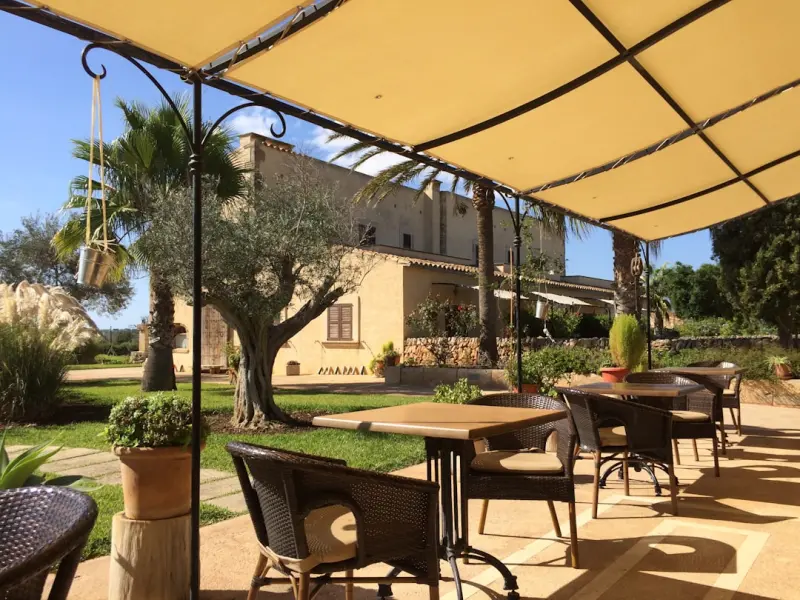
Beyond Shade: How Smart Awnings Elevate the Modern Workplace
A fresh look at awnings reveals they can be smart, data‑driven tools that lower energy bills, impr... Read More
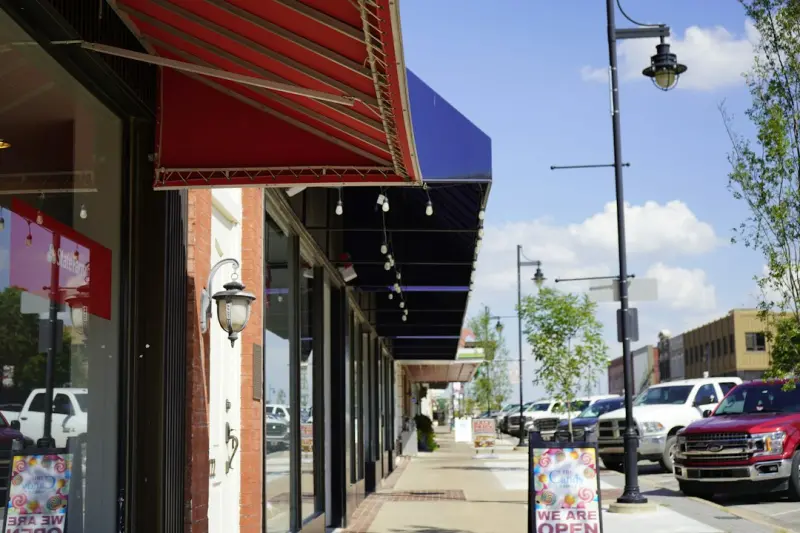
The Untapped Business Power of Smart Awnings
A deep dive into how smart, sustainable awnings transform storefronts into data‑driven branding as... Read More

The Sustainable Awning Revolution: How Eco-Friendly Designs Are Changing the Game
The world of awnings is undergoing a significant transformation, driven by the need for sustainable ... Read More
Top Posts

From Parking Space to Profit Engine: Reimagining Garage Construction for the E‑Commerce Era
A garage can be more than a car shelter; it can serve as a micro‑distribution hub, workshop, and showroom. Learn design strategies, ROI insights, and futureâ€...Read More

Tree Care as a Strategic Asset: From Soil to Skyline
A deep dive into practical tree care: early warning signs, seasonal pruning, soil health, tech‑enabled monitoring, and community stewardship—all designed to...Read More

Acoustic Architecture: Designing Spaces for Sound Wellness
Acoustic architecture shapes the soundscape of buildings, improving health, focus, and comfort. Learn strategies, case studies, and future tech that bring sound...Read More

Unlocking Hidden Value: Proactive Plumbing Audits for Commercial Spaces
A proactive plumbing audit reveals hidden leaks, inefficiencies, and sustainability opportunities, delivering measurable ROI and aligning with ESG goals for com...Read More
0 Comments
Post Comment
You will need to Login or Register to comment on this post!