

Rethinking the Sunroom: From Passive Nook to Adaptive Smart Hub
When I first stepped into a sunroom as a teenager, it felt like an outdoor balcony that the weather had politely invited inside. The glass walls framed a slice of sky, the floor warmed under the midday sun, and the space became a quiet retreat for reading or day‑dreaming. Decades later, my perspective has shifted from the purely aesthetic to the functional, especially as technology and climate concerns reshape how we inhabit our homes. In this post I’ll unpack why the modern sunroom should be treated as an adaptive smart hub—capable of supporting work, wellness, and energy efficiency—rather than a static decorative annex.
Why the Traditional Sunroom Model Is No Longer Sufficient
Historically, sunrooms have been marketed as “add‑ons” that boost curb appeal and resale value. The design focus was on maximizing daylight and providing a comfortable sitting area. While those goals remain valid, they ignore three critical shifts:
- Remote work permanence: A growing portion of the workforce now expects a dedicated, distraction‑free home office.
- Climate volatility: Seasonal extremes demand spaces that can intelligently modulate heat gain and loss.
- IoT integration: Consumers expect seamless connectivity—lighting, climate, security—all controlled from a smartphone or voice assistant.
Ignoring these trends means you’re left with a sunroom that feels underutilized during winter, overheated in midsummer, and disconnected from the rest of your smart home ecosystem.
Designing a Multi‑Purpose Smart Sunroom
To transform a sunroom into a truly adaptive environment, start with three pillars: flexible zoning, dynamic glazing, and integrated controls. Let’s break each down.
1. Flexible Zoning with Moveable Partitions
Think of your sunroom as a studio that can be re‑configured on demand. Lightweight, acoustic‑friendly partitions—whether sliding panels, foldable screens, or modular shelving—allow you to carve out a quiet corner for video calls, a collaborative area for brainstorming, or an open space for indoor yoga. The key is to choose materials that complement the glass aesthetic while offering sound dampening; reclaimed wood with acoustic backing works well and aligns with sustainable design principles.
2. Dynamic Glazing: From Fixed Glass to Electrochromic Panels
Traditional single‑pane or double‑pane glass maximizes daylight but offers limited control over solar heat gain. Enter electrochromic, or “smart,” glass: a thin, electrically activated coating that can shift from clear to tinted in seconds. Integrated with a home automation system, the glass can automatically dim during peak solar hours, reducing cooling loads, then clear up when you need more warmth on chilly mornings. This technology not only improves comfort but also reduces reliance on HVAC, translating into measurable energy savings.
3. Integrated Controls and Sensors
A smart sunroom should speak the same language as the rest of your home. Centralize control through a hub—think of a wall‑mounted touchscreen or a voice‑enabled speaker—that manages shading, temperature, lighting, and even air quality. Sensors that monitor indoor temperature, humidity, and CO₂ can trigger ventilation fans or dehumidifiers, preventing condensation on the glass during cooler nights. For those who love data, a simple dashboard can display real‑time solar gain, energy consumption, and projected savings.
Leveraging Solar Gain Without Overheating
One of the sunroom’s greatest assets is its ability to capture solar energy. Rather than treating this as a passive side effect, you can harness it strategically. During winter, the sunroom can act as a thermal buffer, pre‑heating air that circulates into the rest of the house via a dedicated duct system. In summer, the same solar gain can be redirected to a water‑to‑air heat pump, providing efficient cooling. By pairing the sunroom’s glazing with a solar energy strategy, homeowners can even feed excess electricity back to the grid, turning the space into a micro‑generation hub.
Weather‑Smart Envelope: The Unsung Hero
While the glass draws the eye, the surrounding envelope determines performance. High‑performance insulation, airtight sealing, and proper flashing are essential to prevent heat loss and moisture intrusion. The weather‑smart envelope approach—using insulated framing, vapor‑permeable membranes, and thermally broken windows—ensures the sunroom remains comfortable across seasons without becoming an energy drain. In practice, this means selecting low‑E coatings, employing insulated headers, and ensuring the roof slope directs water away from the glazing.
Acoustic Considerations: Turning Glass Into a Sound‑Friendly Space
Glass is notorious for reflecting sound, which can make a sunroom feel echoey—especially if you plan to host video conferences. To mitigate this, integrate acoustic panels into the ceiling or use double‑glazed units with an acoustic interlayer. Even the flooring matters: a cork underlayment beneath engineered hardwood can absorb footfall noise while retaining the warm feel of natural wood.
Smart Lighting: Extending Daylight Into the Night
When the sun sets, the sunroom’s purpose shouldn’t end. Layered lighting—ambient, task, and accent—controlled via dimmable LEDs can emulate natural circadian rhythms. Tunable white LEDs shift from cool blues in the morning to warm amber in the evening, supporting sleep health. Pair these lights with motion sensors to automatically dim when the room is unoccupied, preserving energy without sacrificing convenience.
Indoor‑Outdoor Flow: The Hybrid Experience
One of the most compelling reasons to invest in a sunroom is to blur the boundary between indoors and outdoors. Sliding or folding glass doors that open completely can transform the space into a veranda during temperate weather. Adding a retractable screen system keeps insects out while allowing fresh air in. When combined with a built‑in planter wall, you can cultivate herbs or succulents, creating a living wall that adds visual interest and improves indoor air quality—without the full biophilic narrative covered in other posts.
Future‑Proofing With Modular Construction
Many homeowners hesitate to add a sunroom because of perceived construction complexity. Modular construction offers a solution: prefabricated panels and wall sections that can be assembled on‑site in days rather than weeks. This method reduces waste, ensures tighter tolerances (critical for airtight glazing), and allows for future expansion—think adding a second level or extending the footprint as family needs evolve. For those interested in sustainability, modular systems often incorporate recycled steel frames and low‑VOC finishes.
Case Study: Turning a Sunroom Into a Hybrid Workspace
Consider a tech startup founder who wanted a home office that inspired creativity yet remained professional for client calls. By installing electrochromic glass, a concealed speaker system, and a motorized shading louvers, the sunroom became a versatile space. During morning brainstorming sessions, the glass stayed clear, flooding the room with natural light. As the afternoon heat peaked, the glass tinted automatically, and the louvers closed, maintaining a comfortable temperature. A discreet, sound‑absorbing partition created a “quiet zone” for video conferences, while a standing desk faced the garden view, boosting both productivity and well‑being.
Maintenance Tips to Preserve Performance
Even the smartest sunroom needs care. Here are three maintenance habits to adopt:
- Clean the glazing regularly: Use a non‑abrasive glass cleaner to maintain transparency and ensure the electrochromic coating functions correctly.
- Inspect seals and flashing: At least twice a year, check for gaps or water ingress, especially after heavy rain or snow.
- Calibrate sensors: Reset temperature and humidity sensors annually to maintain accurate readings for automated controls.
By staying proactive, you’ll protect the investment and keep the space performing at peak efficiency.
Conclusion: Embrace the Sunroom as an Adaptive Asset
The sunroom is no longer just a decorative extension—it can be a high‑tech, climate‑responsive hub that supports work, wellness, and sustainability. By rethinking zoning, glazing, and control systems, you turn a static glass box into a dynamic environment that adapts to your lifestyle and the weather outside. Whether you’re a remote professional, a green‑conscious homeowner, or a design enthusiast, the modern sunroom offers a canvas for innovation. Treat it as a living part of your home’s ecosystem, and you’ll reap comfort, productivity, and energy savings for years to come.

Lifan Chen is a freelancer based in Toronto specializing in marketing. With expertise in crafting effective marketing strategies and campaigns, Lifan helps businesses grow their brand presence and reach target audiences. As a Toronto-based freelancer, Lifan combines local market insights with creative marketing skills to deliver tailored solutions for clients.
Related Posts
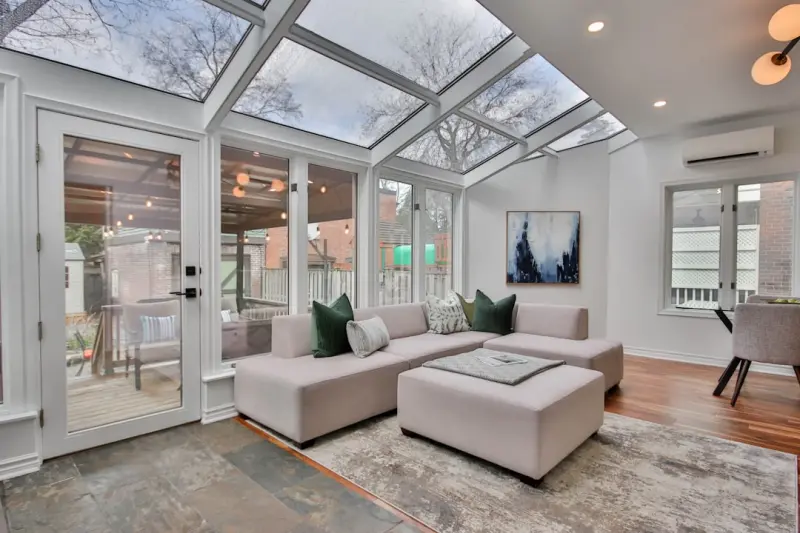
Sunroom Synergy: Turning Light‑Filled Spaces into Business Catalysts
Explore how sunrooms can evolve from decorative add‑ons to data‑driven, revenue‑generating ass... Read More
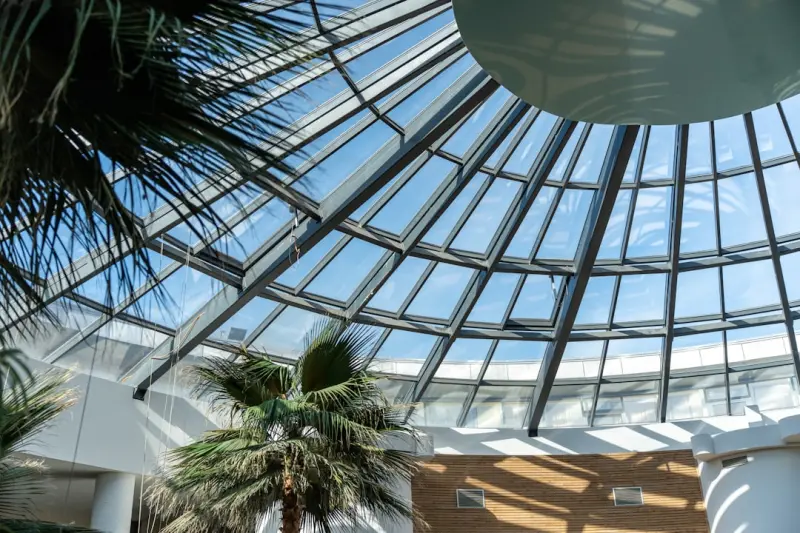
The Sunroom Renaissance: Harnessing Light, Heat, and Flexibility for Modern Living
A modern sunroom does more than add square footage; it captures free solar energy, balances temperat... Read More
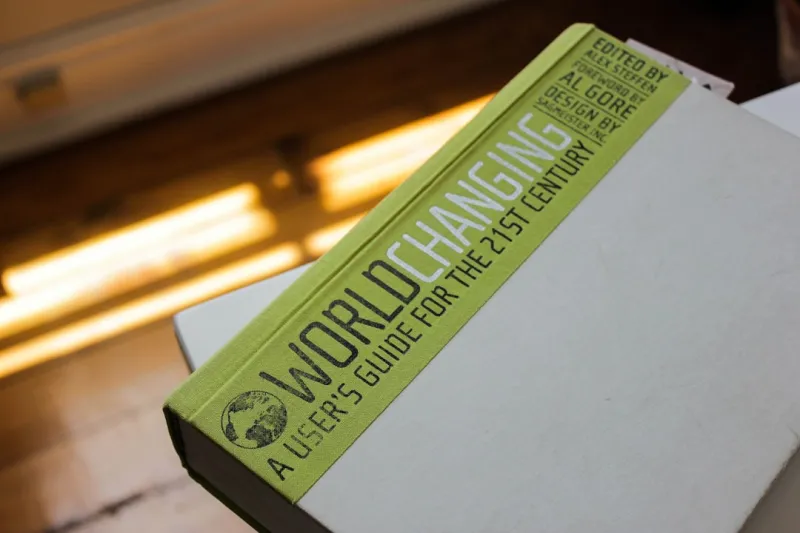
The Sunroom Revolution: How Sustainable Practices Are Changing the Game
Learn how to create a greener, more sustainable sunroom that benefits both you and the environment, ... Read More
Top Posts

The Sustainable Tree Care Playbook: Tips from a Veteran Contractor
Learn how to assess, prune, water, and protect trees sustainably, with insider tips from a veteran contractor that enhance home efficiency and longevity....Read More

Connected Leak Detection: Turning Water Woes Into Data‑Driven Wins
Connected leak detection transforms plumbing from reactive repairs to proactive protection, using sensors and cloud data to spot issues before water damage occu...Read More
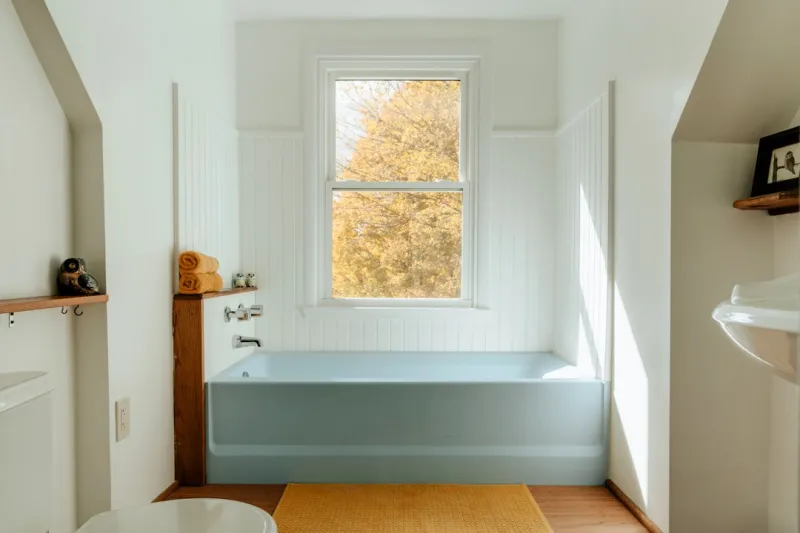
Bathtub Refinishing: A Sustainable Solution for a Fresh New Look
Bathtub refinishing is a sustainable solution for updating your bathroom without breaking the bank or harming the environment. Learn about the benefits and proc...Read More

The Importance of Energy Inspections in Home Renovations
Energy inspections play a critical role in home renovations, helping homeowners identify energy-wasting areas and create a more sustainable living space. Learn ...Read More
0 Comments
Post Comment
You will need to Login or Register to comment on this post!