

The Power of a Well‑Stocked Toolbox
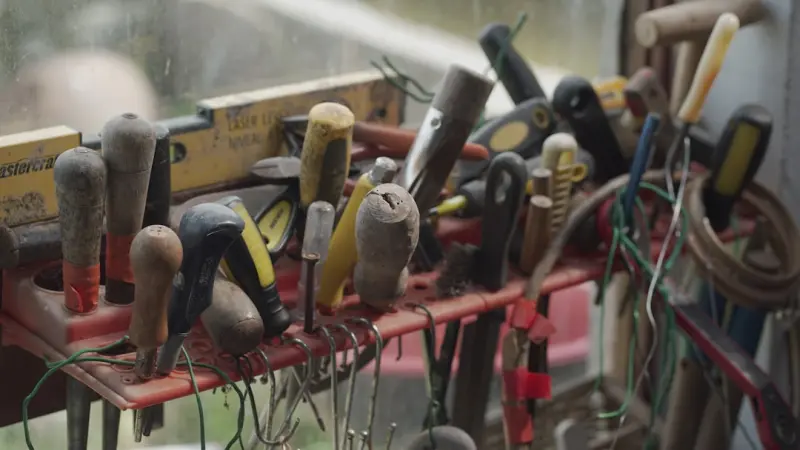
When I first started fixing things around my apartment, I quickly realized that the real magic lies not in expensive gadgets but in a thoughtfully curated set of basics that anyone can afford; a sturdy screwdriver set, a reliable tape measure, a versatile utility knife, and a pair of adjustable pliers become the silent heroes of countless projects. Having these tools within arm's reach means you can tackle a leaky faucet, a squeaky hinge, or a cracked tile without scrambling to the hardware store at the last minute, saving both time and the inevitable frustration of a half‑finished repair. Over the years I’ve added a few specialized items—a cordless drill with variable speed and a compact stud finder—yet the core philosophy remains: simplicity, reliability, and the confidence that comes from knowing you’re prepared for the unexpected.
Diagnosing the Problem Before You Dive In
Before you swing a hammer or unscrew a panel, take a moment to observe, listen, and even smell the issue; a subtle drip, an odd vibration, or a faint musty odor can point you toward the root cause and prevent wasted effort. I’ve learned that a methodical approach—writing down what you notice, checking nearby components, and consulting the user manual—often reveals that the “big” problem is actually a minor, easily fixable flaw, such as a loose washer or a clogged vent. By spending a few minutes on diagnosis, you not only avoid costly missteps but also build a habit of thoughtful problem‑solving that translates to every corner of the home.
Mastering the Art of Sealant Refresh
One of the most overlooked yet high‑impact repairs is the simple act of resealing joints in bathrooms and kitchens, where water infiltration can lead to mold, rot, and costly replacements; the secret is choosing the right caulk and applying it with patience. I rely on the step‑by‑step instructions from the DIY caulk revival guide, which walks you through cleaning the old sealant, prepping the surface, and laying a smooth, even bead that resists mildew for years. A fresh seal not only protects your fixtures but also gives the room a polished look, turning a neglected area into a showcase of diligent upkeep.
Rewiring Light Fixtures Without Fear
Changing a light fixture can feel intimidating, but with a clear plan and a few safety precautions, it becomes a rewarding upgrade that instantly brightens a space; start by turning off the circuit breaker, confirming no voltage with a tester, and labeling each wire before removal. I always keep a small notebook handy to sketch the wiring layout, which saves me from the dreaded “which wire goes where” moment that can cause headaches later. Once the old fixture is off, connect the new one by matching color‑coded wires—black to black, white to white, and the bare copper to ground—tightening each connection firmly to prevent flickering or overheating.
Fixing Stubborn Door Alignment with Simple Adjustments
Doors that stick, squeak, or swing unevenly are often the result of loose hinges, warped frames, or shifts in the house’s foundation, and the remedy usually involves a few quick tweaks rather than a full replacement. I start by tightening all hinge screws, then I use a screwdriver to gently tap the hinge leaf back into place if it’s recessed, followed by sanding any minor warps on the door edge with fine‑grain sandpaper for a smoother glide. For doors that still misalign, adding a thin shim behind the hinge or adjusting the strike plate can restore proper clearance, turning a daily annoyance into a seamless entry.
Reviving Water Flow with Pipe Insulation Hacks
Cold showers in winter aren’t just uncomfortable—they can indicate that exposed pipes are losing heat, leading to inefficient water delivery and higher utility bills; wrapping these pipes with foam insulation is a low‑cost fix that yields immediate results. I cut the insulation to length, secure it with zip ties, and seal any seams with waterproof tape, ensuring that the pipe is completely covered yet still accessible for future maintenance. This simple barrier not only maintains temperature but also protects the plumbing from freezing, extending the lifespan of the system and reducing the likelihood of burst pipes.
Leveraging Smart Appliance Repair Knowledge
Even the most modern appliances can falter, and before you call a technician, a quick diagnostic can often reveal a simple fix; many issues stem from clogged filters, loose connections, or outdated firmware. The smart appliance repair guide offers a concise checklist that walks you through resetting the unit, cleaning internal components, and updating software, empowering you to resolve problems that would otherwise cost a fortune. Embracing this proactive mindset not only saves money but also deepens your understanding of how everyday technology works, turning you into a more confident homeowner.
Transforming Small Cracks into Seamless Surfaces
Minor cracks in walls or tile can quickly become eyesores if left unattended, yet repairing them doesn’t require a contractor; a combination of filler, sandpaper, and matching paint or grout can restore a flawless finish. I start by cleaning the crack, applying a flexible filler that adheres to both surfaces, and smoothing it with a putty knife; once it cures, I sand it to level with the surrounding area and blend the color using a touch‑up paint or grout that matches the original hue. This approach not only preserves the aesthetic integrity of the room but also prevents water infiltration that could cause deeper structural damage over time.
Creating a Maintenance Routine That Sticks
The secret to a home that rarely needs emergency repairs is a regular, seasonal maintenance schedule that addresses wear before it becomes a problem; I keep a simple spreadsheet that lists tasks like checking HVAC filters, inspecting roof flashing, and lubricating door hinges, assigning them to specific months. By allocating just an hour each month to these chores, I spread the workload evenly and avoid the overwhelming “catch‑up” sprint that leads to missed steps and costly fixes. This habit transforms DIY repairs from reactive firefighting into proactive stewardship, ensuring your living space remains safe, comfortable, and financially sound for years to come.

Lifan Chen is a freelancer based in Toronto specializing in marketing. With expertise in crafting effective marketing strategies and campaigns, Lifan helps businesses grow their brand presence and reach target audiences. As a Toronto-based freelancer, Lifan combines local market insights with creative marketing skills to deliver tailored solutions for clients.
Related Posts

Breathe New Life Into Vintage Windows: A DIY Home Repair Blueprint
Discover a comprehensive DIY process for restoring vintage wooden windows, from assessing damage and... Read More

DIY Home Repairs: Sustainable Solutions From a Veteran Contractor
Discover practical, sustainable DIY repair strategies that combine cost‑saving techniques with eco... Read More
Mastering One-Tool DIY Home Repairs: A Minimalist’s Guide
A minimalist toolkit of four multi-purpose tools can handle the majority of DIY home repairs. Discov... Read More
Top Posts

Beyond Glass: Leveraging Smart Windows & Doors for Business Growth
Modern windows and doors are evolving from passive fixtures to data‑rich, revenue‑generating assets. This post explores how smart fenestration can improve e...Read More

Flooring Fundamentals: Sustainable Choices, Health Benefits, and Smart Design
Explore sustainable flooring materials, health‑focused finishes, and design tricks that enhance comfort, style, and resale value—all underfoot....Read More

Why Subscription-Based Appliance Repair Is the Future of Home Maintenance
Subscription-based appliance repair offers predictable fees, priority service, and regular maintenance, turning reactive repairs into proactive care and deliver...Read More

Smart Carpet Cleaning: Turning Routine Maintenance into a Business Advantage
Smart carpet cleaning transforms a routine task into a strategic asset. By using IoT sensors, AI analytics, and integrated building systems, businesses can impr...Read More
0 Comments
Post Comment
You will need to Login or Register to comment on this post!