
Why I Chose Solar
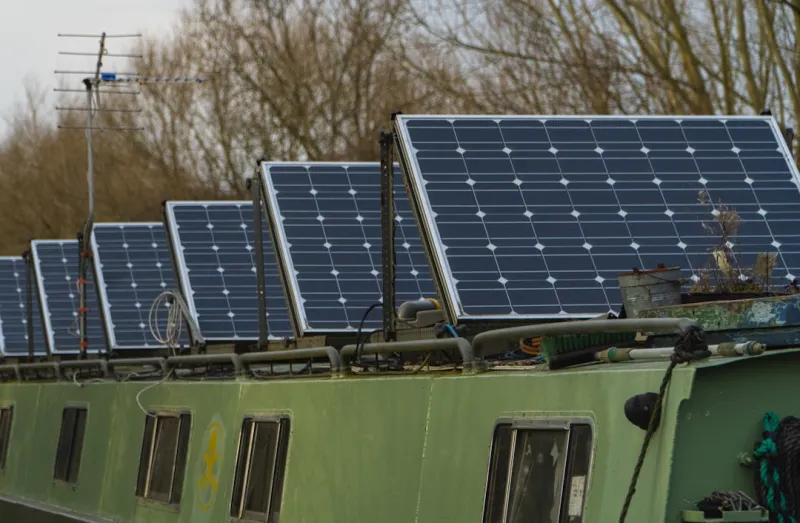
When I first stared at my monthly electric bill, the numbers stared back like a relentless alarm, and I realized that my home was silently draining my wallet while contributing to a climate crisis that feels increasingly personal, especially as my kids ask why the lights stay on even when nobody is in the room. After months of research, countless webinars, evenings spent poring over panel specifications, and conversations with neighbors who had already made the switch, I decided to turn the sun’s free energy into a reliable, cost‑cutting ally for my family, and the journey has reshaped not just my utility expenses but also my mindset about responsible homeownership. In this post I’ll walk you through the decisions that mattered most, the hidden costs that surprised me, and the strategic upgrades—like the ones highlighted in Electrify Your Home—that amplified the solar payoff, so you can replicate my success without the trial‑and‑error headache.
Understanding Your Solar Potential
Before I could even think about purchasing panels, I needed to understand how much sun actually kissed my roof, which meant mapping out roof orientation, tilt, and shading from nearby trees using a free online solar calculator that plotted sun paths across the year, revealing that my south‑facing slope captured roughly 5.2 peak sun hours daily—a solid baseline for a productive system. I also measured my historic electricity usage, digging through twelve months of utility statements to calculate an average demand of 850 kWh per month, a figure that helped me size a system that would cover about 80 % of my consumption while leaving room for future expansions like electric vehicle charging. By aligning the technical data with my lifestyle goals, I could set realistic expectations, avoid over‑investment, and ensure that the solar array would truly become a cornerstone of my home’s energy independence.
Financial Incentives and Real‑World ROI
The biggest surprise in my solar adventure was how many financial levers were available to lower upfront costs, from federal tax credits covering 30 % of equipment expenses to state rebates that sliced another few thousand dollars off the total, not to mention utility‑company net‑metering programs that credit every kilowatt‑hour I export back to the grid at retail rates, essentially turning my roof into a mini‑power plant. I worked with a tax professional to capture the credit on my return, and I negotiated a zero‑interest loan through a local green bank that matched the expected payback period, allowing me to spread the investment over ten years without feeling the pinch. When I ran the numbers, the simple payback landed at roughly 7.5 years, and after that point the system would generate free electricity for the remainder of its 25‑year lifespan, translating into cumulative savings that easily surpass the initial outlay.
Selecting a Qualified Installer
Finding the right installer felt like dating—there were many options, but only a few matched my values, so I vetted each company for certifications such as NABCEP, read hundreds of online reviews, and asked for references from recent residential projects in my neighborhood to gauge workmanship quality and post‑installation support. I also checked local permitting requirements, because my municipality demanded a detailed site plan, structural load calculations, and an electrical inspection, all of which the installer handled for a modest fee, sparing me weeks of bureaucracy and ensuring the project stayed on schedule. The installer I ultimately chose offered a performance guarantee that promised at least 90 % of the rated output after ten years, a promise backed by a comprehensive warranty package that covered both the panels and the inverter, giving me confidence that the system would deliver the promised energy savings for the long haul.
Integrating Battery Storage for True Independence
While solar panels generate power during daylight, I quickly learned that storing excess energy for nighttime use required a reliable battery system, so I explored lithium‑ion options that boast higher round‑trip efficiency and longer lifespans compared to lead‑acid alternatives, ultimately selecting a modular solution that could be expanded as my energy needs grew. The battery not only shields me from peak‑hour rates by discharging when electricity costs spike, but it also provides a safety net during grid outages—a feature that proved invaluable during a recent storm that knocked out power for an entire block, yet my home stayed lit and warm thanks to the stored solar reserve. By pairing the battery with a smart energy management platform, I can prioritize solar usage, set custom discharge schedules, and monitor real‑time performance from my phone, turning what once seemed like a complex system into an intuitive, automated ally.
Smart, Sustainable Heating & Cooling
One of the most rewarding upgrades after installing solar was to replace my old gas furnace with a high‑efficiency heat pump that runs on electricity, a move that synergizes perfectly with the clean power my panels generate and dramatically reduces my carbon footprint. I followed the guidance from Smart, Sustainable Heating & Cooling to size the system correctly, ensuring it could handle both heating and cooling loads while maintaining an impressive Seasonal Energy Efficiency Ratio (SEER) that translates to lower energy consumption year‑round. The heat pump’s variable‑speed compressor works hand‑in‑hand with my solar inverter, drawing power when the sun is shining and seamlessly switching to stored battery energy after sunset, which means I’m not only cutting bills but also eliminating the need for fossil‑fuel combustion in my home’s climate‑control backbone.
Monitoring Performance and Adjusting Behavior
After the system went live, I set up a cloud‑based monitoring dashboard that displays real‑time production, consumption, and battery state of charge, allowing me to spot inefficiencies within minutes and adjust habits like running the dishwasher during peak solar hours to maximize self‑consumption. The platform also sends monthly performance reports that compare actual output against the expected baseline, highlighting seasonal variations and alerting me to potential issues such as inverter degradation or unexpected shading caused by new foliage growth. By treating the data as a living report card, I’ve been able to fine‑tune my energy‑use patterns, trim waste, and keep the system operating at an optimal capacity factor that consistently exceeds 22 %.
Routine Maintenance and Longevity
Solar panels are famously low‑maintenance, but I still schedule a bi‑annual cleaning to remove dust, pollen, and occasional bird droppings that can shave off a few percent of output, using a soft brush and a hose with gentle pressure to avoid scratching the glass; for those living in windy or desert climates, I also inspect the mounting hardware for loose bolts or corrosion, tightening anything that looks suspect. In addition to physical upkeep, I keep the inverter firmware up to date, as manufacturers often release performance‑enhancing patches that improve conversion efficiency and add new diagnostic features. By committing to these simple, proactive steps, I’ve been able to maintain a degradation rate of less than 0.5 % per year, which aligns with the industry standard and ensures that my investment continues to deliver robust savings well beyond the warranty period.
Community Impact and Shared Solar Opportunities
Beyond my own roof, I’ve discovered that solar can be a catalyst for broader neighborhood sustainability, especially through community‑solar programs that let renters or owners of shaded properties subscribe to a shared array and receive credit on their utility bills, a model that spreads the environmental benefits across a wider audience and fosters collective responsibility. I’ve already spoken at a local homeowner association meeting, sharing my experience and encouraging others to explore group purchasing options that lower per‑panel costs through bulk discounts, a strategy that mirrors the collaborative spirit of the Hidden Power of Insulation article where combined efforts dramatically boost overall efficiency. By championing these shared initiatives, we not only accelerate the transition to clean energy but also build a resilient, energy‑aware community that can weather future challenges together.
Taking the First Step Toward Solar Independence
If you’re reading this and wondering whether solar is right for you, my advice is simple: start with a free site‑assessment, calculate your average usage, and let the numbers guide you, because data‑driven decisions remove the guesswork and empower you to invest confidently in a technology that pays for itself while protecting the planet. Remember that the journey isn’t just about slapping panels on a roof; it’s about integrating smart storage, efficient heating and cooling, and ongoing monitoring to create a harmonious ecosystem that maximizes savings and minimizes waste. By following the roadmap I’ve laid out, you can transform your home into a beacon of renewable energy, enjoy lower bills, and join a growing movement of homeowners who are turning sunlight into a tangible, lasting asset.

Kelly Reynolds is a dynamic freelance writer hailing from the picturesque landscapes of Alberta. A master of the written word, she juggles her passion for storytelling with the exhilarating chaos of being a mother to five spirited children. With an impressive portfolio that spans various genres, Kelly captivates readers through her engaging blog posts and thought-provoking articles.
Related Posts
Solar Energy as a Strategic Infrastructure Layer for Modern Enterprises
Solar isn’t just about saving on electricity bills—it can serve as a core infrastructure element... Read More

Solar‑Powered Business Hubs: Turning Light into a Competitive Edge
A deep dive into leveraging solar power beyond utility bills, exploring service models, AI integrati... Read More
Solar‑Powered Edge Computing: Fueling the Next Generation Workplace
Solar‑powered edge computing merges renewable energy with on‑site data processing, delivering lo... Read More
Top Posts

The Secret Power of Smart Paint: Turning Your Walls into Active Assets
Smart paint blends nanotech, sensors, and adaptive pigments to turn ordinary walls into health‑monitoring, energy‑saving surfaces, offering homeowners a pro...Read More

Turning Sunlight Into Everyday Value: A Fresh Take on Solar Energy
Explore cutting‑edge solar strategies that go beyond rooftop panels, including building‑integrated photovoltaics, smart home synergy, and community solar op...Read More

Smart Snow Removal: Turning Winter Into a Strategic Asset
Snow removal can be more than a seasonal chore. Learn how sensor data, predictive analytics, and automation transform winter maintenance into a cost‑saving, s...Read More

Electrify Your Workspace: Turning Power Into a Strategic Asset
A deep dive into making electricity a proactive, data‑driven advantage for modern workplaces, covering IoT sensors, modular architecture, and sustainability i...Read More
0 Comments
Post Comment
You will need to Login or Register to comment on this post!