
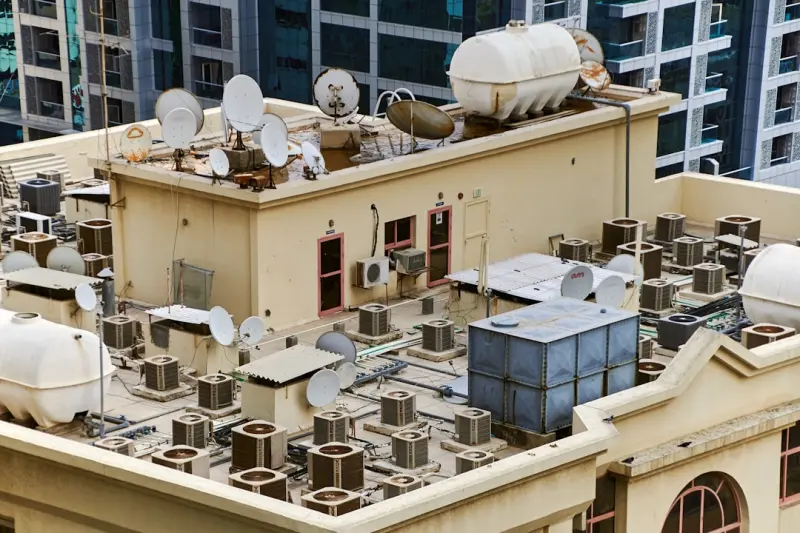
From Shingles to Data Hubs: Reimagining Roofs for the Modern Facility
When most facility managers think about the roof, the mental image is often a static slab of shingles or metal that simply keeps the rain out. But in today’s data‑driven world, that perspective leaves a massive opportunity on the table. The roof can be the most intelligent, revenue‑generating surface you own—if you treat it like a platform, not a passive barrier.
Why Roofs Deserve a Seat at the Strategy Table
Every square foot of roof real estate carries three hidden assets:
- Energy capture potential – solar, wind, and even geothermal fluxes can be harvested directly where they’re strongest.
- Environmental data – temperature gradients, UV exposure, and precipitation patterns are all measurable from the roof surface.
- Asset longevity insights – early‑stage wear, material fatigue, and structural shifts become visible long before a leak appears.
When you overlay these assets with a continuous data collection strategy, the roof transforms from a maintenance checklist item into a proactive performance engine. The shift is subtle but powerful: instead of reacting to a roof leak, you’re anticipating energy spikes, scheduling preventive repairs, and even monetizing excess solar generation.
The Role of Drone‑Enabled Inspections
Traditional roof inspections rely on ladders, harnesses, and a lot of guesswork. Enter drones: high‑resolution cameras, thermal imagers, and LiDAR scanners can map the entire roof envelope in minutes. The data they collect is far richer than a visual checklist—it includes:
- Thermal signatures that reveal hidden moisture pockets.
- 3‑D point clouds that detect sagging or structural deformation.
- Reflectance values that help optimize solar panel placement.
By integrating drone data into a facility’s central CMMS (Computerized Maintenance Management System), you create a live, searchable archive. Trends become obvious: a gradual increase in thermal variance across a particular panel row may signal an upcoming failure, prompting a targeted service call before any downtime occurs.
From Solar Panels to Integrated Roof‑Embedded Energy Harvesters
Most commercial roofs already host solar arrays, but the next wave goes deeper—integrating thin‑film photovoltaic cells directly into the roofing membrane. This building‑integrated photovoltaic (BIPV) approach eliminates the need for separate mounting hardware, reduces weight, and improves aesthetic cohesion.
When you combine BIPV with the data pipeline described above, you can:
- Track real‑time generation per square foot and compare it against weather forecasts.
- Automatically adjust building loads, shifting HVAC or lighting schedules to match on‑site generation.
- Feed excess energy back to the grid and capture demand‑response incentives.
In short, the roof becomes a dynamic energy asset that not only lowers utility bills but also creates a new revenue stream.
Linking Roof Performance to Facility‑Wide Efficiency
Roof data doesn’t live in a vacuum. It dovetails with other building systems to amplify overall efficiency. For example, heat recovery technologies can capture waste heat from rooftop solar inverters and feed it into pre‑heating loops for domestic hot water. The same temperature data gathered by roof‑mounted sensors informs those loops, ensuring they operate at peak performance without overshooting.
Similarly, the IoT‑enabled roof monitoring platforms discussed in other posts illustrate how a unified sensor network can feed data into predictive analytics engines. When the roof reports a sustained temperature rise beyond a threshold, the building management system can pre‑cool interior zones to offset the heat load, preserving occupant comfort while shaving off energy costs.
Building a Service Model Around Roof Health
Facilities that treat the roof as a data hub can craft a new kind of service agreement—Roof Performance as a Service (RPaaS). Instead of a flat‑fee maintenance contract, RPaaS includes:
- Continuous monitoring via embedded sensors and periodic drone fly‑bys.
- Analytics reporting that translates raw data into actionable insights for facility leadership.
- Dynamic remediation where service crews are dispatched only when the data indicates a genuine issue, reducing unnecessary site visits.
- Energy optimization that aligns solar generation with building loads, delivering measurable savings.
This model shifts the revenue focus from “how many service calls” to “how much value we unlock”. It also aligns incentives: the service provider benefits when the roof stays healthy and productive, encouraging investment in higher‑quality materials and smarter installation techniques.
Material Choices That Complement Data Integration
Not all roofing materials are created equal when it comes to sensor integration. Here’s a quick rundown:
- Standing‑seam metal – excellent for mounting sensors and solar modules; low thermal mass reduces heat‑related stress.
- Thermoplastic polyolefin (TPO) membrane – lightweight, reflective, and compatible with embedded fiber‑optic temperature probes.
- Green roof systems – while they add insulation and storm‑water benefits, they also create a micro‑climate that can be monitored for evapotranspiration rates, informing irrigation schedules.
Choosing a material that plays well with digital tools reduces retrofitting costs and speeds up ROI on the data platform.
Case Snapshot: A Mid‑Size Distribution Center
One client recently retrofitted a 150,000‑sq‑ft warehouse roof with BIPV and a network of temperature, humidity, and vibration sensors. Over a twelve‑month period they reported:
- 15% reduction in peak‑demand charges thanks to automated load shifting.
- Early detection of a membrane seam failure that, if left unchecked, would have caused a $120,000 water damage claim.
- Additional revenue of $8,000 from feeding surplus solar back to the grid during peak pricing windows.
The key takeaway? Data‑driven roof management turned a traditionally passive expense into a measurable profit center.
Getting Started: A Step‑by‑Step Playbook
- Audit your current roof – Document material type, age, and existing energy assets.
- Define data goals – Decide whether you’re focused on energy, structural health, or both.
- Select a sensor suite – Combine temperature, humidity, vibration, and solar irradiance sensors for a holistic view.
- Partner with a drone service – Establish a quarterly inspection cadence to keep the 3‑D model up‑to‑date.
- Integrate with your BMS – Map sensor outputs to the building management system for automated responses.
- Develop a performance dashboard – Use visualizations to track ROI, energy generation, and maintenance alerts in real time.
- Iterate and expand – Once the core loop is stable, add advanced analytics like machine‑learning‑driven failure predictions.
Each step can be tackled in phases, allowing you to scale the initiative without overwhelming budget or staff.
Future‑Proofing the Roof
As climate patterns become more extreme, the roof’s role as a protective envelope will only grow in importance. By embedding intelligence today, you’re not just solving tomorrow’s maintenance headaches—you’re positioning your facility to adapt to changing weather, regulatory demands, and market incentives.
In the end, the roof is no longer just a shelter; it’s a strategic asset that can drive cost savings, generate revenue, and safeguard the building’s core. The question isn’t “Do we need to upgrade our roof?” but rather, “How can we unlock the hidden value already sitting above us?”

Kelly Reynolds is a dynamic freelance writer hailing from the picturesque landscapes of Alberta. A master of the written word, she juggles her passion for storytelling with the exhilarating chaos of being a mother to five spirited children. With an impressive portfolio that spans various genres, Kelly captivates readers through her engaging blog posts and thought-provoking articles.
Related Posts
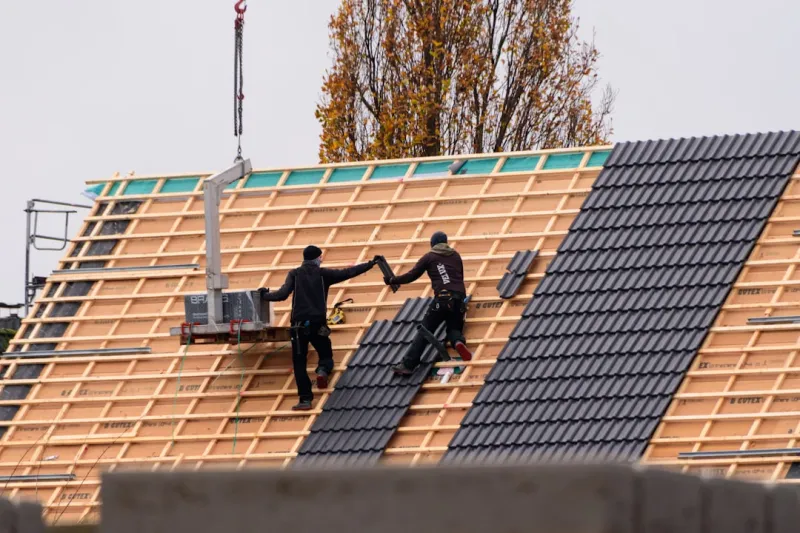
The Evolution of Sustainable Roofing: A Comprehensive Guide
Sustainable roofing is not just a trend; it's a necessity for the future of our planet. Learn about ... Read More

Green Roofs: Transforming Commercial Roofing into Living Assets
Explore the business case for green roofs, from thermal regulation and stormwater retention to ROI, ... Read More

Roof Real Estate: Monetizing the Skyline with Integrated Advertising
Rooftops are more than protective covers; they can be high‑impact advertising platforms that gener... Read More
Top Posts

Paving the Way: Data-Driven Surfaces Transforming City Streets
A deep dive into the latest trends in paving, from solar‑embedded slabs to IoT‑driven maintenance, and how they empower cities to build smarter, greener str...Read More
Mastering Construction Permits: A Builder’s Playbook for Seamless Approvals
Learn how to demystify construction permits with a strategic checklist, digital tools, and community outreach—turning a daunting process into a project‑winn...Read More

The Evolution of Tiling: How Sustainable Solutions Are Revolutionizing the Industry
The tiling industry is undergoing a significant transformation, driven by the need for sustainable solutions. Learn about the evolution of tiling and how eco-fr...Read More

Green Paving: Building Sustainable Driveways and Walkways for the Modern Home
Explore the rise of green paving, from recycled aggregates to permeable designs, and learn how eco‑friendly surfaces boost durability, lower energy use, and p...Read More
0 Comments
Post Comment
You will need to Login or Register to comment on this post!