
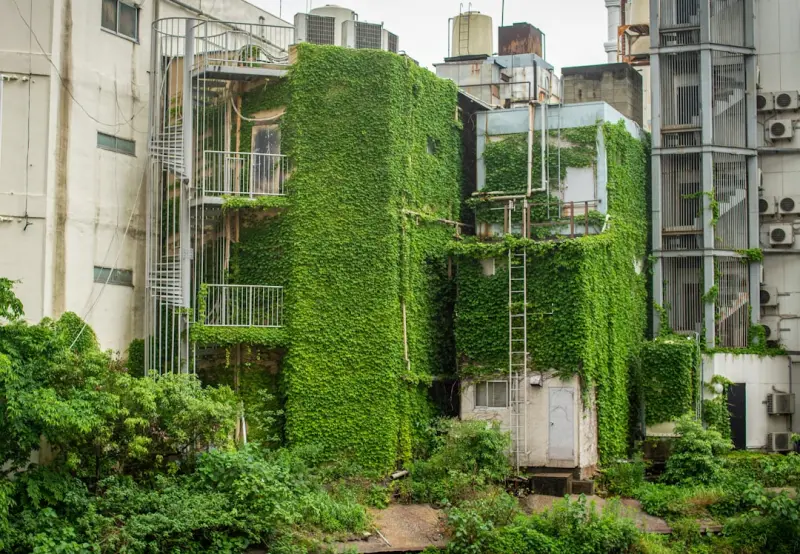
From Concrete Jungle to Living Canopy: The Untapped Power of Green Roofs
Walking through a downtown corridor, you might expect to see a sea of glass, steel, and asphalt. Yet, perched above the bustle, a growing number of buildings are sprouting layers of soil, moss, and hardy plants. These living rooftops are more than aesthetic statements; they are a strategic response to climate pressures, urban heat islands, and the loss of natural habitats. While many conversations still revolve around solar panels or reflective coatings, the ecological and social dividends of green roofs remain under‑explored. This piece dives deep into why city planners, developers, and facilities managers should start treating rooftops as thriving ecosystems rather than mere shelters.
Why Green Roofs Matter in Dense Urban Landscapes
In cities where every square foot of ground is contested, rooftops offer a rare canvas for nature to re‑establish itself. By converting flat or low‑slope roofs into vegetated layers, we create micro‑habitats that support pollinators, birds, and beneficial insects. These habitats help reverse the fragmentation of urban green spaces, providing corridors that enable wildlife to move safely across the built environment. Moreover, the presence of vegetation directly above a building contributes to a measurable reduction in indoor temperature fluctuations, lowering reliance on mechanical cooling and heating systems.
Stormwater Management: A Natural Filtration System
One of the most compelling arguments for green roofs is their ability to capture and slowly release rainwater. Traditional roofs channel runoff straight into storm drains, overwhelming municipal systems during heavy storms. A vegetated roof, however, can retain anywhere from 30% to 80% of rainfall, depending on the substrate depth and plant selection. This delayed runoff not only reduces flood risk but also filters pollutants, allowing cleaner water to re‑enter the urban watershed. For facilities managers, the reduced demand on drainage infrastructure can translate into lower maintenance costs and fewer regulatory headaches.
Thermal Insulation and Energy Savings
Beyond the obvious aesthetic appeal, green roofs function as a robust thermal barrier. During summer months, the soil and plant layer absorb and dissipate heat, preventing the roof deck from reaching extreme temperatures. In winter, the same layer provides an extra insulating blanket, reducing heat loss. Studies have shown that well‑designed vegetated roofs can cut a building’s cooling load by up to 25% and heating demand by 10%–15%. When paired with traditional insulation, the combined effect can be a substantial reduction in annual energy consumption, contributing directly to a building’s sustainability targets.
Integrating Technology: From Sensors to Data‑Driven Maintenance
While the core concept of a green roof is ancient—think of the hanging gardens of Babylon—modern technology can optimize its performance. Moisture sensors, temperature probes, and remote monitoring platforms enable facilities teams to track the health of the vegetation in real time. By integrating these data streams with building management systems, it becomes possible to anticipate watering needs, detect leaks, or identify substrate degradation before they become costly problems. For those curious about how digital tools can enhance building performance, explore how digital twins for building systems are reshaping operational strategies.
Choosing the Right Plant Palette
The success of a green roof hinges on selecting species that can thrive in shallow soils, high wind exposure, and intense sunlight. Succulents, sedums, native grasses, and low‑maintenance perennials are popular choices because they require minimal irrigation and can tolerate the harsh rooftop environment. Incorporating a mix of flowering plants can also attract pollinators, turning the roof into a seasonal showcase of biodiversity. Landscape architects often conduct a site‑specific analysis—considering factors like wind direction, sun exposure, and local climate—to curate a plant palette that balances aesthetics with ecological function.
Economic Incentives and Return on Investment
Many municipalities now offer tax credits, rebates, or expedited permitting for projects that incorporate vegetated roofs. These incentives, combined with the long‑term savings on energy bills and roof replacement cycles, can dramatically improve the financial case. A green roof typically extends the lifespan of the roof membrane by shielding it from UV radiation and temperature extremes. Over a 20‑year horizon, the cumulative cost avoidance can outweigh the initial installation expense, delivering a solid return on investment for forward‑thinking property owners.
Case Study: Transforming a Commercial Plaza into an Urban Oasis
A recent retrofit of a 12‑story office tower in the city center turned the building’s flat roof into a 10,000‑square‑foot green space. The project incorporated a lightweight soil mix, a drip‑irrigation system controlled by moisture sensors, and a diverse planting scheme featuring native wildflowers and drought‑tolerant shrubs. Within six months, the building’s cooling demand dropped by 18%, and the rooftop became a venue for employee wellness programs, yoga classes, and community events. The developers also partnered with a local university to monitor stormwater retention, providing valuable data for future city planning.
Maintenance Strategies: From DIY to Professional Stewardship
Maintaining a thriving roof garden requires a proactive approach. Regular inspections should focus on drainage pathways, plant health, and substrate integrity. While some organizations opt for in‑house maintenance crews, many find that partnering with specialized green‑roof contractors ensures that the system receives the nuanced care it needs. For larger complexes, integrating maintenance schedules into the building’s overall asset management plan can streamline budgeting and resource allocation. Learn how predictive maintenance for hidden building systems can inspire similar strategies for roof ecosystems.
Future Directions: Merging Green Roofs with Renewable Energy
Although this article focuses on the ecological and social benefits of vegetated roofs, the conversation does not end there. Some innovators are experimenting with hybrid designs that combine solar panels with hardy vegetation, creating a synergistic layer that captures sunlight while providing shading for the panels. This dual approach maximizes the productive use of roof real estate and can lead to even greater energy efficiencies. For a glimpse into how rooftop solar is already reshaping business energy models, see the discussion on rooftop power hubs.
Getting Started: A Practical Checklist for Building Owners
- Assess Structural Capacity: Confirm that the roof can support the additional load of soil, plants, and water.
- Define Goals: Determine whether the primary objective is stormwater management, energy savings, biodiversity, or a combination.
- Select a Qualified Designer: Work with architects or consultants experienced in green‑roof engineering.
- Choose Appropriate Materials: Opt for lightweight growing media, robust waterproofing membranes, and durable drainage layers.
- Plan for Ongoing Care: Establish a maintenance schedule, budget, and monitoring system.
- Leverage Incentives: Research local programs that can offset installation costs.
Conclusion: Turning the Skyline into a Living Laboratory
Green roofs represent a paradigm shift in how we view the uppermost layer of our built environment. By embracing vegetation, cities can reclaim lost ecosystems, mitigate climate risks, and create healthier, more resilient spaces for occupants and wildlife alike. The transition from a static, protective shield to a dynamic, living platform may require upfront planning and investment, but the payoff—both ecological and economic—extends far beyond the roofline. As urban centers continue to densify, the next wave of sustainable design will likely be measured not just in kilowatts or square feet, but in the thriving biodiversity that crowns our skylines.

Paul Gray is a dynamic blogger based in Brampton, where he shares his life with his amazing wife, Sarah. Known for his engaging writing style and relatable insights, Paul has carved out a niche in the blogging world that resonates with readers from all walks of life. When he's not crafting captivating posts, you can find him savoring a cold beer or indulging in the latest blockbuster movie. With a friendly demeanor and a passion for storytelling, Paul brings a unique perspective to his work, making him not just a blogger, but a voice for those who appreciate the simple joys of life.
Related Posts
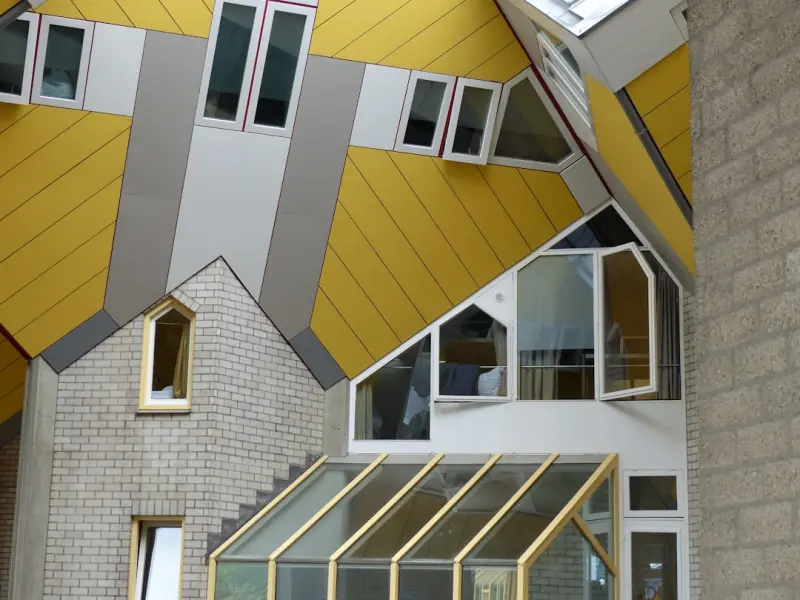
Elevate Your Home: Transforming Roofs into Outdoor Sanctuaries
Explore the journey of turning an ordinary roof into a vibrant outdoor retreat, blending design, gre... Read More
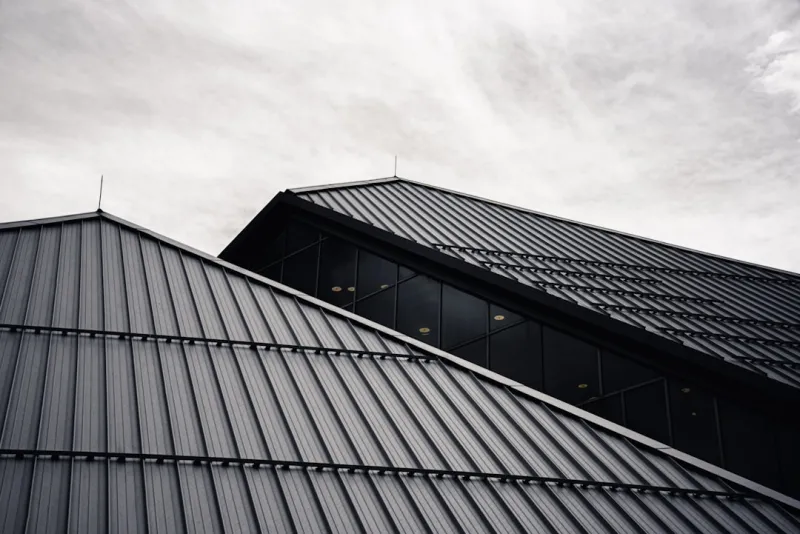
The Future of Roofing: Eco‑Smart Solutions for Modern Homes
Explore how innovative roofing materials, smart tech, and sustainable design combine to create ecoâ€... Read More

Green Roofs: Transforming Commercial Roofing into Living Assets
Explore the business case for green roofs, from thermal regulation and stormwater retention to ROI, ... Read More
Top Posts
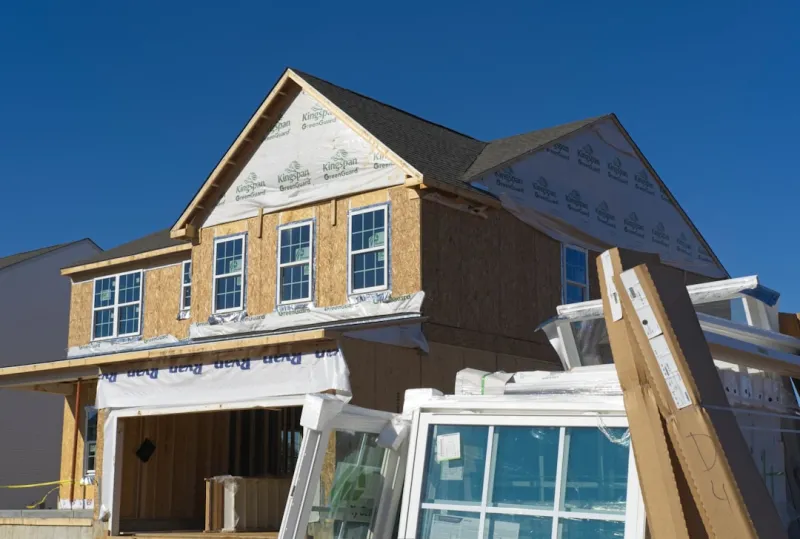
The Evolution of Home Construction: Trends, Innovations, and Best Practices
The home construction industry is evolving rapidly, driven by advancements in technology and changing consumer preferences. Learn about the latest trends, innov...Read More
Why Duct Cleaning Should Be a Cornerstone of Your Facility’s Maintenance Strategy
Regular duct cleaning is more than a cleaning chore—it’s a strategic maintenance move that boosts indoor air quality, reduces energy consumption, and protec...Read More
The Insider’s Guide to Insulation: Turning Your Home into a Sustainable Sanctuary
Unlock the power of insulation with expert tips on material selection, climate‑specific strategies, and budget‑friendly upgrades that transform any house in...Read More
Eco‑Friendly Drywall: Sustainable Materials, Healthier Homes
Explore sustainable drywall choices, eco‑friendly installation methods, and future bio‑based trends that create healthier, low‑impact living spaces....Read More
0 Comments
Post Comment
You will need to Login or Register to comment on this post!