
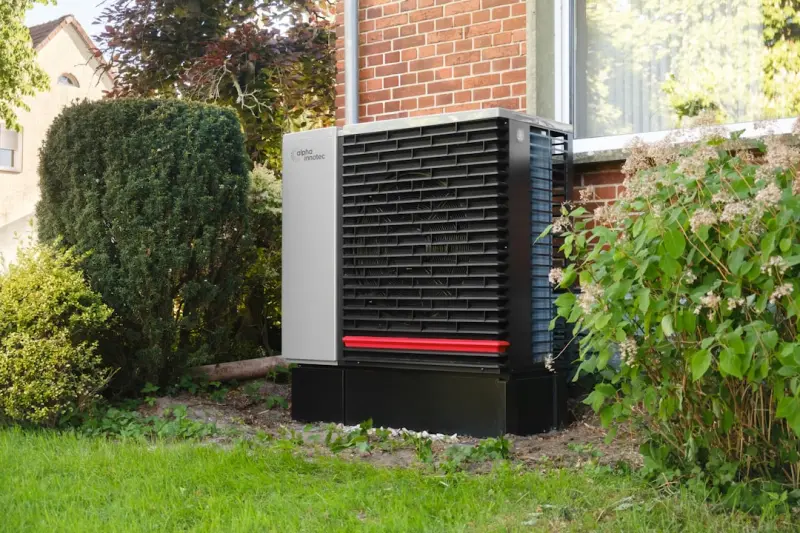
Why Heat Recovery Is the Quiet Game‑Changer in Modern HVAC
When most building managers think about upgrading their heating and air‑conditioning infrastructure, the first things that come to mind are high‑efficiency furnaces, variable‑speed blowers, or the latest smart thermostat. What rarely surfaces in that checklist is heat recovery—the process of capturing waste thermal energy and redirecting it where it’s needed most. In commercial spaces, where heating, cooling, and ventilation run 24/7, even a modest boost in energy reuse can translate into dramatic cost savings, lower carbon footprints, and a more comfortable indoor climate.
From Waste to Resource: The Science Behind Heat Recovery
Every HVAC system creates waste heat, whether it’s the exhaust from a boiler, the surplus warmth from a cooling coil, or the temperature differential in a ventilation stream. Traditional systems simply dump this heat to the outside, ignoring an untapped resource. Heat recovery technologies—such as heat recovery ventilators (HRVs), energy recovery ventilators (ERVs), and run‑around coils—use heat exchangers to transfer that energy from the exhaust air to the incoming fresh air.
- HRVs excel in colder climates by pre‑warming incoming air without mixing it with the stale exhaust.
- ERVs retain both heat and moisture, making them ideal for temperate zones where humidity control is crucial.
- Run‑around coils circulate a fluid loop between two coils, moving heat from one airstream to another without direct air contact.
The result? A system that does double duty—maintaining indoor air quality while shaving off a significant portion of the heating load.
The Business Case: Dollars, Emissions, and Occupant Comfort
Let’s break down the three pillars that matter most to facility owners:
- Operating Costs – By reclaiming 30‑60% of the heat that would otherwise be lost, buildings can cut fuel consumption dramatically. For a medium‑sized office building, that could mean thousands of dollars saved each year.
- Carbon Footprint – Lower fuel burn directly reduces CO₂ emissions. In regions with strict ESG reporting, heat recovery can be the differentiator that pushes a project into the “green” tier.
- Occupant Comfort – Consistent indoor temperatures and balanced humidity levels improve productivity and health, a factor increasingly linked to employee retention.
When you combine these benefits, the ROI often falls within a 3‑5 year window, even before accounting for potential incentives or rebates from local utilities.
Integrating Heat Recovery With Existing Smart Controls
One of the biggest myths about heat recovery is that it requires a full system overhaul. In reality, modern controllers can weave heat‑recovery modules into legacy HVAC setups with minimal disruption. Imagine a building that already uses a cloud‑based building management system (BMS). By adding a heat‑recovery ventilator that speaks the same protocol (BACnet, Modbus, or even a simple API), the BMS can:
- Monitor real‑time temperature differentials and automatically adjust the fan speed for optimal heat exchange.
- Schedule pre‑heating of incoming air during low‑occupancy periods, leveraging cheaper off‑peak electricity.
- Provide analytics dashboards that illustrate how much heat is being reclaimed daily.
This seamless integration means you can start capturing waste heat without a massive capital outlay, and you retain the flexibility to scale as your building’s needs evolve.
Case Study: A Mid‑Rise Office Building Turns Waste Into Savings
Consider a 12‑story office tower in the Pacific Northwest. The building’s original HVAC system relied on a single‑stage gas boiler and a conventional VAV (variable air volume) system. After installing an ERV paired with the existing BMS, the building achieved:
- 25% reduction in natural gas consumption during the heating season.
- Improved indoor humidity control, cutting complaints about “dry air” by half.
- Annual CO₂ savings equivalent to planting 150 trees.
The project’s success hinged on a few key decisions: selecting an ERV sized correctly for the building’s airflow, ensuring the BMS could modulate the ERV’s fan based on outdoor temperature, and conducting a thorough commissioning phase to fine‑tune the control curves. The result was a win‑win for the landlord’s bottom line and the tenants’ comfort.
Design Considerations: Sizing, Placement, and Maintenance
Heat recovery isn’t a “set‑and‑forget” technology. To reap maximum benefits, designers must account for a few critical variables:
- Airflow Matching – The supply and exhaust fans must be balanced. An oversized ERV can cause excessive pressure drops; an undersized unit won’t capture enough heat.
- Climate Suitability – In humid climates, an ERV’s ability to retain moisture can prevent condensation issues, whereas an HRV might be more efficient in dry, cold zones.
- Maintenance Access – Heat exchangers accumulate dust over time. Regular filter changes and coil cleaning preserve efficiency. For those looking to deepen their maintenance strategy, the article Why Duct Cleaning Is the Unsung Hero of Healthy Buildings offers practical tips.
By embedding these considerations early in the design phase, you avoid costly retrofits and ensure the system runs at peak performance for its entire lifespan.
Future‑Proofing: Pairing Heat Recovery With Renewable Energy
Heat recovery shines brightest when paired with renewable sources. Imagine a building that installs a solar PV array on its roof. During sunny days, excess electricity powers the HVAC fans, while the ERV captures waste heat from the cooling coil to pre‑heat incoming fresh air. At night, the system can draw from a battery bank, maintaining comfort without firing up the boiler.
This synergy not only maximizes the return on your solar investment but also smooths out demand spikes on the grid—a growing concern as more buildings adopt electrified heating. In fact, many municipalities now offer “grid‑interactive” incentives for projects that demonstrate load shifting capabilities, and heat recovery can be a pivotal component of that strategy.
Smart Energy Audits: Knowing Where Your Heat Is Going
Before committing to a heat‑recovery solution, conduct a detailed energy audit. Modern audit tools can map out temperature gradients, airflow patterns, and heat loss points with a precision that was impossible a decade ago. For building owners interested in holistic energy management, the guide Unplugged Power: Simple Hacks to Stop Energy Vampirs at Home provides a starter checklist that can be adapted for commercial settings.
Key audit steps include:
- Measuring exhaust air temperature and humidity during peak operation.
- Quantifying the temperature difference between outdoor air and indoor supply air.
- Identifying zones with the highest heating demand to prioritize heat‑recovery placement.
Armed with this data, you can size your ERV or HRV with confidence, ensuring you capture the maximum possible heat without over‑engineering the solution.
Beyond the Building Envelope: Heat Recovery for District Energy
While most discussions focus on a single building, heat recovery can scale to district‑level networks. In urban campuses or mixed‑use developments, waste heat from a commercial kitchen, data center, or even a large‑scale refrigeration system can be harvested and fed into a central heating loop. This approach reduces the need for multiple boilers and creates a resilient, low‑carbon energy backbone.
Implementing district‑wide heat recovery requires coordinated planning, shared control platforms, and clear agreements on heat ownership. However, the payoff—significant reductions in overall fuel use and a robust backup heating source—makes it a compelling option for forward‑thinking developers.
Overcoming Common Misconceptions
Despite its advantages, heat recovery still battles a few myths:
- “It’s too expensive.” – Upfront costs are offset by rapid payback periods, especially when you factor in utility incentives.
- “It only works in extreme climates.” – Even moderate temperature differentials can be harvested; modern ERVs achieve efficiencies above 80% in temperate zones.
- “It complicates the system.” – When integrated with a capable BMS, heat recovery becomes an invisible, self‑optimizing component.
Addressing these misconceptions early in stakeholder meetings can pave the way for smoother approvals and stronger buy‑in.
Action Plan: Bringing Heat Recovery Into Your Next Project
Ready to explore heat recovery for your building portfolio? Follow this three‑step roadmap:
- Assess – Conduct a thorough energy audit (see the Creating a Weather‑Resistant Home article for audit methodologies that translate well to HVAC).
- Design – Work with an HVAC engineer to select the appropriate heat‑recovery technology, size it correctly, and ensure compatibility with your existing BMS.
- Implement & Optimize – Install the system, commission it with detailed performance testing, and set up ongoing monitoring to fine‑tune controls for maximum efficiency.
By treating heat recovery not as an afterthought but as a core design element, you position your building to thrive in a low‑carbon future while delivering tangible financial returns.
Conclusion: The Quiet Power of Waste Heat
Heat recovery is more than a buzzword; it’s a practical, proven pathway to smarter, greener, and more cost‑effective HVAC operation. As buildings become more data‑driven and sustainability metrics take center stage, the ability to capture and reuse waste thermal energy will separate the industry leaders from the laggards. Embrace the technology, align it with your smart controls, and watch the invisible savings add up—one degree at a time.

David MacKinnon is a dynamic freelance writer known for his captivating storytelling and keen insights into the world of technology. With a passion for exploring the intersection of innovation and everyday life, he crafts engaging narratives that not only inform but also inspire his readers.
Related Posts

Predictive HVAC: Turning Climate Control into a Competitive Advantage
Predictive HVAC shifts climate control from reactive fixes to data‑driven optimization, delivering... Read More

Staying Cozy: How Modern Insulation Materials Can Transform Your Home's Comfort
Insulation plays a critical role in keeping your home cozy and energy bills in check. Learn about th... Read More
How Smart HVAC Choices Protect Your Health and Wallet
A fresh look at HVAC: learn why smart thermostats, zoning, and regular maintenance safeguard health,... Read More
Top Posts

The Intersection of Home Security and Sustainability: A New Era for Home Alarm Systems
The intersection of home security and sustainability is an exciting and rapidly evolving field. Learn how sustainable home alarm systems can provide enhanced se...Read More
Reinventing Drywall: Modular, Smart, and Sustainable Solutions
A deep dive into modular drywall systems that cut waste, embed IoT sensors, and use recycled gypsum, showing how walls can become active, data‑driven componen...Read More

Revamping Your Home's Aesthetic: A Comprehensive Guide to Interior Design
Discover the art of interior design and learn how to revamp your home's aesthetic with our expert guide. Get inspired and create a space that's truly yours....Read More

The Subscription Kitchen: How Modular Design Is Redefining Home Cooking
Discover how modular, subscription‑style kitchen upgrades are transforming the heart of the home into a flexible, sustainable space that adapts to your evolvi...Read More
0 Comments
Post Comment
You will need to Login or Register to comment on this post!