
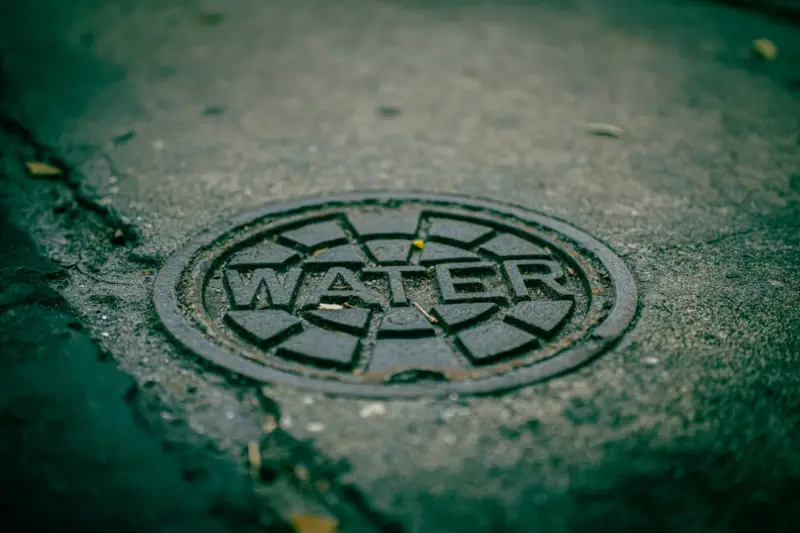
Why Waterproofing Needs a Data Upgrade
When I first stepped onto a construction site, the biggest question after laying a foundation was simple: Will this stay dry? Decades later, the answer is still the same, but the tools we use to get there have evolved dramatically. The era of “apply a coating and hope for the best” is over. Today, waterproofing is becoming a data‑rich discipline, powered by tiny sensors, cloud analytics, and a new class of sustainable membranes. If you’ve ever chased a hidden leak through a maze of drywall, you’ll understand why turning moisture into actionable information feels like discovering a secret superpower.
The Hidden Cost of Ignoring Moisture Data
Moisture isn’t just an aesthetic nuisance—it’s a silent killer of building performance and occupant health. A single undetected leak can:
- Reduce structural integrity, leading to costly repairs.
- Foster mold growth, which triggers asthma attacks and chronic sinus issues.
- Corrode electrical systems, creating fire hazards.
- Drive up energy consumption as HVAC units work harder to compensate for damp insulation.
When you quantify these impacts, the ROI of proactive waterproofing jumps from “nice‑to‑have” to “mission‑critical.” Yet, many owners still rely on periodic visual inspections—a practice that’s akin to checking the health of a patient only when they cough.
IoT Sensors: The New Eyes in the Wall
Enter the Internet of Things (IoT). Modern moisture sensors are compact, battery‑operated, and can be embedded directly into concrete, drywall, or waterproofing membranes. They continuously measure:
- Relative humidity.
- Temperature differentials.
- Water potential (the tendency of water to move through materials).
These devices transmit data to a cloud platform where algorithms flag anomalies in real time. A sudden spike in humidity in a basement wall, for example, triggers an alert that a maintenance crew can investigate before a full‑scale flood occurs.
What’s truly revolutionary is the ability to track trends over the life of a building. Seasonal patterns, roof drainage performance, and even the effectiveness of a newly applied membrane become visible on a dashboard. The data tells a story—one that tells you exactly when and where to intervene.
Predictive Analytics: From Reactive Repairs to Proactive Prevention
Data alone is powerful, but pairing it with predictive analytics turns waterproofing from a defensive tactic into a strategic advantage. Machine‑learning models ingest years of moisture readings, weather data, and building usage patterns to forecast the likelihood of a breach within the next 12 months.
Imagine receiving a notification that “Wall Section B‑12 has a 78% probability of moisture ingress within 30 days due to rising groundwater levels.” Armed with that insight, a facilities manager can schedule a targeted membrane reinforcement before the problem materializes, saving thousands in emergency repair costs.
This approach mirrors the predictive permit intelligence discussed in Predictive Permit Intelligence, where data accelerates decision‑making. In waterproofing, the payoff is less downtime, lower insurance premiums, and healthier indoor environments.
Sustainable Waterproofing Materials Meet Technology
While sensors and analytics are the brain, the membrane is the body. The industry is shifting toward materials that are both high‑performance and environmentally responsible. Some notable innovations include:
- Bio‑based polymers: Derived from soy or lignin, these coatings reduce reliance on petrochemicals while delivering excellent water repellency.
- Recycled rubberized membranes: Crumb rubber from tires is blended into EPDM sheets, offering superior elasticity and a lower carbon footprint.
- Self‑healing cementitious layers: Embedded microcapsules release sealing agents when cracks form, extending service life without manual intervention.
When these sustainable membranes are paired with IoT sensors, you get a feedback loop: the sensor confirms the membrane’s performance, while the data justifies the material’s higher upfront cost by proving its longevity.
Case Study: A Mid‑Rise Office Building Goes Live
Last year, a 12‑story office tower in the Midwest retrofitted its waterproofing strategy using a combination of IoT sensors and a bio‑based membrane. Here’s how the project unfolded:
- Baseline Survey: Engineers installed 150 moisture sensors throughout the foundation, parking garage, and exterior curtain wall. The data captured a year of seasonal fluctuations.
- Material Selection: After analyzing the moisture profile, they chose a soy‑based elastomeric coating for the foundation slab, citing its low VOC emissions and proven water resistance.
- Implementation: Sensors were embedded beneath the coating, creating a “smart skin.” The system streamed data to a centralized dashboard accessible to the building’s FM team.
- Analytics & Action: Six months in, the dashboard highlighted a subtle humidity rise near a service elevator shaft. A quick inspection revealed a minor pipe leak, which was fixed before any water penetrated the membrane.
- Results: Over the next 18 months, the building recorded a 30% reduction in moisture‑related maintenance tickets and saved an estimated $120,000 in avoided repairs.
For a deeper look at how smart membranes are redefining durability, check out Smart Waterproofing Solutions. The case study illustrates that technology doesn’t replace good craftsmanship—it amplifies it.
Integrating Waterproofing Data with Existing Building Systems
Modern facilities management platforms already aggregate data from HVAC, lighting, and security. Adding moisture metrics creates a more holistic view of building health. For example:
- HVAC Optimization: If a sensor detects high humidity in a zone, the system can increase dehumidification to prevent condensation on ducts.
- Energy Management: Correlating moisture spikes with energy spikes helps identify inefficiencies caused by damp insulation.
- Space Utilization: Areas flagged for chronic moisture can be prioritized for re‑use or redesign, avoiding future tenant complaints.
This integration echoes the concepts in Creating a Weather‑Resistant Home, where smart systems work together to protect the envelope. The key difference here is that waterproofing data becomes a proactive controller rather than a passive observer.
Best Practices for Deploying IoT‑Enabled Waterproofing
Transitioning to a data‑driven waterproofing strategy isn’t as simple as slapping a sensor on a wall. Follow these guidelines to ensure success:
- Start Small, Scale Fast: Pilot the technology in a high‑risk area (e.g., a basement or parking level) before rolling it out building‑wide.
- Choose Sensors with Proven Longevity: Look for devices rated for at least a 10‑year lifespan and sealed against the very moisture they monitor.
- Standardize Data Protocols: Use open standards (like MQTT or CoAP) to avoid vendor lock‑in and to enable seamless integration with existing BMS platforms.
- Train Your Team: Maintenance staff should understand how to interpret alerts and calibrate sensors periodically.
- Plan for Power: Battery‑operated sensors are common, but consider energy‑harvesting options (thermal gradients, solar) for hard‑to‑reach spots.
- Document Everything: Keep a digital log of sensor locations, firmware versions, and maintenance actions. This documentation becomes invaluable during audits or insurance assessments.
Future Trends: From Reactive to Self‑Healing Buildings
Looking ahead, the line between waterproofing and structural health monitoring will blur even further. Emerging technologies include:
- Nanotube‑Infused Membranes: Conduct electricity to power embedded sensors, creating a self‑sustaining monitoring network.
- AI‑Driven Decision Engines: Platforms that not only predict failures but also generate automated work orders and procurement requests.
- Blockchain‑Based Warranty Tracking: Immutable records of membrane performance, allowing owners to claim warranty benefits with confidence.
These innovations will make it possible for a building to heal itself—detecting a crack, releasing a sealing agent, and confirming the fix—all without human intervention.
Conclusion: Embrace the Data, Protect the Structure
Waterproofing is no longer a “set it and forget it” task. By embedding sensors, leveraging predictive analytics, and selecting sustainable membranes, you transform a reactive maintenance chore into a strategic advantage. The payoff is measurable: lower repair costs, healthier indoor air, and a greener carbon footprint.
If you’re ready to turn your building’s envelope into a living, learning system, the first step is simple—audit your current waterproofing approach, identify high‑risk zones, and start gathering moisture data. The insights you gain will pay dividends for the lifespan of the structure.

Tom Ferguson is a Canadian freelance writer with a passion for storytelling, current events, and thoughtful commentary. Drawing on years of writing experience, he shares engaging insights on a wide range of topics, bringing a uniquely Canadian perspective to his work.
Related Posts
Mastering Modern Waterproofing: Sustainable Solutions for a Dry Home
Explore how modern, sustainable waterproofing methods—from breathable membranes to smart sensorsâ€... Read More
Beyond the Leak: A Practical Guide to Sustainable Home Waterproofing
Learn why waterproofing is essential for healthy homes, explore green materials, DIY tips, and futur... Read More
Reviving Old Walls: Modern Waterproofing Tactics for Historic Homes
Learn how breathable membranes, nanotech coatings, and smart maintenance keep historic homes dry, he... Read More
Top Posts

Reimagining Building Foundations for a Sustainable Future
Foundations are the hidden heroes of any building; this post reveals how low‑carbon mixes, micro‑scale weatherproofing, and intelligent sensor networks can ...Read More

Mastering the Human Side of General Contracting: Relationships, Data, and Continuous Growth
A fresh look at general contracting that puts people, real‑time data, and ongoing learning at the core of every successful build....Read More

The Intersection of Plumbing and Sustainable Home Restoration
Plumbing plays a critical role in sustainable home restoration. Learn how to adopt eco-friendly plumbing solutions, conserve water, and reduce energy consumptio...Read More

When Countertops Get Smart: How Embedded Tech Is Redefining the Heart of the Home
Smart countertops are evolving from static slabs into interactive platforms that sense, react, and predict, offering health, energy, and design benefits while p...Read More
0 Comments
Post Comment
You will need to Login or Register to comment on this post!