

The Evolution of Roofing: Sustainable Solutions for a Greener Tomorrow
As the world becomes increasingly aware of the importance of sustainability, the roofing industry has undergone a significant transformation. Gone are the days of traditional roofing materials and methods, which often prioritized functionality over environmental responsibility. Today, homeowners and builders are seeking sustainable roofing solutions that not only protect the home but also minimize its carbon footprint. In this article, we will explore the evolution of roofing and the sustainable solutions that are revolutionizing the industry.
The Environmental Impact of Traditional Roofing
Traditional roofing materials, such as asphalt shingles and metal roofing, have been the standard for decades. However, these materials have a significant environmental impact. Asphalt shingles, for example, are made from non-renewable resources and contribute to landfill waste. Metal roofing, while recyclable, often requires significant energy to produce. Furthermore, traditional roofing methods often prioritize functionality over energy efficiency, leading to increased energy consumption and greenhouse gas emissions. As concern for the environment grows, the roofing industry has been forced to adapt and innovate.
The Rise of Sustainable Roofing Materials
In response to growing environmental concerns, sustainable roofing materials have emerged as a viable alternative to traditional materials. Sustainable roofing materials, such as solar tiles, green roofs, and recycled rubber roofing, offer a range of benefits, including energy efficiency, reduced waste, and improved durability. Solar tiles, for example, harness the power of the sun to generate electricity, reducing the home's reliance on non-renewable energy sources. Green roofs, on the other hand, provide insulation and habitat for local wildlife, while also mitigating the urban heat island effect.
The Importance of Energy Efficiency in Roofing
Energy efficiency is a critical component of sustainable roofing. A well-insulated roof can significantly reduce energy consumption, lowering the home's carbon footprint and energy bills. Insulation plays a crucial role in maintaining a comfortable indoor temperature, reducing the need for heating and cooling. Additionally, energy-efficient roofing materials, such as reflective roofing and cool roofing, can reflect solar radiation, reducing the home's cooling needs. By prioritizing energy efficiency, homeowners can create a more sustainable and cost-effective living space.
The Role of Roofing in Sustainable Home Design
Roofing plays a critical role in sustainable home design. A sustainable roof can integrate seamlessly with other sustainable design elements, such as sustainable electrical solutions and eco-friendly building materials. By considering the roof as part of a holistic sustainable design, homeowners and builders can create a home that minimizes its environmental impact. Sustainable roofing solutions can also enhance the home's aesthetic appeal, providing a unique and eco-friendly design feature.
The Benefits of Sustainable Roofing
The benefits of sustainable roofing are numerous. Sustainable roofing materials and methods can:
- Reduce energy consumption and greenhouse gas emissions
- Minimize waste and landfill contributions
- Improve durability and extend the roof's lifespan
- Enhance the home's aesthetic appeal and value
- Provide a healthier and more comfortable living space
The Future of Roofing: Trends and Innovations
The future of roofing is exciting and rapidly evolving. Trends and innovations in sustainable roofing include:
- Increased adoption of solar tiles and green roofs
- Development of new sustainable roofing materials, such as recycled plastic roofing
- Integration of roofing with other sustainable design elements, such as wind turbines and rainwater harvesting systems
- Growing demand for energy-efficient and reflective roofing materials
Conclusion
The evolution of roofing has led to a new era of sustainable solutions that prioritize environmental responsibility and energy efficiency. As homeowners and builders continue to seek eco-friendly options, the roofing industry will continue to innovate and adapt. By embracing sustainable roofing materials and methods, we can create a greener, more sustainable future for generations to come.
Take the First Step Towards Sustainable Roofing
If you're considering a new roof or sustainable home design, take the first step towards a greener tomorrow. Research sustainable roofing materials and methods, consult with experts, and explore innovative solutions. Together, we can create a more sustainable and environmentally responsible future.
Additional Resources
For more information on sustainable roofing and home design, explore the following resources:

David MacKinnon is a dynamic freelance writer known for his captivating storytelling and keen insights into the world of technology. With a passion for exploring the intersection of innovation and everyday life, he crafts engaging narratives that not only inform but also inspire his readers.
Related Posts

Green Roofs: Transforming Commercial Roofing into Living Assets
Explore the business case for green roofs, from thermal regulation and stormwater retention to ROI, ... Read More
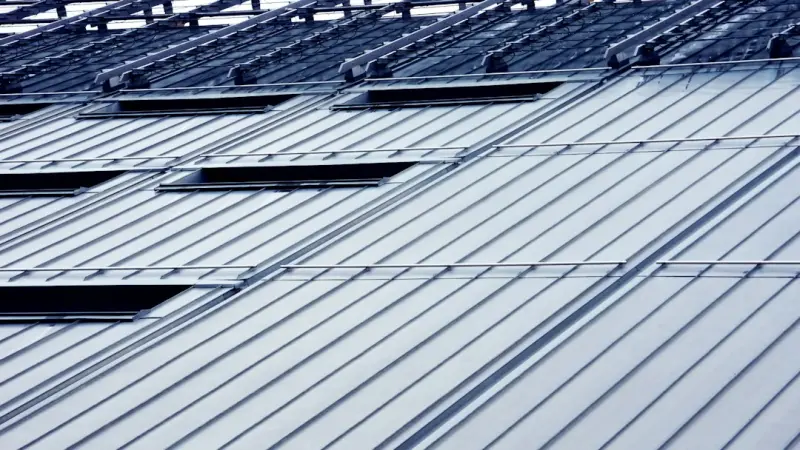
Why Cool Roofs Are the Unsung Heroes of Energy Efficiency
Cool roofs reflect sunlight and emit heat, lowering indoor temperatures and energy use. Learn how th... Read More
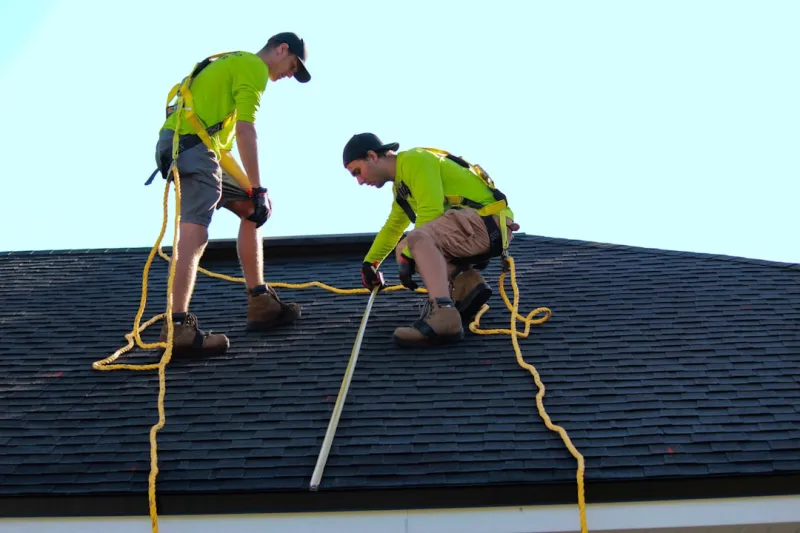
The Role of Roofing in Sustainable Home Restoration
Sustainable roofing plays a critical role in home restoration, energy efficiency, and environmental ... Read More
Top Posts
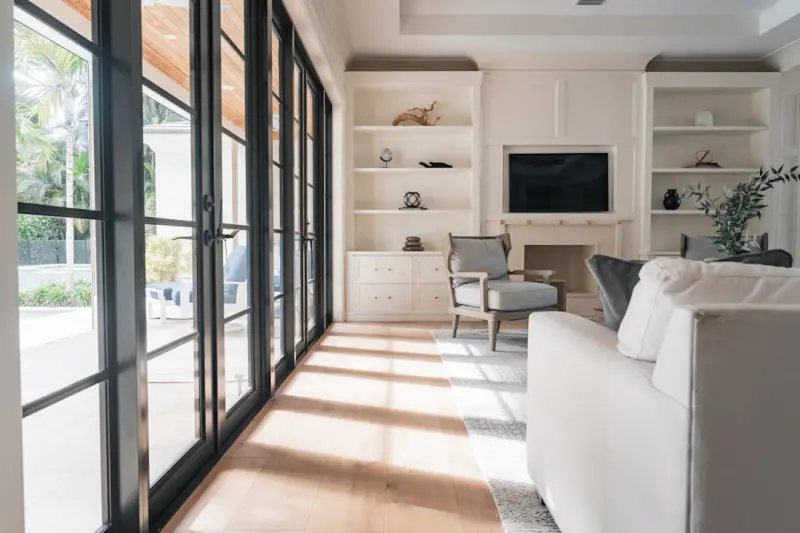
Weatherproofing Your Home Without Sacrificing Style: A Practical Guide
Discover a comprehensive, design‑forward approach to weatherproofing that blends smart materials, integrated sensors, and strategic landscaping, ensuring your...Read More

Why Subscription‑Based Appliance Repair Is the Future for Growing Businesses
Traditional pay‑per‑visit repairs drain budgets and cause unexpected downtime. This article explains how subscription‑based appliance repair offers predic...Read More

From Garden Border to Personal Canvas: Rethinking Fencing for Modern Living
Explore how to turn a simple fence into a sustainable, smart, and artistic statement that reflects your personality and protects your space....Read More

Beyond Aesthetic: How Next‑Gen Windows & Doors Elevate Building Performance
A deep dive into how modern windows and doors, with dynamic glazing, smart security, acoustic mastery, and sustainable sourcing, are becoming strategic assets t...Read More
0 Comments
Post Comment
You will need to Login or Register to comment on this post!