

Reimagining the Front Yard: From Showpiece to Food Source
When I first stepped onto my neighbor’s immaculate lawn, I felt a pang of envy mixed with a whisper of doubt—could a yard ever be both beautiful and productive? I chose to answer that question by swapping ornamental shrubs for heirloom tomatoes, dwarf apple trees, and a kale border, and the transformation was startling: the space erupted with scent, color, and the promise of fresh meals, proving that a garden can be a living pantry without sacrificing curb appeal.
Attracting Life: Planting for Bees, Butterflies, and Birds
One of the most rewarding aspects of edible landscaping is the ripple effect on local wildlife; by intermixing nectar‑rich flowers like lavender, coneflower, and bee balm among vegetables, I created a pollinator highway that turned my yard into a buzzing sanctuary, boosting fruit set and seed production while delighting the eye. The result is a self‑reinforcing ecosystem where every blossom supports a bee, every bee supports a fruit, and every fruit feeds the family—an elegant loop of abundance.
Water Wisdom: Drought‑Resilient Techniques That Save Money
Living in a climate where rain can be fickle taught me to harvest every drop, so I installed shallow rain gardens, terraced swales, and permeable gravel paths that capture runoff and feed the soil directly, reducing the need for supplemental watering; pairing these features with native grasses and succulents creates a resilient carpet that thrives on minimal irrigation. For those looking to squeeze the most out of every storm, integrating smart gutter monitoring can alert you when a heavy downpour is about to replenish your underground reservoirs, turning a simple rain event into a strategic water‑budget boost.
Smart Soil and Irrigation: Tech That Takes the Guesswork Out
Modern landscaping isn’t just about plants; it’s also about data, and I equipped my beds with wireless soil‑moisture sensors that ping my phone when the top inch dries below a preset threshold, allowing me to water precisely when needed and avoid wasteful over‑watering that can drown roots. Coupled with a Wi‑Fi‑enabled drip system, the technology orchestrates a silent rhythm of hydration, ensuring that lettuce stays crisp, strawberries stay juicy, and the underground microbiome stays thriving, all while cutting my water bill in half.
Seasonal Succession: Keeping the Harvest Coming Year‑Round
To avoid the dreaded “gap” between summer tomatoes and fall carrots, I mapped out a succession plan that layers cool‑season crops beneath warm‑season giants, planting radishes and lettuce under the shade of corn in spring, then swapping to beans and zucchini as the sun climbs, and finally sowing garlic and kale for winter’s bounty; each cycle feeds the soil with different root structures and leaf litter, enriching organic matter naturally. For raised beds that need extra support, consider the foundation principles from when foundations speak to ensure your structures stay level and durable through seasonal shifts.
Beauty in Function: Color, Texture, and Structure
Edible gardens need not be utilitarian; by selecting varieties with striking foliage—such as purple‑leaf kale, variegated chard, and ornamental pepper plants—I weave a tapestry of hues that rivals any ornamental bed, while the vertical intrigue of trellised beans and espaliered fruit trees adds architectural interest without crowding the ground. The key is to think in layers: low‑lying herbs form a fragrant carpet, mid‑height greens provide a visual bridge, and tall vines crown the scene, delivering both visual drama and a harvest ladder.
Low‑Maintenance Practices: Mulch, Compost, and Reclaimed Materials
Keeping a productive garden low‑maintenance starts with a thick blanket of organic mulch—straw, shredded bark, or even coffee grounds—to suppress weeds, retain moisture, and slowly feed the soil as it breaks down, turning the bed into a living compost bin that feeds itself. When building raised beds or garden edging, I turned to reclaimed materials like salvaged barn wood and old pallets, which not only reduce waste but also add a weathered charm that blends seamlessly with the natural surroundings.
Putting It All Together: A Step‑by‑Step Action Plan
Begin by sketching a layout that zones your yard into edible zones, pollinator corridors, and water‑capture features; then test your soil, amend with compost, and install moisture sensors before planting the first seeds, ensuring each plant has a companion that supports its growth. As the season unfolds, monitor water use, prune for airflow, and rotate crops annually, allowing the garden to evolve organically while you reap the rewards of fresh produce, vibrant wildlife, and a landscape that feels both intentional and effortless.
Why This Matters: The Bigger Impact on Community and Climate
Beyond the personal joy of picking a ripe strawberry from a backyard bush, edible landscaping stitches together food security, biodiversity, and climate resilience, creating micro‑climates that cool neighborhoods, sequester carbon in thriving root systems, and inspire neighbors to follow suit; the collective effect is a greener, healthier community where each garden becomes a tiny but powerful act of stewardship. By embracing this approach, we transform ordinary yards into living laboratories that teach, feed, and protect, proving that sustainable design can be both beautiful and bountiful.

Kelly Reynolds is a dynamic freelance writer hailing from the picturesque landscapes of Alberta. A master of the written word, she juggles her passion for storytelling with the exhilarating chaos of being a mother to five spirited children. With an impressive portfolio that spans various genres, Kelly captivates readers through her engaging blog posts and thought-provoking articles.
Related Posts

Edible Landscapes: Turning Lawns into Kitchen Gardens
Explore the rise of edible landscaping, a design approach that converts ordinary lawns into thriving... Read More
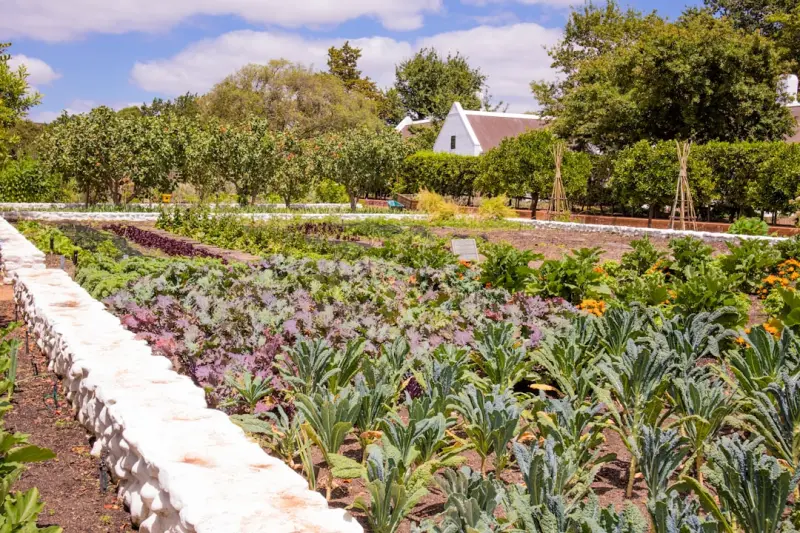
Harvesting Value: How Edible Landscaping Transforms Commercial Spaces
Edible landscaping turns corporate courtyards and rooftops into productive gardens that cut catering... Read More

Seasonal Storytelling in Landscape Design: Crafting Gardens That Change With You
Discover a fresh approach to landscaping that treats gardens as living stories, using seasonal plant... Read More
Top Posts

Warmth Beneath the Past: Retrofitting Historic Buildings with Underfloor Heating
This article explores the unique challenges and solutions for installing underfloor heating in historic buildings, highlighting preservation‑friendly techniqu...Read More

Backyard Structures: Turning Sheds & Gazebos Into Profitable Mini‑Enterprises
Explore a fresh business model that repurposes garden sheds and gazebos into pop‑up shops, craft workshops, or micro‑fulfillment hubs, complete with design ...Read More

From Dusty Heirloom to Modern Marvel: My Journey in Furniture Restoration
I breathe new life into forgotten furniture, turning heirloom tables and chairs into contemporary statements—sharing the tools, techniques, and stories behind...Read More
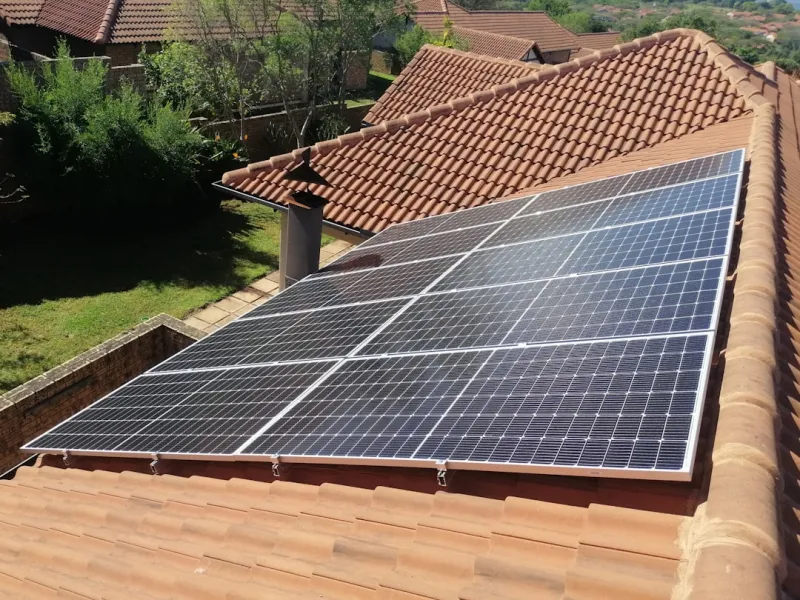
The Role of Energy Inspections in Sustainable Home Renovations
Energy inspections play a crucial role in sustainable home renovations, guiding homeowners toward eco-friendly choices and reduced energy consumption. Learn mor...Read More
0 Comments
Post Comment
You will need to Login or Register to comment on this post!