

When you look at a perfectly manicured lawn, the first thing that usually comes to mind is neatness, uniformity, and a splash of green that frames a house. What if that same green could also feed your family, support pollinators, and cut your grocery bill? Welcome to the world of edible landscaping—a movement that is reshaping how homeowners think about outdoor space.
Why Edible Landscapes Are Gaining Momentum
Several forces are converging to make edible landscaping more than just a niche trend. Climate uncertainty has highlighted the value of localized food production, while urban dwellers increasingly crave a tangible connection to the food they consume. At the same time, the desire for sustainable, low‑maintenance yards is pushing homeowners to reconsider the traditional grass‑only model. The result is a growing chorus of voices advocating for yards that are beautiful, functional, and productive.
From Aesthetic to Functional: Redefining the Lawn
The classic lawn has long been a symbol of suburban pride, but it comes with hidden costs: water usage, mowing fuel, and the need for chemical fertilizers. By integrating food‑producing plants, you replace a portion of that expense with a return on investment that you can harvest. Imagine stepping out onto a patio surrounded by rosemary, lavender, and dwarf fruit trees that not only smell delightful but also provide fresh herbs and fruit throughout the season.
Key Principles for Designing an Edible Landscape
- Site Analysis: Assess sunlight exposure, soil type, and drainage. Most edible plants thrive in full sun (6‑8 hours), but shade‑tolerant varieties like kale and strawberries can fill in darker corners.
- Layering: Mimic natural ecosystems by stacking plant heights—groundcovers, mid‑height shrubs, and canopy trees. This creates a resilient environment that suppresses weeds and conserves moisture.
- Diversity: Plant a mix of perennials (e.g., rhubarb, asparagus), annuals (e.g., tomatoes, beans), and biennials (e.g., carrots) to ensure year‑round harvests and reduce pest pressure.
- Soil Health: Incorporate organic matter, compost, and mulches. Healthy soil is the foundation of a productive edible garden and reduces the need for synthetic inputs.
- Water Management: Use drip irrigation, rain barrels, and strategic mulching to minimize water waste and promote deep root growth.
Choosing the Right Plants for Your Climate
Every region has its own set of climate‑adapted edibles. In temperate zones, fruit‑bearing shrubs such as currants and gooseberries perform well, while Mediterranean climates favor olive trees, figs, and herbs like oregano and thyme. A good rule of thumb is to start with native or well‑adapted species—they're more likely to thrive with minimal intervention.
Integrating Edible Plants with Traditional Landscape Elements
Edible landscaping doesn’t have to abandon the visual appeal of conventional gardens. Here are some design tricks that blend food production with aesthetics:
- Edible Borders: Replace ornamental hedges with low‑growth berries (e.g., blueberries) or ornamental kale. They provide texture, color, and a harvest.
- Living Mulch: Plant clover or creeping thyme between stepping stones. These groundcovers suppress weeds, fix nitrogen, and add a pleasant scent.
- Ornamental Fruit Trees: Dwarf apple or pear trees can be pruned into topiaries, offering both structure and fruit.
- Container Gardens: Use stylish pots and raised beds for herbs and salad greens. Containers can be moved to catch the sun or protect against frost.
Case Study: Turning a Suburban Front Yard into a Food Forest
Take the example of a typical 30‑by‑50‑foot front yard in a mid‑Atlantic suburb. The homeowner replaced 50% of the grass with a layered food forest. The design included:
- Three dwarf apple trees spaced for easy pruning.
- A perimeter of blueberry bushes, providing seasonal color and fruit.
- Herb spirals featuring rosemary, sage, and mint, which double as visual focal points.
- Groundcover of low‑maintain strawberry plants that spill over walkways.
Within the first year, the yard produced over 30 lb of fresh fruit and herbs, while water usage dropped by 40% thanks to strategic mulching and drip irrigation. The homeowner reported higher satisfaction with the yard’s look and a noticeable boost in neighborhood interest.
Edible Landscapes and the Circular Economy
Integrating food production into your yard aligns perfectly with circular‑economy principles. Plant residues become compost, compost feeds the soil, and the soil nurtures the next crop cycle. This closed loop mirrors the ideas explored in Design‑Build Meets Circular Economy, where waste is minimized, and resources are continually repurposed. By viewing your landscape as a living system rather than a static backdrop, you unlock a sustainable rhythm that benefits both your pocket and the planet.
Technology Meets the Garden: Smart Soil Sensors
While the core of edible landscaping is low‑tech, modern tools can enhance efficiency. Soil moisture and nutrient sensors connected to smartphone apps provide real‑time data, allowing you to fine‑tune irrigation schedules and fertilization. This tech‑enabled approach reduces over‑watering and helps maintain optimal growing conditions without constant manual checks.
Economic Benefits Beyond the Harvest
The financial upside of an edible landscape isn’t limited to the produce you pick. Property values often rise when a yard demonstrates thoughtful, sustainable design. Potential buyers see the reduced maintenance costs, the aesthetic appeal, and the promise of a self‑sufficient lifestyle. Moreover, community perception improves, as neighbors admire the blend of beauty and utility.
Maintenance Made Simple
One common misconception is that edible gardens require constant, labor‑intensive care. In reality, a well‑designed edible landscape can be lower‑maintenance than a traditional lawn. Here’s how:
- Perennial Crops: Plants like asparagus and rhubarb produce year after year with minimal replanting.
- Mulch Layers: Thick mulches suppress weeds, retain moisture, and reduce the need for frequent weeding.
- Self‑Pruning Trees: Dwarf fruit trees are bred for compact growth, making pruning easier and less frequent.
- Integrated Pest Management (IPM): Diversity of plants attracts beneficial insects that naturally keep pests in check.
Community Impact: From Private Gardens to Shared Food Spaces
Edible landscaping can extend beyond the individual property. Homeowners associations and community groups are adopting shared fruit trees, berry hedges, and herb borders in common areas. This not only fosters a sense of community but also spreads the benefits of fresh, local produce. For inspiration on how public spaces can be reimagined, see the concepts discussed in Reimagining Commercial Spaces, where the focus is on transforming underutilized zones into vibrant, functional hubs.
Steps to Get Started
Ready to turn your lawn into a kitchen garden? Follow these practical steps:
- Map Your Space: Sketch the yard, noting sun patterns, existing structures, and drainage zones.
- Set Goals: Decide whether you want a small herb garden, a full food forest, or a mix of both.
- Choose Plants: Pick varieties suited to your climate and the amount of sunlight each area receives.
- Prepare Soil: Test pH, amend with compost, and add organic mulch.
- Install Irrigation: Set up drip lines or soaker hoses for efficient watering.
- Plant in Layers: Begin with canopy trees, add shrubs, then groundcovers.
- Monitor and Adjust: Use visual cues and, if desired, smart sensors to fine‑tune care.
- Harvest and Enjoy: Celebrate each season’s bounty and share the surplus with neighbors.
Common Pitfalls and How to Avoid Them
- Over‑ambitious Planting: Start small. Expanding gradually prevents overwhelm.
- Ignoring Soil Health: Skipping soil preparation leads to poor yields. Invest time in building organic matter.
- Neglecting Water Needs: Even drought‑tolerant plants need consistent moisture during establishment.
- Choosing Incompatible Species: Mix plants with similar water and light requirements to simplify care.
The Future of Edible Landscaping
As climate resilience becomes a priority, edible landscapes are poised to become a mainstream design element. Cities are already updating zoning codes to permit food‑producing trees in public plazas, and developers are marketing homes with “food‑first” yards as a premium feature. This shift mirrors broader sustainability narratives, where the line between consumption and production blurs, and every square foot of land is viewed as an opportunity to add value.
In short, the edible landscape is not just a garden—it's a statement about stewardship, creativity, and self‑reliance. By turning a conventional lawn into a living pantry, you contribute to a healthier planet, a healthier wallet, and a healthier community.

Craig Brett is a freelancer with a passion for the outdoors. His love for nature inspires his work, bringing authentic and engaging perspectives to projects related to outdoor activities, adventure, and environmental topics.
Related Posts

Seasonal Storytelling in Landscape Design: Crafting Gardens That Change With You
Discover a fresh approach to landscaping that treats gardens as living stories, using seasonal plant... Read More

From Grass to Gold: Monetizing Precision Landscaping in Commercial Spaces
Learn to transform ordinary lawns into revenue generators using soil moisture probes, drone analytic... Read More

The Benefits of Sustainable Landscaping: A Path to Environmental Stewardship
Sustainable landscaping is more than just a trend; it's a critical approach to maintaining a healthy... Read More
Top Posts

Predictive HVAC: Turning Climate Control into a Competitive Advantage
Predictive HVAC shifts climate control from reactive fixes to data‑driven optimization, delivering lower costs, healthier indoor air, and a sustainability edg...Read More

Circular Flooring: The Sustainable Edge Your Workspace Needs
Circular flooring transforms the floor from a passive expense into a strategic asset, offering lower total cost of ownership, health benefits, and measurable ca...Read More

Design‑Build Meets Circular Economy: Building for Tomorrow’s Resources
Explore a fresh design‑build approach that integrates circular economy tactics—from material inventories and digital twins to design for disassembly—offer...Read More
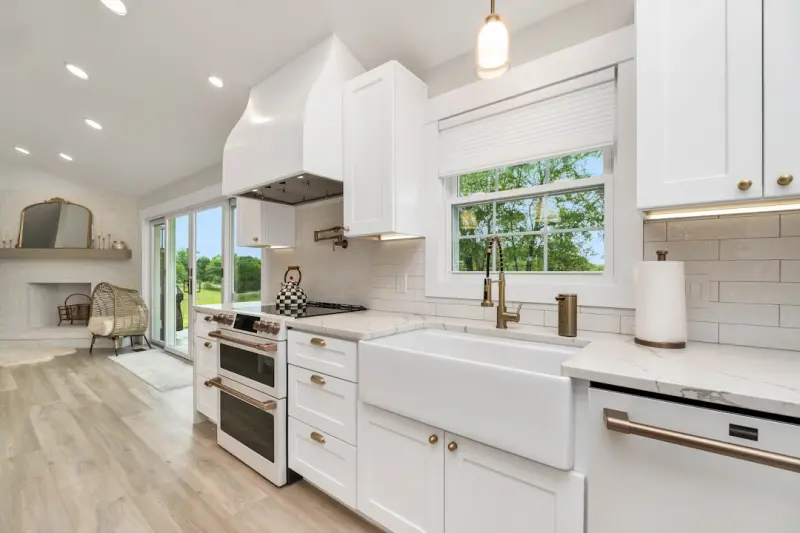
The Kitchen as a Storytelling Canvas: Renovation Ideas That Engage All Senses
A kitchen renovation isn’t just about cabinets and appliances; it’s about crafting a space that engages the senses, tells a story, and adapts to changing ne...Read More
0 Comments
Post Comment
You will need to Login or Register to comment on this post!