
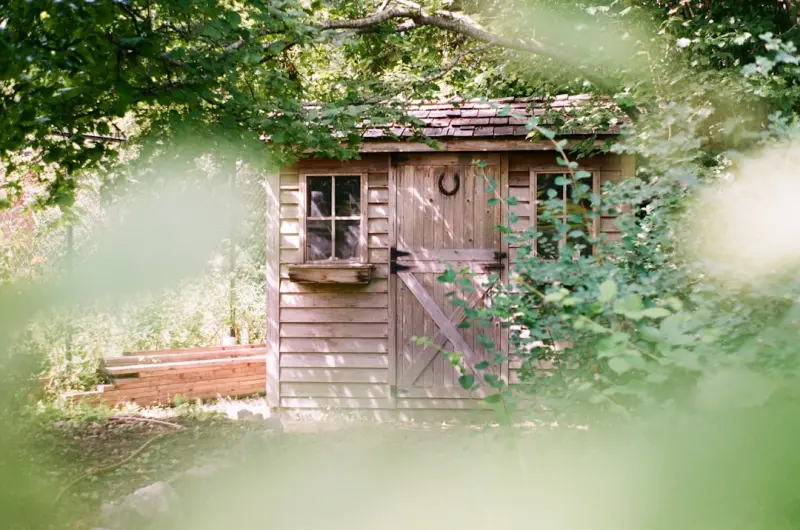
Why Sheds Deserve a Second Life
When I first inherited a modest wooden shed from my grandparents, I saw a dusty closet for tools, not a space with potential. Over a weekend of cleaning, I realized that the shed could become more than a storage unit—it could be a personal sanctuary that reflects my passions. Turning a forgotten structure into a vibrant room not only boosts curb appeal but also adds functional square footage without a major construction project. The transformation is as much about mindset as it is about materials, and the process invites creativity at every turn.
Assessing the Core Structure Before You Dream
Before diving into paint swatches and furniture layouts, it’s essential to evaluate the shed’s foundation, walls, and roof for hidden weaknesses. A quick inspection for rot, moisture intrusion, or loose framing can save you weeks of rework later on. If the roof leaks, you’ll need to address that before you consider installing a cozy lighting scheme. This is where the weather‑proofing strategies from my earlier guide become invaluable, ensuring your new haven stays dry and comfortable year‑round.
Choosing a Purpose That Sparks Joy
Every successful shed makeover starts with a clear purpose that aligns with your lifestyle. Are you an avid painter who needs a bright studio? A remote‑worker seeking a quiet office away from household chatter? Perhaps a hobbyist gardener wants a potting bench with natural light. Defining the primary use guides decisions about insulation, electrical work, and interior design. By anchoring the project to a personal passion, you’ll stay motivated through the inevitable challenges that arise.
Insulation and Comfort: Making the Space Livable
Most garden sheds are built for occasional use, so they lack the insulation needed for comfort in colder months or heat in summer. Installing rigid foam panels on the interior walls and a reflective radiant barrier on the roof creates a thermal envelope without sacrificing interior space. Pair this with a low‑profile electric heater or a portable floor‑standing fan, and you’ll have a climate‑controlled room that feels inviting all year. Remember to seal gaps around doors and windows with weather‑stripping to maintain efficiency.
Lighting the Way to Inspiration
Good lighting can dramatically shift the mood of a small space. Combine layered illumination: ambient overhead LEDs, task lighting over work surfaces, and soft accent lamps for evenings of relaxation. Choose fixtures that complement the shed’s rustic character—think vintage filament bulbs or reclaimed metal sconces. For those who love a touch of technology, smart bulbs controlled via voice assistants add convenience without clutter.
Design Details That Elevate the Experience
Once the structural basics are in place, it’s time to add design elements that make the shed feel like an extension of your home. A reclaimed wood floor adds warmth, while a neutral paint palette expands the sense of space. Incorporate built‑in shelving to keep supplies organized, and consider a sliding barn door for a sleek, space‑saving entry. Adding a small window or skylight floods the interior with natural light, creating a connection to the garden outside.
Multi‑Purpose Flexibility: From Studio to Guest Retreat
One of the most rewarding aspects of a shed remodel is the ability to adapt the space as your needs evolve. Install modular furniture that can be reconfigured for a yoga session, a crafting workshop, or an overnight guest stay. A fold‑down Murphy bed, for example, provides a comfortable sleeping area without dominating the floor plan. By planning for flexibility now, you’ll avoid costly renovations later when life’s priorities shift.
Eco‑Friendly Touches for a Sustainable Sanctuary
Integrating sustainable materials not only reduces environmental impact but also adds character. Opt for reclaimed lumber for shelving, low‑VOC paints for better indoor air quality, and energy‑efficient LED lighting. If you have access to a rain barrel, you can install a small outdoor faucet for watering plants directly from the shed. These green choices resonate with homeowners who value stewardship while creating a healthier living environment.
Final Checklist Before You Open the Door
- Confirm structural integrity: no rot, stable foundation, sealed roof.
- Install insulation and a suitable heating/cooling solution.
- Set up layered lighting and choose energy‑efficient fixtures.
- Apply a cohesive color scheme and add personal décor touches.
- Incorporate flexible furniture for multiple uses.
- Implement sustainable materials and practices wherever possible.
- Test all electrical outlets and ensure safety compliance.
When each item on this list is checked, you’ll step into a space that feels both purposeful and inviting—a true sanctuary that began as a humble shed. The transformation not only adds functional square footage but also enriches your daily life with a dedicated area for creativity, work, or quiet reflection.

Kelly Reynolds is a dynamic freelance writer hailing from the picturesque landscapes of Alberta. A master of the written word, she juggles her passion for storytelling with the exhilarating chaos of being a mother to five spirited children. With an impressive portfolio that spans various genres, Kelly captivates readers through her engaging blog posts and thought-provoking articles.
Related Posts

Creating Eco-Friendly Outdoor Spaces: Sustainable Sheds and Gazebos
Learn how to create eco-friendly outdoor spaces with sustainable sheds and gazebos, reducing your en... Read More
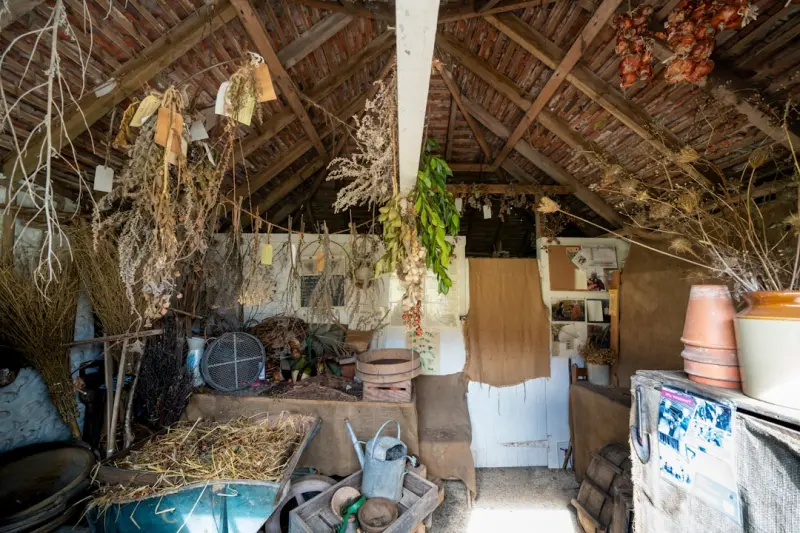
From Storage to Sanctuary: Reimagining Your Garden Shed as a Year‑Round Creative Retreat
Explore a step‑by‑step guide to redesigning a garden shed into a comfortable, multifunctional sa... Read More
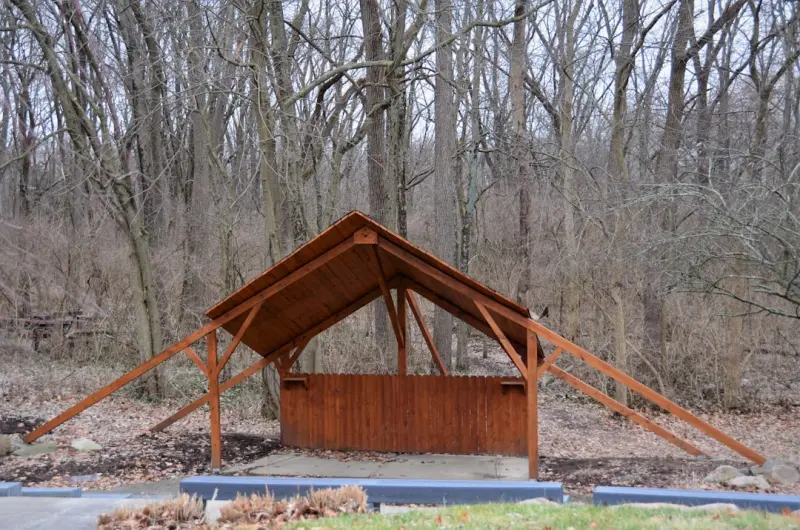
Sheds & Gazebos: Turning Outdoor Structures into Agile Innovation Pods
Sheds and gazebos aren’t just garden accessories—they can become low‑cost, brand‑centric inn... Read More
Top Posts
The Countertop Revolution: Hybrid Surfaces, Smart Tech, and Sustainable Style
Explore the rise of hybrid countertops, their performance benefits, eco‑friendly credentials, and how smart sensors are turning kitchen surfaces into interact...Read More

Garage Doors as Data Hubs: Turning Entryways into Revenue Engines
Modern garage doors are evolving into data-driven assets that boost security, cut downtime, and create new revenue streams—learn the strategies to turn a simp...Read More

The Importance of Construction Permits: A Comprehensive Guide
Construction permits are official documents that grant permission to commence construction on a project. Learn about the importance of permits, the process of o...Read More

Why Your Pipes Need a Sustainable Overhaul
A veteran contractor shares practical, sustainable plumbing upgrades—from leak detection to smart fixtures—that reduce waste, lower bills, and future‑proo...Read More
0 Comments
Post Comment
You will need to Login or Register to comment on this post!