
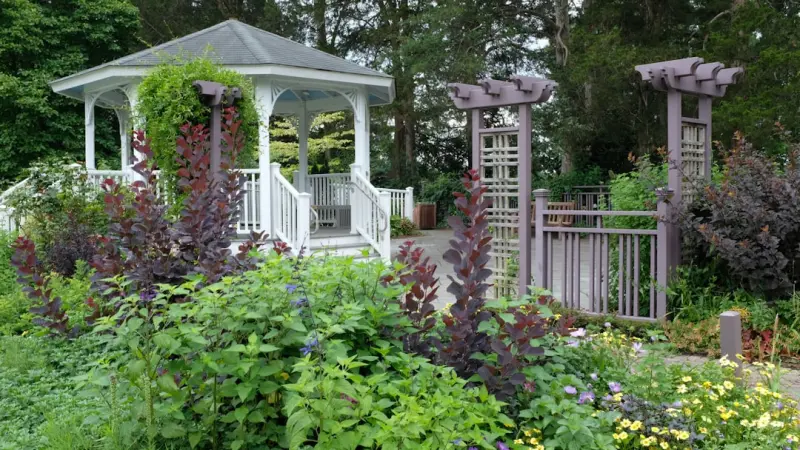
Welcome to a New Kind of Backyard Oasis
When I first set up a modest garden shed, I never imagined it would become the centerpiece of my seasonal sanctuary, a place where morning coffee meets evening stargazing without a single thought of the weather outside. Over the years, I’ve learned that a simple gazebo can evolve into a year‑round comfort hub with the right blend of thoughtful design, modular upgrades, and sustainable systems. This guide walks you through the process of transforming that open‑air structure into a fully functional retreat that welcomes you in summer heat, winter chill, and everything in between.
Understanding Climate: The Foundation of a Year‑Round Gazebo
The first step is to assess the micro‑climate of your backyard, noting wind patterns, sun exposure, and precipitation trends that will dictate the type of enclosure and insulation you’ll need. A strategic layout that positions the gazebo to capture prevailing sunlight in winter while offering shade in summer can dramatically reduce heating and cooling demands, especially when paired with passive solar techniques. By mapping these natural forces early, you set a solid groundwork that informs every subsequent upgrade, ensuring that comfort isn’t an afterthought but an integrated design principle.
Modular Shed Extensions: Adding Space Without Overhauling the Structure
One of the most versatile ways to expand a gazebo’s functionality is by attaching a modular shed construction that slides seamlessly into the existing frame, offering enclosed walls, storage, or a small kitchenette on demand. These prefabricated modules lock together like giant building blocks, allowing you to customize the footprint, height, and interior layout without the need for a full‑scale renovation. The beauty of this approach lies in its reversibility—when the season changes, you can simply detach the module, returning the space to its airy, open‑air charm while still retaining the option to re‑attach whenever you crave extra insulation or privacy.
Insulation and Heating: Keeping the Chill at Bay
Effective insulation is the cornerstone of any year‑round outdoor space, and a gazebo is no exception; spray‑foam, rigid board, or even recycled denim batts can be tucked into the walls and roof to trap heat without sacrificing breathability. Pairing this with a low‑profile radiant floor heating system or a compact pellet stove provides gentle, evenly distributed warmth that feels natural and energy‑efficient. Remember to seal gaps around doors and windows with weatherstripping, as even the smallest drafts can undermine your heating efforts and lead to unnecessary energy consumption.
Sustainable Power and Water Management: Eco‑Friendly Enhancements
Integrating renewable energy sources not only reduces your carbon footprint but also ensures that your gazebo remains functional during power outages or off‑grid weekends. A modest solar panel array, positioned on the roof’s south‑facing side, can feed a battery bank that powers LED lighting, a small heater, or a USB charging hub for devices. Complement this with a rainwater collection system that routes runoff into a sealed tank, providing a sustainable water source for a portable sink or indoor plant irrigation, thereby closing the loop on energy and water use.
Smart Lighting and Ambiance: Setting the Mood All Year
Lighting can dramatically shift the perception of space, and with today’s smart LED technology, you can program color temperature, intensity, and schedules to match the time of day or your activity. Warm amber tones in the evening foster a cozy, intimate atmosphere, while cooler daylight hues in the morning boost alertness and productivity. Incorporating motion sensors and dimmers not only enhances convenience but also conserves energy, ensuring that illumination is always purposeful and never wasteful.
Multi‑Purpose Furniture: Flexibility Meets Function
Choosing furniture that folds, nests, or doubles as storage maximizes usable floor area, allowing you to transition from a dining nook to a yoga studio with a single rearrangement. Consider built‑in bench seating with hidden compartments for blankets, games, or gardening tools, and a collapsible workbench that can serve as a craft table, laptop station, or prep surface for outdoor meals. These adaptable pieces keep the space uncluttered, inviting you to use the gazebo for a variety of activities without the need for permanent, bulky furniture.
Maintenance and Longevity: Protecting Your Investment
Regular upkeep is essential to preserving the structural integrity and aesthetic appeal of your year‑round gazebo, especially when exposed to the elements. Apply a high‑quality, UV‑resistant sealant to wood components annually, and inspect metal brackets for corrosion, tightening or replacing as needed. For the roof, a durable, weather‑proof covering—such as the options highlighted in durable roofing solutions—can extend the lifespan of the shelter while providing additional insulation and water resistance.
Bringing It All Together: Your Personalized Outdoor Retreat
By thoughtfully combining modular extensions, robust insulation, renewable power, and smart design elements, you can turn a seasonal gazebo into a versatile, comfortable haven that welcomes you any day of the year. The journey from a simple shade structure to a fully equipped retreat is a rewarding blend of creativity, practicality, and sustainability, reflecting a lifestyle that values both outdoor connection and indoor comfort. Embrace the process, experiment with the suggestions that resonate most, and watch as your backyard transforms into a beloved sanctuary that serves as a backdrop for countless memorable moments.

David MacKinnon is a dynamic freelance writer known for his captivating storytelling and keen insights into the world of technology. With a passion for exploring the intersection of innovation and everyday life, he crafts engaging narratives that not only inform but also inspire his readers.
Related Posts
From Storage to Sanctuary: Reimagining Your Backyard Shed
Learn step‑by‑step how to repurpose a simple shed into a stylish, multi‑purpose sanctuary, ble... Read More
Reimagining Sheds & Gazebos: Micro‑Spaces That Boost Creativity, Wellness, and Sustainability
Learn to convert a modest backyard shed or gazebo into a purposeful micro‑space for remote work, c... Read More

From Backyard Hideaway to Business Booster: Turning Sheds & Gazebos into Micro‑Retail Hubs
Learn how to convert a backyard shed or gazebo into a low‑cost, high‑impact micro‑retail hub, ... Read More
Top Posts

Reimagining the Deck: Adaptive Materials, Smart Tech, and Sustainable Design
A deep dive into the next generation of decks, covering adaptive systems, eco‑friendly materials, solar integration, modular builds, and smart sensor technolo...Read More

Restoring Office Furniture: A Strategic Path to Sustainable Growth
Restoring office furniture isn’t just a DIY trend—it’s a strategic lever that reduces expenses, cuts carbon emissions, and reinforces brand values, turnin...Read More

Digital Twin Energy Inspections: Real‑Time Building Insight
A digital twin turns static energy inspections into a live, data‑driven dialogue, enabling real‑time optimization, ESG reporting, and tenant comfort—all w...Read More

The Evolution of Tree Care: Why Sustainable Practices Matter
Sustainable tree care practices are essential for maintaining a healthy environment and ensuring the longevity of our trees. Learn about the evolution of tree c...Read More
0 Comments
Post Comment
You will need to Login or Register to comment on this post!