

Why a Layered Weather‑Proof Strategy Beats One‑Size‑Fits‑All Fixes
When the wind starts to howl and the first drops of rain patter against the siding, the true test of a home’s resilience begins, and that resilience is rarely the result of a single upgrade. Seasonal weather proofing works best when you treat the building envelope like a series of overlapping shields—each layer catching what the previous one lets through. By thinking of your house as a series of intentional barriers—roof, walls, windows, doors, and foundation—you can prioritize interventions that deliver the biggest energy savings while keeping drafts and moisture at bay.
Sealing the Envelope: Air Leaks Are the Silent Energy Thieves
The first line of defense starts inside the walls, where even a tiny crack can let conditioned air escape and outside air sneak in, driving up heating bills and creating uncomfortable drafts. High‑quality caulk, expanding spray foam, and strategically placed weatherstripping form a breathable yet airtight barrier that keeps your indoor climate stable, and a quick walkthrough with a handheld blower will reveal the most egregious leaks. For those who love data‑driven decisions, a handheld thermal imaging camera can highlight hidden gaps behind trim and baseboards, turning guesswork into measurable improvement—a technique explored in depth in Thermal Imaging & Data Analytics.
Doors: More Than Just an Entry Point
Exterior doors often receive less attention than windows, yet they are a major conduit for drafts and moisture when not properly sealed. Installing door sweeps on the bottom and high‑quality compression weatherstripping around the frame creates a tight seal without compromising the door’s swing, and modern smart‑lock systems can even alert you to a door left ajar for more than a few minutes. Pairing these upgrades with a simple inspection of the threshold for rot or misalignment ensures that the entryway remains both secure and energy efficient throughout the year.
Windows: Balancing Light, Views, and Protection
While you may love the natural light streaming through your panes, untreated windows are often the most vulnerable spot for heat loss and water infiltration. Interior storm panels—removable acrylic sheets that snap into place during the coldest months—provide an extra layer of insulation without sacrificing the view, and low‑E coatings on new glazing reflect infrared heat while still allowing visible light. For design‑savvy homeowners, pairing these upgrades with decorative yet functional treatments can enhance both aesthetics and performance, a concept further explored in Beyond Shades: Crafting Window Treatments.
Attic and Roof Ventilation: The Unsung Heroes of Moisture Control
The space above your living area is a natural conduit for heat in the summer and cold in the winter, making proper ventilation crucial for preventing condensation and mold growth. Installing ridge vents, soffit vents, or powered attic fans creates a continuous airflow that expels humid air before it can settle on insulation. When combined with a well‑insulated roof deck, this approach maintains a balanced temperature gradient, reducing the risk of ice dam formation and extending the lifespan of your roofing materials.
Basement and Foundation: Guarding Against the Hidden Deluge
Even the most airtight home can suffer when water finds its way through the foundation, turning a dry cellar into a soggy nightmare during heavy rains. A reliable sump pump, backed by a battery‑operated secondary unit, can evacuate water before it reaches living spaces, while interior French drains channel seepage toward the pump for efficient removal. Complementary exterior grading and a perimeter waterproofing membrane provide the first line of defense, a strategy detailed in Sustainable Waterproofing.
Landscaping for Weather Resilience: Grading, Drainage, and Plant Choices
Thoughtful landscaping does more than please the eye; it redirects rainwater, reduces wind exposure, and creates microclimates that benefit your home’s envelope. Gentle slopes that guide runoff away from the foundation, rain gardens planted with deep‑rooted native species, and strategically placed windbreaks of evergreen shrubs all contribute to a healthier building envelope. By integrating these natural features into your property plan, you lessen the load on mechanical systems and protect structural components from long‑term wear.
Smart Sensors: The Digital Guardrails of Modern Weather Proofing
Technology now offers homeowners a proactive way to monitor moisture, temperature, and even air pressure in real time, sending alerts before small problems become costly repairs. Wireless humidity sensors placed in basements, crawl spaces, and attics can trigger dehumidifiers or ventilation fans automatically, while leak detection pads under appliances alert you to hidden pipe failures. When paired with a centralized home automation hub, these devices create an invisible safety net that keeps your home comfortable and dry, regardless of the weather outside.
Seasonal Maintenance Checklist: Turning Theory into Routine
All the upgrades in the world lose their value without a disciplined maintenance schedule that ensures each component performs at peak efficiency. Before the first frost, inspect caulk joints, test door sweeps, and clear attic vents of debris; after a summer storm, check the foundation for new cracks and verify that sump pumps are operational. By turning these tasks into a seasonal ritual, you embed weather proofing into the very rhythm of home ownership, making resilience a habit rather than a project.
Conclusion: Building a Home That Thrives in Any Climate
Weather proofing is less about chasing the latest gadget and more about constructing a cohesive system where each layer supports the next, creating a fortress that adapts to rain, wind, heat, and cold with minimal energy waste. By sealing leaks, fortifying doors and windows, ventilating attics, safeguarding basements, and leveraging smart sensors, you equip your home to stand strong against nature’s whims while enjoying lower utility bills and greater comfort. Embrace this layered approach, and you’ll discover that a resilient home isn’t a distant dream—it’s a practical, achievable reality.

William Roy is a freelance writer originally from Montreal who moved to Ottawa with his wife of 50 years to be closer to their grandkids. Alongside his writing, William has a passion for fishing.
Related Posts

Beyond the Caulking Gun: A Data‑Driven Blueprint for Weatherproofing Your Home
Learn a step‑by‑step, data‑driven approach to weatherproofing that uses micro‑climate sensor... Read More

Mastering Home Weather Proofing: A Sustainable, Smart Approach
A practical guide to weather proofing your home, blending smart tech, sustainable materials, and eas... Read More
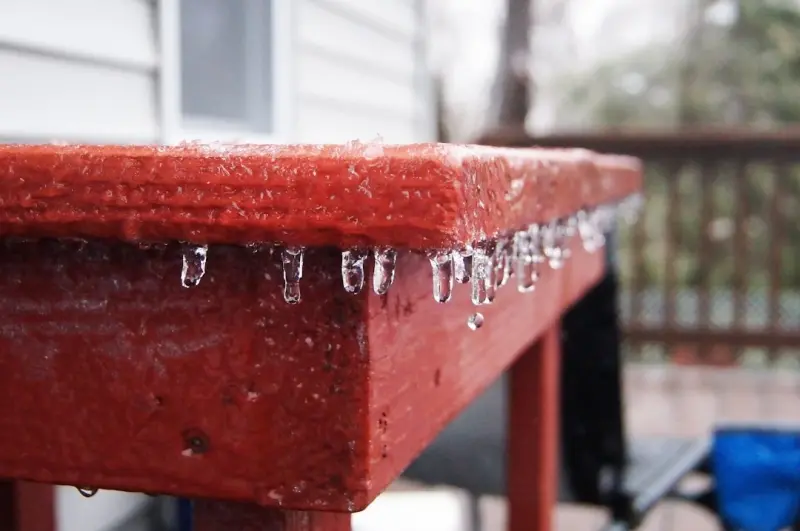
Seasonal Weatherproofing: A DIY Playbook for a Resilient Home
Learn how to fortify your house for every season with simple, cost‑effective measures—from windo... Read More
Top Posts

When Drywall Meets Design: Turning Walls into Smart, Sustainable Spaces
Discover the transformative potential of today’s drywall—from recycled gypsum and acoustic upgrades to embedded sensors and radiant heating—offering a sma...Read More
Layered Weather‑Proofing: Building a Home That Thrives in Any Climate
A practical, layered strategy to weather‑proof your home—seal, protect, and smart‑monitor each barrier for year‑round comfort and lower bills....Read More

Reviving Your Home's Former Glory: A Comprehensive Guide to Sustainable Home Restoration
Sustainable home restoration is about creating a living space that's not only beautiful but also sustainable and energy-efficient. Learn how to revive your home...Read More
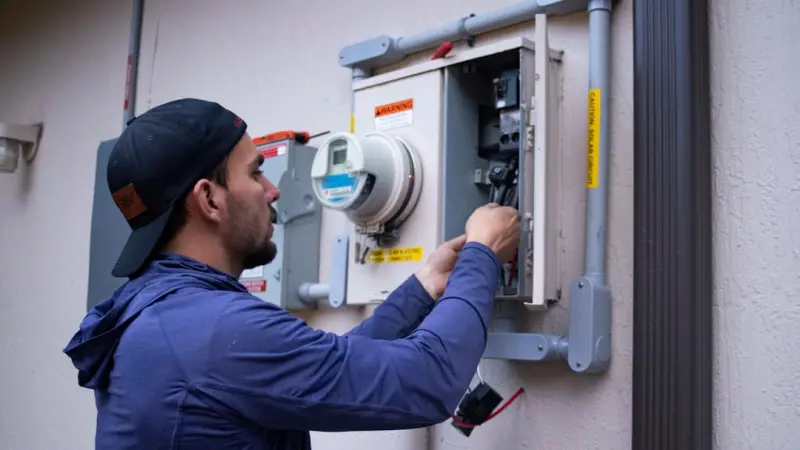
Beyond the Meter: How Real‑Time Energy Inspection Is Transforming Facility Management
Real‑time energy inspection replaces periodic audits with continuous, AI‑enhanced monitoring, delivering immediate savings, smarter retrofits, and stronger ...Read More
0 Comments
Post Comment
You will need to Login or Register to comment on this post!