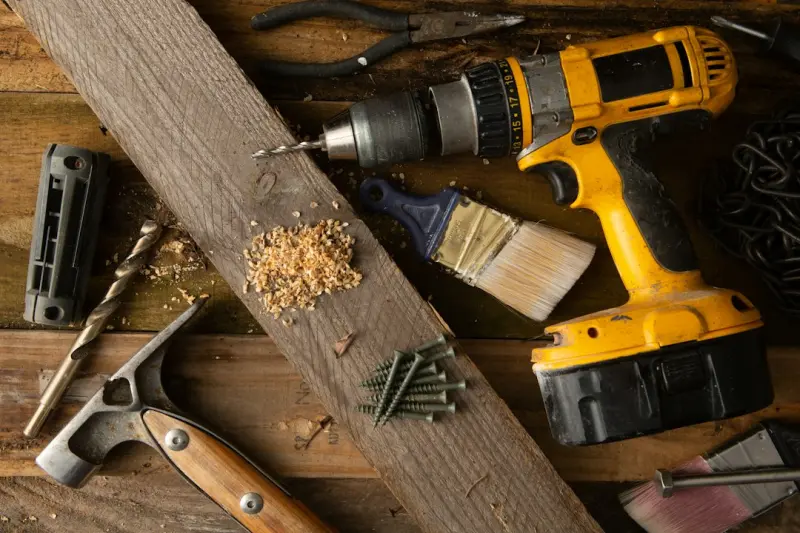
When I first grabbed a wrench at the age of twelve, I never imagined that my toolbox would one day double as a data hub. Today, as a handyman who’s learned to treat every job like a mini‑project manager, I’ve discovered that the real power behind a successful repair isn’t just a torque wrench or a perfectly cut pipe—it’s the blend of tech, sustainable habits, and a customer‑first mindset. In this post I’ll walk you through the strategies I use to stay ahead of the curve, from smart tool organization to eco‑friendly material choices, and show you how you can turn a simple service call into a revenue‑boosting, brand‑building experience.
1. The Digital Toolbox: Turning Your Gear into a Knowledge Base
Most handymen treat their tools as static assets: a drill, a set of sockets, a level. I treat them as dynamic data points. By tagging every piece of equipment with a QR code linked to a cloud spreadsheet, I can instantly see when a tool was last serviced, how many hours it’s logged, and even the average cost per use. This level of visibility does three things:
- Reduces downtime. If a cordless drill’s battery health dips below 80 %, the spreadsheet flags it for a swap before it fails on a job.
- Optimizes inventory. I never over‑stock cheap bits that I never use, and I know exactly when to order a premium torque wrench that’s in high demand.
- Boosts client confidence. When I show a homeowner the maintenance log for a newly installed faucet, they see the professionalism behind the repair.
Getting started is easy: print QR stickers, stick them on the handles, and scan them with a free app like Google Sheets or Airtable. Over time, the data you collect becomes a living manual for your business.
2. Scheduling Like a Pro: Mobile Apps That Actually Save You Money
In the past, I used a paper notebook to scribble appointments. One missed call, a double‑booked slot, and I lost both revenue and reputation. Switching to a dedicated scheduling platform (I’m a fan of The Future of Property Maintenance: Turning Data Into Action for its robust API) gave me instant access to:
- Real‑time availability. Clients can see open windows and book themselves, which reduces back‑and‑forth emails.
- Geofencing alerts. The app knows when I’m within a 5‑mile radius of a job, prompting me to prep the right tools before I even step out the door.
- Automated invoicing. Once a job is marked complete, the system generates a professional invoice and even sends a follow‑up satisfaction survey.
The result? A 20 % increase in billable hours and a 15 % reduction in missed appointments. For a handyman operating solo, that translates to a healthier bottom line and happier clients.
3. Sustainable Materials: The Quiet Profit Center
Clients are increasingly asking for “green” solutions. While many assume eco‑friendly equals pricey, the truth is that thoughtful material selection can actually cut costs. Here are a few swaps I’ve made that keep the planet—and the wallet—happy:
- Reclaimed wood for trim and shelves. Not only does it add character, but it often costs less than brand‑new lumber.
- Low‑VOC (volatile organic compounds) paints. These finish faster, meaning less downtime on a paint job, and they improve indoor air quality—a selling point for families with children.
- Thread‑locking tape instead of new fasteners. When fixing a loose cabinet hinge, a strip of high‑quality tape can replace a metal screw that would otherwise be wasted.
By documenting these choices in my post‑job report, I create a story that clients love to share—turning a routine repair into a referral engine.
4. Upcycling: Turning Scraps Into Cash
Every handyman has a pile of “leftover” material: a half‑cut pipe, a few broken tiles, or a set of mismatched drawer pulls. Instead of tossing them, I treat the pile as a micro‑store. I’ve turned a broken wooden pallet into a set of rustic wall shelves that sold for double the cost of a new commercial shelf. Here’s my quick process:
- Assess value. Can the item be repaired or repurposed? If yes, note it.
- Document. Photograph the item and add it to my inventory list with a suggested retail price.
- Offer as an add‑on. When I’m on a job, I suggest the upcycled piece as a “custom solution” for an extra fee.
This approach not only reduces waste but also creates a niche service that differentiates me from other handymen who simply replace everything.
5. Safety Gear Evolution: From Hard Hats to Wearable Tech
Safety has always been a cornerstone of my work, but the tools we use to stay safe are evolving. A few years ago, a simple pair of safety glasses was enough. Today, I wear a lightweight smart helmet that syncs with my phone to log exposure to loud noises and detect if I’ve entered a hazardous zone. The helmet’s built‑in Bluetooth also connects to my voice assistant, letting me keep my hands free for the job at hand.
While the upfront cost is higher, the ROI is clear: fewer injuries, lower insurance premiums, and a reputation for professionalism that attracts higher‑value clients.
6. Building Trust Through Transparent Communication
One of the biggest differentiators between a handyman and a contractor is perception. Clients often fear hidden costs and vague timelines. I counter this by:
- Providing a detailed scope. Before I start, I send a PDF outlining each step, the materials, and the exact cost.
- Live video updates. For larger jobs, I record a short video walkthrough at the start and send it to the client, showing progress each day.
- Post‑completion tutorials. After installing a new faucet, I give a quick 2‑minute video on how to clean the aerator and prevent clogs.
These practices reduce the “unknown” factor that often makes homeowners nervous, and they naturally lead to five‑star reviews.
7. Leveraging Smart Home Integration Without Overcomplicating
Smart home devices are booming, but many handymen shy away, fearing the learning curve. I’ve found a sweet spot: focus on the low‑hanging fruit that adds immediate value.
For example, integrating a smart garage door controller is a simple swap that can be done in under an hour. I pair it with a motion sensor that alerts the homeowner if the door remains open for too long—an easy win for safety and energy savings.
Other quick wins include installing Wi‑Fi‑enabled light switches and smart thermostats that can be programmed to reduce energy waste when the house is empty. By mastering a handful of these devices, I position myself as the go‑to person for all future upgrades, creating a pipeline of repeat business.
8. Pricing Strategies That Reflect Value, Not Just Labor
Many handymen price by the hour, which can undervalue expertise and overvalue time spent on paperwork. I’ve transitioned to a hybrid model:
- Flat‑rate “Package” pricing. For common tasks like “Bathroom Refresh” (replace faucet, install new vanity hardware, touch‑up paint), I quote a single price that includes parts, labor, and a 30‑day warranty.
- Tiered service levels. “Standard” includes basic repairs; “Premium” adds eco‑friendly material options and a post‑service maintenance guide.
- Upsell alerts. My scheduling app flags opportunities—for instance, if a client orders a faucet replacement, I suggest a water‑saving aerator as an add‑on.
This structure makes the quote transparent for the client and ensures I’m compensated fairly for expertise and preparation.
9. Continuous Learning: From YouTube to Certification
The handyman trade evolves fast. I allocate two hours each week to watch instructional videos on emerging tools, read industry blogs, and, once a quarter, enroll in a short certification course (e.g., “Advanced Plumbing Diagnostics”). This habit keeps my skill set sharp and gives me fresh talking points when I meet clients.
Moreover, sharing new knowledge on social media (a quick Instagram Reel of a new tool in action) builds credibility and attracts a tech‑savvy audience that’s willing to pay a premium for modern solutions.
10. Scaling Up: When to Bring a Partner Onboard
Eventually, the volume of work exceeds what one person can handle. The decision to hire isn’t just about taking more jobs; it’s about maintaining the quality and trust you’ve built. My checklist before onboarding a partner includes:
- Skill alignment. The new hire must be comfortable with the digital tools you rely on.
- Cultural fit. Emphasize the customer‑first philosophy from day one.
- Standard operating procedures (SOPs). Document everything—from how to scan a tool’s QR code to how to generate a post‑job report—so the team can stay consistent.
When you follow a structured onboarding process, you preserve the brand you’ve cultivated as a solo handyman while unlocking the ability to take on larger, more profitable projects.
Conclusion: The Handyman of Tomorrow Is Already Here
By merging traditional craftsmanship with data‑driven processes, sustainable material choices, and smart‑home know‑how, a handyman can transform from a “fix‑it‑person” into a trusted, tech‑savvy consultant. The key isn’t to chase every new gadget, but to select tools and practices that amplify efficiency, enhance client experience, and ultimately grow your bottom line.
If you’re ready to level up, start with one of the strategies above—whether it’s tagging your toolbox, adopting a scheduling app, or offering a simple smart‑home upgrade. Small changes compound, and before you know it, you’ll be the go‑to professional in your community for repairs that feel as modern as they are reliable.

Lifan Chen is a freelancer based in Toronto specializing in marketing. With expertise in crafting effective marketing strategies and campaigns, Lifan helps businesses grow their brand presence and reach target audiences. As a Toronto-based freelancer, Lifan combines local market insights with creative marketing skills to deliver tailored solutions for clients.
Related Posts
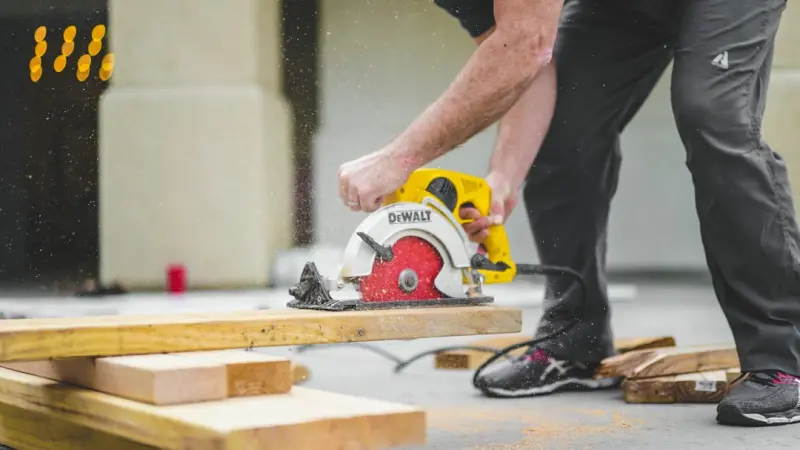
Subscription Handyman Services: Turning One‑Off Repairs into Ongoing Home Care
Handyman work is shifting from reactive fixes to subscription models, offering homeowners continuous... Read More

Building a Subscription Model for the Modern Handyman
A deep dive into why handymen should adopt subscription plans, covering tier design, pricing, tech t... Read More
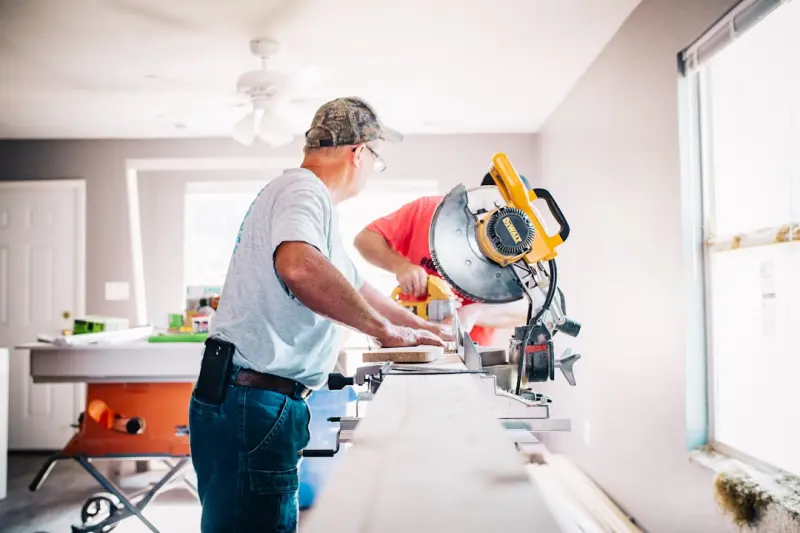
Pricing Your Handyman Services: A Practical Guide to Profitability
Discover a step‑by‑step approach to pricing handyman jobs, from breaking down costs and research... Read More
Top Posts
Unlocking Value: How Pre‑Construction Digital Twins Elevate General Contracting
A deep dive into how digital twins—dynamic, data‑driven replicas of construction projects—enable contractors to predict costs, avoid rework, and accelerat...Read More

Beyond the Thermostat: Uncovering Hidden Energy Waste
Modern energy inspection goes beyond insulation, using thermal cameras, smart sensors, and AI to pinpoint hidden loss. Learn the detective’s approach that sav...Read More

Modular Mastery: Rethinking Commercial Renovations for Agile Futures
A deep dive into how modular core systems, real‑time analytics, and intelligent finishes are transforming commercial renovations into agile, sustainable solut...Read More
The Next Generation of Insulation: From Passive Barriers to Intelligent Thermal Skins
Insulation is evolving from static R‑value barriers to intelligent, sensor‑rich systems that store heat, communicate with energy controls, and proactively i...Read More
0 Comments
Post Comment
You will need to Login or Register to comment on this post!