
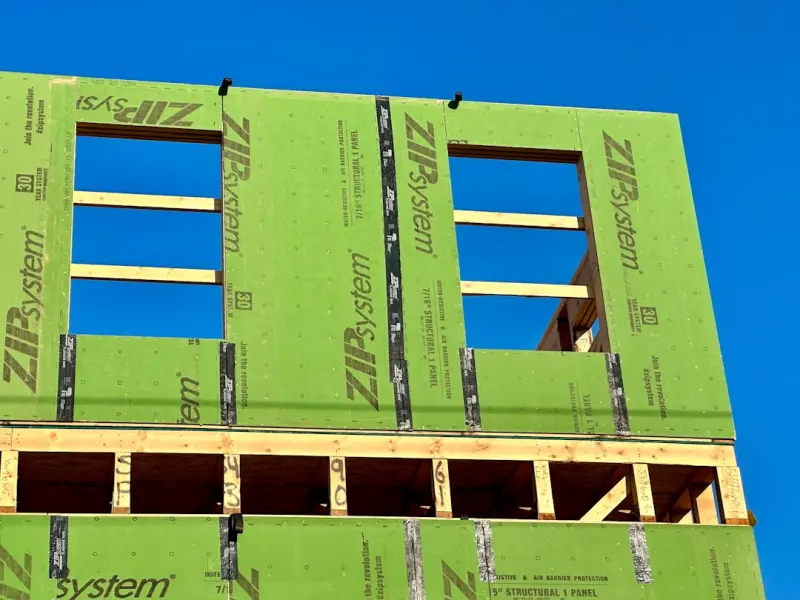
Why Insulation Deserves a Fresh Look
When I first started dabbling in building science, insulation was the quiet, background player—an invisible shield that kept heat where it belonged. Decades later, that quiet player has learned to speak, to sense, and even to adapt. In today’s climate‑conscious market, the old “blanket of fiberglass” narrative no longer satisfies the performance demands of modern structures. It’s time we treat insulation not as a static barrier but as an active component of a building’s intelligence.
From R‑Values to Dynamic Performance Metrics
For years, the industry has measured insulation success by a single number: the R‑value. While useful for baseline comparisons, R‑values ignore three critical realities:
- Temporal variation: Heat flow changes hour‑by‑hour, season‑by‑season.
- Occupant behavior: How people use space, open windows, or adjust thermostats directly impacts thermal loads.
- System integration: Insulation interacts with HVAC, lighting, and even renewable energy assets.
Modern insulation design now incorporates dynamic performance metrics—metrics that capture how a material behaves over time, how it reacts to humidity, and how it communicates with the building’s control systems.
Phase‑Change Materials: Turning Insulation into a Thermal Battery
One of the most exciting breakthroughs is the use of phase‑change materials (PCMs). These engineered compounds melt and solidify at specific temperatures, absorbing or releasing latent heat in the process. Imagine a wall that stores excess heat during a sunny afternoon and then releases it when the evening chill sets in. The result is a smoother indoor temperature curve and a reduced reliance on heating and cooling equipment.
PCMs can be integrated in several ways:
- Encapsulated beads mixed into loose‑fill insulation.
- Laminate panels that double as interior finishes.
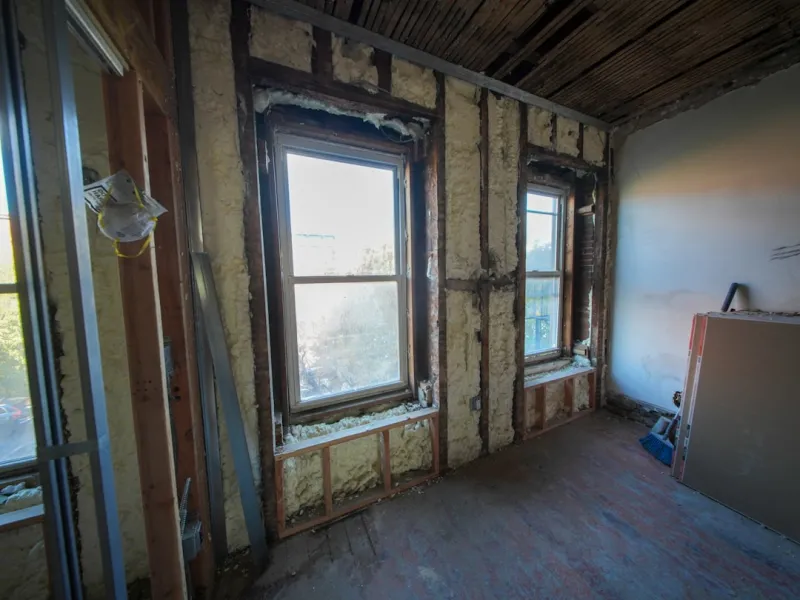
- Micro‑capsules embedded directly into spray‑foam formulations.
When paired with proper ventilation strategies, PCMs help mitigate thermal bridging and can even flatten peak demand spikes that traditionally drive up utility costs.
Embedding Sensors: The Birth of “Thermal Skin”
Insulation has always been passive. Today, it’s becoming a sensor‑rich skin. Tiny, low‑power temperature and moisture sensors can be woven into batts, foams, or even the backing of exterior sheathing. These sensors feed real‑time data to a building management platform, enabling predictive adjustments:
- Pre‑cooling a space before a heat wave hits.
- Activating dehumidification in a moisture‑laden envelope.
- Alerting maintenance teams to localized insulation failure before it becomes a comfort issue.
This granular visibility turns the envelope into a diagnostic tool, much like a doctor’s stethoscope, but for walls and roofs.
Integrating Insulation with Energy Management Systems
Intelligent insulation doesn’t exist in a vacuum. It thrives when linked to broader energy controls. For example, the adaptive electrical panels and on‑demand energy management ecosystem can modulate HVAC output based on the thermal storage state of PCM‑infused walls. When the panels detect a surplus of renewable generation—say, excess rooftop solar—they can signal the insulation system to store heat, effectively acting as a thermal buffer.
This symbiotic relationship creates a virtuous loop:
- Solar panels generate electricity.
- Adaptive panels allocate surplus power to heating elements embedded in the insulation.
- PCMs absorb the heat, reducing the need for future furnace cycles.
- When demand rises, the stored heat is released, trimming peak grid draw.
The payoff is twofold: lower energy bills and a smaller carbon footprint.
Case Study: A Retrofit That Learned
Last winter, a mid‑size office building in the Pacific Northwest underwent a full envelope upgrade. The project replaced old fiberglass batts with a hybrid system of spray foam mixed with micro‑encapsulated PCMs, and embedded a network of Bluetooth‑Low‑Energy temperature sensors throughout the walls. The building’s existing BMS (building management system) was upgraded to ingest this data.
Key outcomes after six months:
- Average heating demand dropped by 18 %.
- Peak cooling loads were shaved by 22 %, thanks to nighttime radiative cooling aided by PCM release.
- Maintenance crews detected a moisture intrusion in a roof cavity three weeks early, averting mold growth.
- Occupant satisfaction scores rose by 15 %, with fewer complaints about drafts.
The project underscores how insulation, when paired with data, becomes a proactive performance layer rather than a reactive afterthought.
Practical Steps for Homeowners and Facility Managers
Whether you manage a commercial portfolio or retrofit your own house, you can start harnessing intelligent insulation today:
- Audit your envelope. Use infrared thermography to locate thermal bridges and air leakage points.
- Choose the right material. For retrofits, consider PCM‑enhanced batts that fit existing cavity dimensions. For new construction, explore spray foam with integrated sensor pods.
- Integrate with a control platform. Even a simple smart thermostat that accepts external temperature data can begin to coordinate with your insulation’s sensor network.
- Monitor moisture. Leverage the same sensors to keep tabs on relative humidity, preventing condensation issues that can compromise insulation performance.
- Leverage existing services. The duct cleaning industry now offers combined airflow and temperature diagnostics that pair nicely with an intelligent envelope.
Future Outlook: The Convergence of Materials Science and AI
Looking ahead, we’ll see three converging trends that will push insulation from “smart” to “self‑optimizing”:
- AI‑driven predictive models: By feeding sensor data into machine‑learning algorithms, systems can forecast thermal loads weeks in advance, pre‑conditioning walls for optimal performance.
- Bio‑inspired materials: Researchers are mimicking the structure of polar bear fur and penguin feathers—materials that trap air while remaining flexible—to create next‑gen insulation that adapts its porosity on demand.
- Distributed energy storage: As battery costs fall, thermal storage (via PCMs) will be paired with electrical storage, creating hybrid buffers that smooth both heat and electricity demand.
The era where insulation is simply “stuff you put in a wall” is ending. It’s becoming a living, learning component of the building ecosystem—one that speaks to the HVAC, the solar array, and even the occupants, ensuring every watt and every degree is used wisely.
Takeaway: Treat Insulation as a System, Not a Subsystem
If you’ve ever treated insulation as a line‑item purchase, you’ve missed out on the strategic advantage it now offers. By selecting dynamic materials, embedding sensors, and tying the envelope to an intelligent energy platform, you unlock a cascade of benefits: lower operating costs, improved comfort, reduced carbon emissions, and a building that can anticipate its own needs.
In my experience, the most rewarding projects are those where the envelope isn’t an afterthought but the first participant in the design conversation. Give your insulation a voice, and you’ll hear the building tell you exactly what it needs—long before a thermostat ever gets the chance to complain.

David MacKinnon is a dynamic freelance writer known for his captivating storytelling and keen insights into the world of technology. With a passion for exploring the intersection of innovation and everyday life, he crafts engaging narratives that not only inform but also inspire his readers.
Related Posts

Beyond the Walls: Hidden Insulation Opportunities to Maximize Home Comfort
I’ve uncovered the secret insulation zones most homeowners ignore—floor joists, attic hatches, a... Read More
The Evolution of Insulation: How Modern Materials Are Changing the Game
Insulation has come a long way in recent years, with modern materials and technologies offering supe... Read More

Insulation Unlocked: Turning a Hidden Layer into a Strategic Advantage
Insulation isn’t just about R‑values; it’s a health shield, carbon reducer, and data‑rich as... Read More
Top Posts

Flooring Strategies for Multi‑Generational Homes: Safety, Comfort, and Style
A practical guide to choosing and maintaining flooring that meets the safety, health, and aesthetic needs of every family member in a multi‑generational home....Read More

Biophilic Design‑Build: Crafting Spaces That Breathe and Thrive
A deep dive into biophilic design‑build, showing how nature, smart sensors, and integrated teamwork create healthier, energy‑efficient buildings that enhanc...Read More
Electrify Your Workspace: Turning Power Into a Strategic Asset
A deep dive into making electricity a proactive, data‑driven advantage for modern workplaces, covering IoT sensors, modular architecture, and sustainability i...Read More
Weather‑Proof Your Home with Smart, Affordable Upgrades
Learn a layered, data‑driven approach to home weather‑proofing that blends DIY fixes, smart sensors, and adaptive technologies, helping you protect your hom...Read More
0 Comments
Post Comment
You will need to Login or Register to comment on this post!