
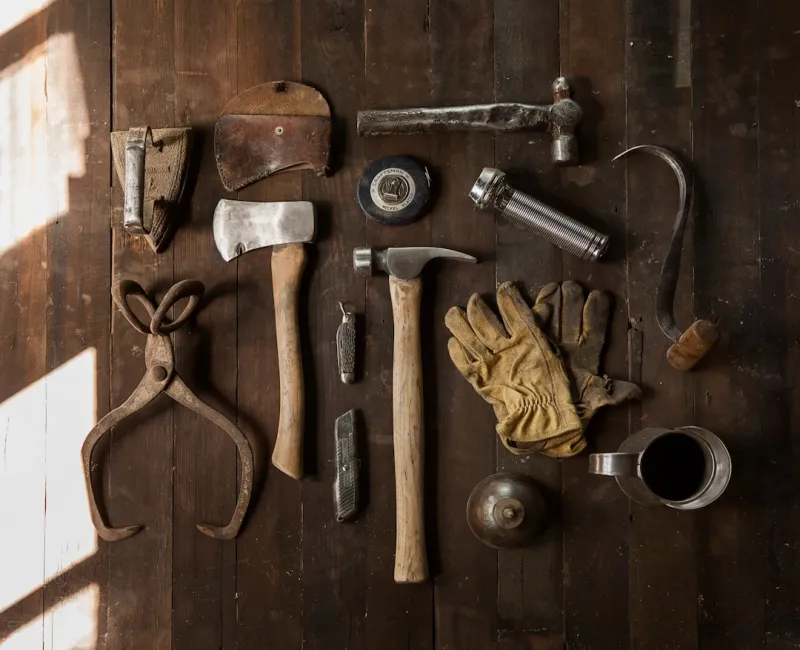
Why the Modern Handyman Is Becoming a Sustainability Champion
When I first picked up a wrench, I thought my job was simply to patch leaks, tighten bolts, and keep the lights on; today, the role has evolved into a mission‑driven craft where every repair is an opportunity to reduce waste and conserve resources. Homeowners are demanding greener solutions, and I’ve learned that a single well‑chosen material or technique can slash energy use by dozens of percent while also extending the life of the structure. That shift means I spend as much time researching eco‑friendly products as I do measuring joists, because the long‑term payoff for the client—and the planet—far outweighs a quick, disposable fix.
The Power of Proactive Maintenance
One of the biggest lessons I’ve learned on the job is that preventing a problem is always cheaper—and greener—than fixing it after it spirals out of control. A tiny drip in a bathroom faucet, for example, can waste gallons of water each day, and that loss adds up to both higher utility bills and unnecessary strain on municipal water supplies. By installing low‑flow aerators and checking seals regularly, I help homeowners shave off hundreds of dollars a year while also conserving a precious resource.
Choosing Materials That Last and Save Energy
When it comes to replacement parts, I no longer reach for the cheapest option that will rust away in a season; instead, I prioritize durability and thermal performance, such as high‑grade insulated pipe and reclaimed wood that has already proven its resilience. These choices often come with a modest upfront cost but pay dividends through reduced heating and cooling loads, especially in older homes where the envelope is leaky. If you’re curious about how insulation can transform a home, check out The Hidden Power of Insulation for a deeper dive.
Smart Upgrades That Pay Off Quickly
Every seasoned handyman knows that certain upgrades deliver a rapid return on investment, both financially and environmentally. Replacing an outdated single‑pane window with a double‑glazed unit can cut heat loss by up to 30%, and pairing that with low‑E coatings maximizes solar gain in winter while rejecting heat in summer. For a veteran contractor’s perspective on stylish yet sustainable options, the article Window Treatments That Work offers practical advice that blends form and function.
Integrating Eco‑Friendly Cleaning Into Routine Care
Maintenance isn’t just about fixing things; it also involves keeping spaces healthy and chemical‑free, which is why I recommend green cleaning methods for carpets, upholstery, and floors. Traditional carpet shampoos can leave behind residues that affect indoor air quality, whereas enzyme‑based cleaners break down stains naturally without volatile organic compounds. Learn more about the benefits of these methods in the piece Eco‑Friendly Carpet Cleaning, which outlines proven strategies for a healthier home.
Leveraging Technology for Efficient Handyman Work
Today's handheld devices and smart tools enable me to diagnose issues faster and more accurately, reducing the number of service calls needed to resolve a problem. Thermal imaging cameras, for instance, reveal hidden insulation gaps and moisture intrusions that would otherwise require invasive wall removal, saving both material waste and labor hours. By embracing these technologies, I can provide data‑driven recommendations that empower homeowners to make informed, sustainable decisions.
Water‑Saving Fixtures and the Modern Bathroom
Bathrooms are notorious water guzzlers, yet a simple swap of a standard toilet for a high‑efficiency model can conserve up to 13,000 gallons annually. Coupled with low‑flow showerheads and faucet aerators, these upgrades dramatically lower a household’s water footprint without sacrificing performance. I often pair these installations with a brief audit of the home’s overall water system, identifying hidden leaks that, once fixed, further enhance conservation.
Maintaining Outdoor Spaces with a Green Mindset
Exterior upkeep is just as crucial to a sustainable home as interior work; proper gutter maintenance, for example, prevents water damage that can lead to mold growth and structural decay. Regular cleaning and the addition of leaf guards extend gutter lifespan while directing runoff into rain barrels for reuse in irrigation. By treating the outside of a house with the same care as the inside, homeowners protect their investment and reduce reliance on municipal water.
Education: Turning Clients Into Partners
One of the most rewarding parts of my job is educating homeowners about the long‑term benefits of sustainable practices, turning a single service call into an ongoing partnership. I hand out simple checklists that outline seasonal tasks—like sealing drafts before winter or checking the furnace’s efficiency in spring—so clients can stay ahead of costly repairs. When they see the tangible savings on their next utility bill, the conversation naturally shifts from “what can we fix today?” to “how can we improve overall?”
Future‑Proofing Your Home with Handyman Insight
Looking ahead, the best homes will be those that combine robust construction with adaptable systems that can evolve as technology advances. I’m already seeing a rise in modular panels that can be swapped out for higher‑efficiency versions and smart thermostats that learn a household’s habits to fine‑tune heating and cooling. By staying informed and proactive, a handyman can guide homeowners through these transitions, ensuring that each upgrade integrates seamlessly with existing structures and contributes to a greener, more resilient future.

Craig Brett is a freelancer with a passion for the outdoors. His love for nature inspires his work, bringing authentic and engaging perspectives to projects related to outdoor activities, adventure, and environmental topics.
Related Posts

The Handyman’s Playbook: Proactive Home Care That Saves Time and Money
A seasoned handyman shares his proven strategy for assembling the right tools, scheduling seasonal c... Read More
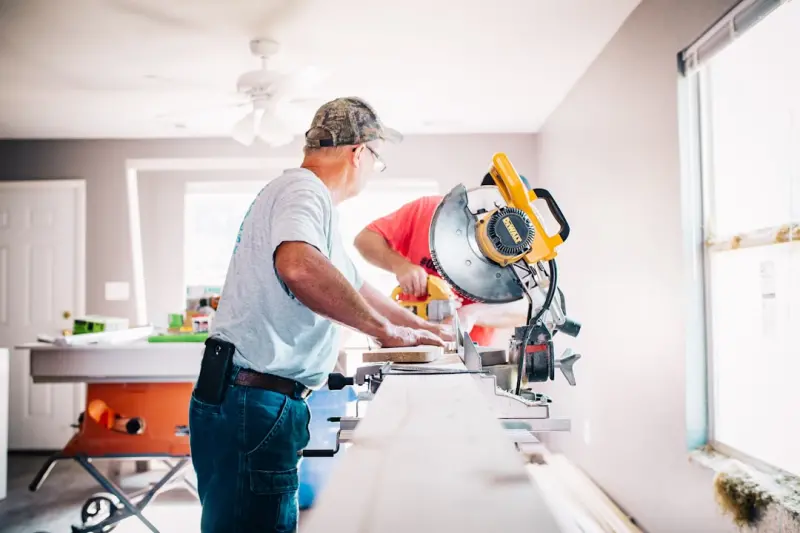
Why Handyman Services Are Shifting to Subscriptions
A deep dive into the rising subscription model for handymen, exploring tech integration, permit hand... Read More
The Handyman’s Playbook for Preventive Maintenance that Saves Money
A seasoned handyman reveals a 12‑month calendar of small, high‑impact tasks that prevent costly ... Read More
Top Posts
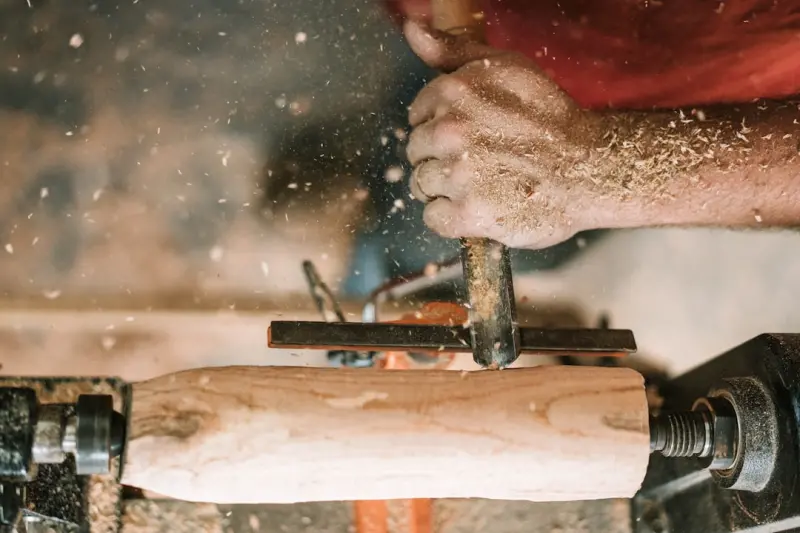
Woodworking as a Personal Wellness Toolkit
Discover how the tactile art of woodworking can become a daily wellness practice, offering stress relief, confidence building, and a deeper connection to nature...Read More
Elevating Window Treatments: Smart, Sustainable, and Sensory Solutions for Modern Homes
Explore cutting‑edge window dressing strategies that blend technology, sustainability, and design, turning ordinary windows into health‑boosting, energy‑s...Read More
How Living Walls Transform Home Health and Productivity
Living walls turn ordinary walls into thriving ecosystems, offering space‑saving greenery, cleaner air, and a measurable boost to wellbeing and productivity....Read More
Adaptive Glazing and Smart Frames: Redefining Comfort, Security, and Efficiency
Adaptive glazing and intelligent frames turn static windows and doors into dynamic systems that manage light, heat, sound, and security, delivering a smarter, m...Read More
0 Comments
Post Comment
You will need to Login or Register to comment on this post!