
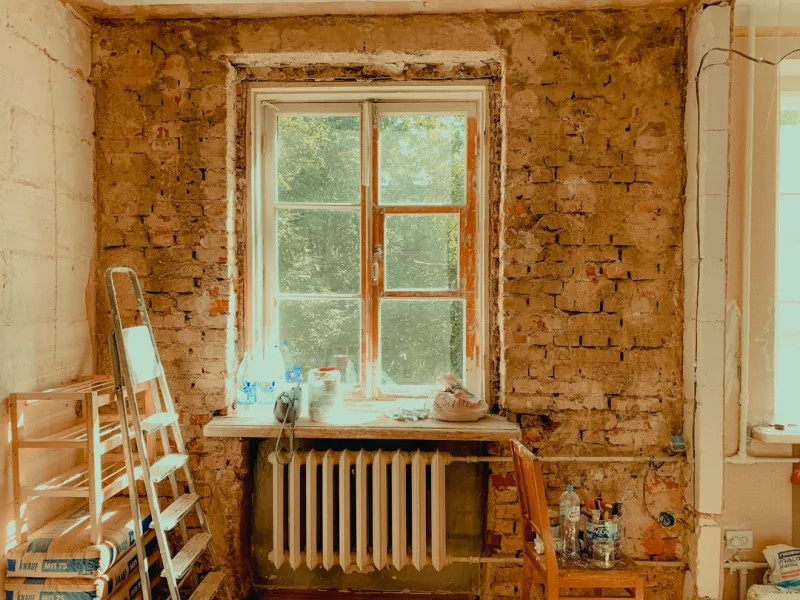
Sustainable Home Renovations: A Comprehensive Guide
As a homeowner, renovating your home can be an exciting but daunting task. With the increasing focus on sustainability, it's essential to consider eco-friendly options when planning your renovation. Sustainable home renovations not only reduce your environmental footprint but also provide long-term cost savings and improved indoor air quality. In this article, we'll explore the benefits of sustainable home renovations, discuss eco-friendly materials and practices, and provide tips for a successful renovation.
Sustainable home renovations involve using materials and practices that minimize waste, reduce energy consumption, and promote indoor air quality. One of the primary benefits of sustainable renovations is the reduction of environmental impact. By choosing eco-friendly materials, such as reclaimed wood, low-VOC paints, and sustainable flooring options, homeowners can significantly reduce their carbon footprint. Additionally, sustainable renovations can lead to significant cost savings through energy-efficient appliances, insulation, and windows.
Benefits of Sustainable Home Renovations
The benefits of sustainable home renovations are numerous. Some of the most significant advantages include:
- Reduced Environmental Impact: Sustainable renovations minimize waste, reduce energy consumption, and promote eco-friendly practices.
- Cost Savings: Energy-efficient appliances, insulation, and windows can lead to significant cost savings over time.
- Improved Indoor Air Quality: Sustainable renovations promote better indoor air quality through the use of low-VOC paints, natural materials, and proper ventilation.
- Increased Property Value: Sustainable renovations can increase property value and appeal to eco-conscious buyers.
Eco-Friendly Materials and Practices
When it comes to sustainable home renovations, choosing the right materials and practices is crucial. Some eco-friendly materials to consider include:
- Reclaimed Wood: Reclaimed wood is a sustainable option for flooring, walls, and countertops.
- Low-VOC Paints: Low-VOC paints promote better indoor air quality and reduce the risk of health problems.
- Sustainable Flooring Options: Sustainable flooring options, such as bamboo and cork, are eco-friendly and durable.
In addition to choosing eco-friendly materials, it's essential to adopt sustainable practices during the renovation process. This includes:
- Reducing Waste: Minimize waste by planning carefully and using materials efficiently.
- Using Energy-Efficient Appliances: Choose energy-efficient appliances to reduce energy consumption.
- Promoting Indoor Air Quality: Ensure proper ventilation and use low-VOC paints to promote better indoor air quality.
Sustainable home restoration is a critical aspect of eco-friendly renovations. By understanding the importance of sustainable practices and materials, homeowners can make informed decisions when planning their renovation.
The Role of Home Inspections in Sustainable Renovations
Home inspections play a crucial role in sustainable renovations. A thorough home inspection can identify areas of the home that require attention, such as energy-efficient upgrades and insulation. By addressing these issues, homeowners can ensure that their renovation is both eco-friendly and cost-effective.
Home inspections are essential for sustainable renovations. They provide homeowners with a comprehensive understanding of their home's condition and help identify areas for improvement.
Sustainable Renovation Tips and Tricks
When planning a sustainable renovation, there are several tips and tricks to keep in mind:
- Plan Carefully: Plan your renovation carefully to minimize waste and ensure that you're using materials efficiently.
- Choose Eco-Friendly Materials: Choose eco-friendly materials, such as reclaimed wood and low-VOC paints, to reduce your environmental footprint.
- Consider Energy-Efficient Upgrades: Consider energy-efficient upgrades, such as insulation and windows, to reduce energy consumption.
By following these tips and tricks, homeowners can ensure that their renovation is both eco-friendly and cost-effective.
The Future of Sustainable Renovations
The future of sustainable renovations is exciting and rapidly evolving. As technology continues to advance, we can expect to see new and innovative materials and practices emerge. Some trends to watch include:
- Increased Focus on Indoor Air Quality: Indoor air quality is becoming increasingly important, and sustainable renovations will prioritize this aspect.
- Advancements in Energy-Efficient Technology: Advancements in energy-efficient technology will continue to drive sustainable renovations.
- Growing Demand for Eco-Friendly Materials: The demand for eco-friendly materials will continue to grow, driving innovation and sustainability in the industry.
Sustainable general contracting is a critical aspect of the future of sustainable renovations. By understanding the importance of sustainable practices and materials, builders and homeowners can work together to create eco-friendly and cost-effective renovations.
Conclusion
Sustainable home renovations are a critical aspect of eco-friendly living. By choosing eco-friendly materials and practices, homeowners can reduce their environmental footprint, improve indoor air quality, and save money on energy costs. Whether you're planning a small renovation or a large-scale project, it's essential to consider sustainable options. By working with a qualified contractor and following sustainable renovation tips and tricks, you can create a beautiful and eco-friendly home that you'll love for years to come.

Kelly Reynolds is a dynamic freelance writer hailing from the picturesque landscapes of Alberta. A master of the written word, she juggles her passion for storytelling with the exhilarating chaos of being a mother to five spirited children. With an impressive portfolio that spans various genres, Kelly captivates readers through her engaging blog posts and thought-provoking articles.
Related Posts
The Handyman’s New Playbook: Turning One‑Off Jobs into Ongoing Relationships
The post explores how handymen can evolve from reactive repair technicians to proactive home‑care ... Read More

The Handyman’s Secret Weapon: Building a Flexible, Future‑Proof Toolkit
Learn the essential steps to create a future‑proof handyman toolkit, from core tools and modular a... Read More
Handyman Hacks: Sustainable Fixes Every Homeowner Should Know
Learn how a modern handyman blends green tools, smart techniques, and transparent communication to d... Read More
Top Posts
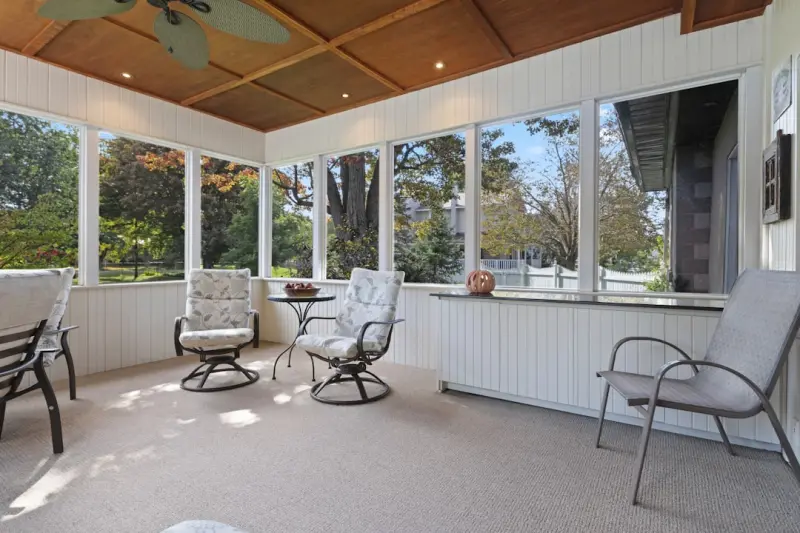
Designing a Year‑Round Sunroom Addition That Works for Work, Play, and Wellness
A sunroom can be far more than a glass‑enclosed patio—it can serve as a home office, yoga studio, guest suite, or all of the above. Learn the design, techni...Read More
Solar‑Infused Biophilic Design: Turning Light into Wellness
A deep dive into how solar‑powered glazing, adaptive lighting, and living walls combine to transform offices, schools, and homes into wellness‑focused envir...Read More
Unlock Your Home's Potential: The Transformative Power of Smart Closets and Storage
Transform your home from cluttered chaos to calm and efficiency with smart closet and storage solutions. Learn expert strategies to optimize every space, reduce...Read More
Beyond the Meter: How Real‑Time Energy Inspection Is Rewriting Building Efficiency
Continuous energy inspection transforms static audits into a living system, using sensor fusion, AI analytics, and actionable feedback to cut costs, improve com...Read More
0 Comments
Post Comment
You will need to Login or Register to comment on this post!