
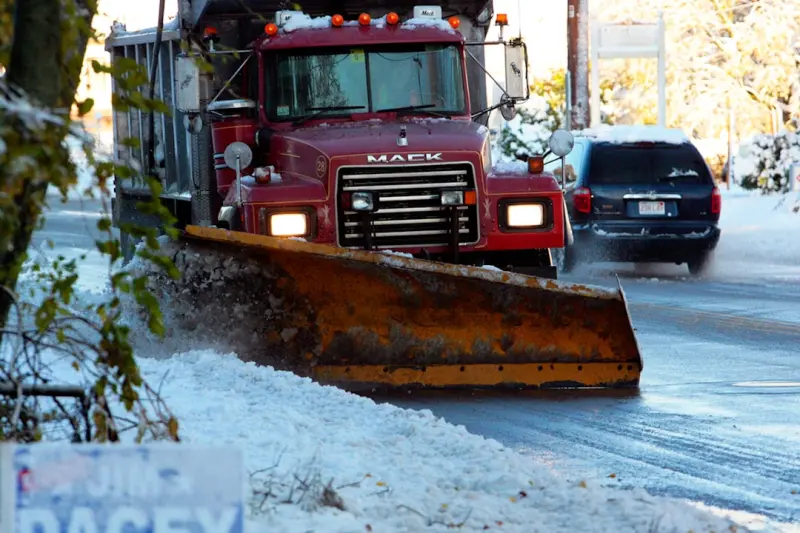
When the first snowflake lands on the parking lot, most facilities teams treat it as a nuisance to be cleared before it becomes a problem. Over the past few years I’ve watched that mindset shift dramatically—thanks to a blend of data, automation, and a fresh business‑first outlook. In this post I’ll walk you through why snow removal is no longer a seasonal chore but a strategic lever for operational efficiency, employee safety, and even brand reputation.
From Reactive Shoveling to Proactive Snow Strategy
Traditionally, snow removal has been reactive: a snowstorm hits, the crew is called, and everyone hopes the plows arrive before the first car gets stuck. That approach is fraught with hidden costs—damage to concrete, liability from slips, and lost productivity as employees spend precious minutes navigating icy walkways.
What if you could anticipate exactly when, where, and how much snow will accumulate, then orchestrate a coordinated response that aligns with your broader facility roadmap? This is the promise of a proactive snow strategy, and it starts with three pillars:
- Real‑time weather analytics that feed directly into your work order system.
- IoT‑enabled sensors embedded in critical zones to measure surface temperature, moisture, and load.
- Dynamic resource allocation that matches plow capacity, de‑icing inventory, and personnel shifts to the forecasted need.
When these elements are linked together, snow removal transforms from a cost center into a predictable, data‑driven service line.
Embedding Snow Data Into Facility Management Platforms
Most modern facilities already use a Computerized Maintenance Management System (CMMS) to schedule HVAC servicing, lighting upgrades, and cleaning contracts. Adding a snow module to that ecosystem is easier than you think. The module ingests data from:
- Public meteorological APIs that provide hyper‑local snowfall predictions.
- On‑site sensors that report the exact temperature of pavement, helping you decide when to apply brine versus dry ice.
- Historical snow event logs that reveal patterns—like a particular lot that always freezes faster due to shade.
With these inputs, the CMMS can automatically generate work orders, prioritize zones based on foot traffic, and even trigger notifications to employees about safe routes. The result is a single pane of glass where snow removal is no longer a “fire‑fighting” activity but a scheduled, auditable process.
Leveraging Predictive Analytics Without Repeating the Same Phrase
Predictive analytics has been a buzzword in many property‑care discussions, but its application to winter weather is still emerging. By applying machine‑learning models to years of snowfall, temperature swings, and operational impact data, you can forecast not only the depth of snow but also the operational risk associated with each inch.
For example, a model might tell you that a 2‑inch accumulation on a north‑facing ramp increases slip incidents by 27 % during the first 30 minutes after a storm begins. Armed with that insight, you can pre‑emptively deploy de‑icing agents or schedule a rapid‑response crew to that specific area, dramatically cutting liability.
In practice, you start small—perhaps with a single high‑traffic entrance—and expand as the model proves its ROI. The key is to treat the analytics engine as a living system that improves with each winter season.
Subscription‑Based Snow Services: Turning a Seasonal Expense Into a Predictable OPEX
Many commercial landlords still negotiate snow removal on a per‑incident basis, which makes budgeting a guessing game. By moving to a subscription model, you lock in a predictable monthly cost that covers:
- All‑weather plowing for designated zones.
- Inventory management of de‑icing chemicals, with automatic replenishment based on usage trends.
- Regular sensor calibration and data‑quality checks.
- Quarterly performance reviews that tie snow‑clearance metrics to tenant satisfaction scores.
This model mirrors the shift we’ve seen in other property services—think of it as “Snow Removal as a Service.” It aligns the vendor’s incentives with your operational goals: the provider gets paid for results, not just hours on the road.
Environmental Responsibility Meets Winter Operations
Snow removal has a reputation for being environmentally heavy—large fleets of diesel plows, salt runoff that harms local waterways, and the carbon footprint of emergency crews. A modern, data‑driven approach can dramatically reduce that impact.
First, precise forecasting means you only deploy equipment when needed, cutting unnecessary mileage. Second, sensor‑guided de‑icing lets you apply the exact amount of material required, reducing over‑use of salt. Third, many municipalities now allow the use of reclaimed snow as a water source for irrigation, turning waste into a resource.
By publishing these sustainability metrics in your annual ESG report, you not only comply with regulatory expectations but also strengthen your brand’s green credentials.
Human Factors: Keeping Employees Safe and Productive
Snow and ice are leading causes of workplace injuries. The financial impact extends beyond workers’ compensation; it includes lost work hours, reduced morale, and potential legal exposure. A strategic snow program directly addresses these concerns by:
- Mapping high‑traffic corridors and installing heated walkways where ROI justifies the expense.
- Sending real‑time alerts to mobile devices about which entrances are cleared, which are still hazardous, and where temporary detour signage has been placed.
- Providing employees with personalized safety checklists that adapt to the day's weather conditions.
When staff see that snow removal is part of a larger safety ecosystem, they feel valued, and productivity rebounds faster after a storm.
Integrating Snow Operations With Broader Facility Initiatives
Snow removal does not have to exist in isolation. It can be woven into broader initiatives such as capital project planning, tenant improvement cycles, and even digital twin models of your campus. By feeding snow‑clearance data into a digital twin, you can simulate how a heavy snowfall would affect traffic flow, emergency egress, and loading dock operations before the season even begins.
Similarly, if you’re already investing in a strategic property care program, snow removal data becomes another valuable signal. The same dashboard that tracks HVAC health can now display snow‑related risk metrics, enabling facilities leaders to make holistic decisions.
Case Study: Turning a Winter Liability Into a Competitive Advantage
Consider a mid‑size tech campus that historically struggled with snow‑related complaints. After implementing an IoT sensor network across its main parking structures, the campus manager integrated the data into their CMMS and adopted a subscription snow service. Within the first season, they achieved:
- A 45 % reduction in slip‑and‑fall incidents.
- 30 % lower total snow‑removal spend thanks to optimized crew dispatch.
- Improved tenant satisfaction scores, with a notable increase in “facility responsiveness” ratings.
- Documented reduction in salt usage, supporting their sustainability pledge.
This transformation turned a seasonal headache into a differentiator that helped the campus attract new tenants looking for a safe, well‑maintained environment.
Future Trends: Autonomous Plows and AI‑Driven Decision Engines
The next frontier for snow removal lies in autonomy. Companies are testing self‑driving plows equipped with lidar and AI that can adjust speed, blade angle, and de‑icing rates on the fly. When paired with the predictive models described earlier, an autonomous fleet could execute a “snow‑first” plan that pre‑emptively clears critical zones before the storm even arrives.
While fully autonomous operations are still a few years away, early adopters can experiment with semi‑autonomous features—like remote‑controlled plow steering from a central command center—providing a glimpse of the efficiency gains to come.
Actionable Checklist for Your Snow Strategy
Ready to elevate your snow removal from a reactive task to a strategic asset? Use this checklist as a starting point:
- Audit current processes. Document how work orders are created, who is responsible for dispatch, and what metrics you currently track.
- Identify high‑risk zones. Use foot‑traffic data to prioritize entrances, ramps, and loading docks.
- Deploy sensors. Install temperature and moisture sensors in at least three key locations to start gathering actionable data.
- Integrate with your CMMS. Connect weather APIs and sensor feeds to automate work order generation.
- Explore subscription models. Engage with vendors who offer a bundled service with performance guarantees.
- Set sustainability targets. Define measurable goals for salt usage and carbon emissions.
- Train staff. Ensure facilities teams understand the new workflow and can interpret real‑time alerts.
- Measure and iterate. After the first season, review incident reports, cost savings, and tenant feedback to refine the program.
By following these steps, you’ll turn a wintertime inconvenience into a catalyst for operational excellence.
Conclusion: Snow Removal as a Business Enabler
Snow is inevitable in many regions, but how you respond to it is a choice. By leveraging data, automation, and a subscription mindset, you can transform snow removal from a cost‑center into a measurable contributor to safety, sustainability, and tenant satisfaction. The payoff isn’t just a cleared driveway; it’s a stronger, more resilient organization that can navigate any season with confidence.
For more insight on how data can elevate property operations, check out our piece on data‑driven property care and discover how predictive tools are reshaping facility management.

William Roy is a freelance writer originally from Montreal who moved to Ottawa with his wife of 50 years to be closer to their grandkids. Alongside his writing, William has a passion for fishing.
Related Posts
Snow Removal Reinvented: Data, IoT, and Sustainable Strategies for Modern Facilities
A fresh look at snow removal shows how predictive weather data, IoT‑enabled equipment, and sustain... Read More

Smart Snow Removal: Budget‑Friendly Strategies for a Stress‑Free Winter
Learn how to budget for snow removal, choose the right tools, and turn a chilly chore into a communi... Read More

Data‑Driven Snow Removal: Turning Winter Chaos into Predictable Performance
Snow removal is evolving from a reactive chore to a data‑driven operation. Discover how sensors, r... Read More
Top Posts

Backyard Structures: Turning Sheds & Gazebos Into Profitable Mini‑Enterprises
Explore a fresh business model that repurposes garden sheds and gazebos into pop‑up shops, craft workshops, or micro‑fulfillment hubs, complete with design ...Read More

Embracing Sustainable Kitchen Renovations: A Guide to Eco-Friendly Upgrades
Learn how to create a sustainable kitchen with eco-friendly upgrades and materials. Discover the benefits of sustainable kitchen renovations and get started on ...Read More

Designing Climate‑Smart Landscapes: Turning Outdoor Spaces into Energy‑Saving Assets
Discover how integrating shade trees, rain gardens, smart irrigation, and biophilic design can transform a commercial landscape into a cost‑saving, wellnessâ€...Read More

Modular Smart Drywall: Speed, Data, and Circular Value
A deep dive into modular drywall panels that combine rapid installation, embedded IoT sensors, and recyclable design, offering a fresh, sustainable path for mod...Read More
0 Comments
Post Comment
You will need to Login or Register to comment on this post!