
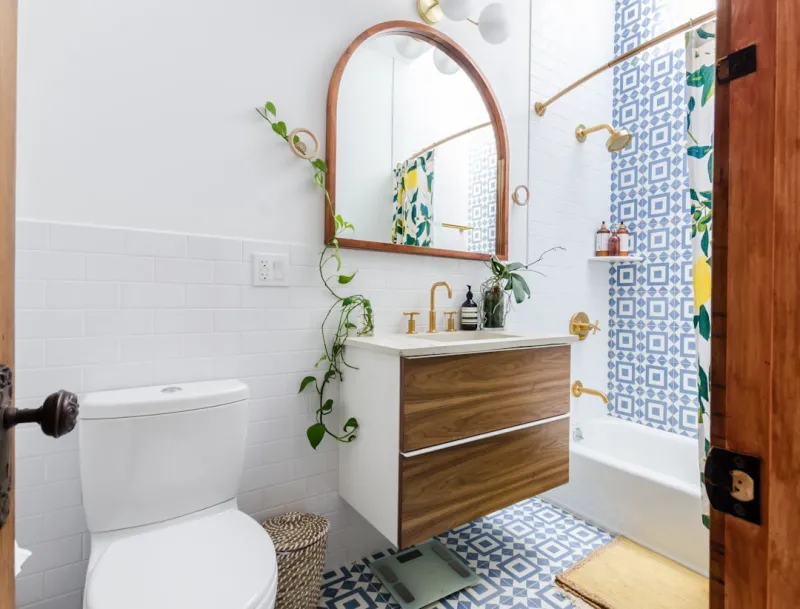
Why Modern Plumbing Is the New Frontier for Sustainable Homeownership
When I first picked up a wrench as an apprentice, the focus was on stopping leaks and keeping water flowing; today, the conversation has expanded to include energy efficiency, water conservation, and even the carbon footprint of every pipe under the house. Homeowners now expect their plumbing systems to do more than just deliver water—they want fixtures that reduce waste, smart sensors that prevent costly bursts, and materials that last a lifetime without contributing to landfill overflow. The shift is driven by tighter building codes, rising utility costs, and a growing awareness that every gallon saved translates into a tangible environmental win. As a veteran contractor who has retrofitted dozens of older homes, I’ve seen firsthand how integrating these sustainable practices not only future‑proofs a property but also boosts its resale value, making smart plumbing an investment rather than an expense.
From Traditional Fixtures to High‑Efficiency Devices
One of the simplest upgrades I recommend to clients is swapping out standard toilets for dual‑flush or pressure‑assist models, which can slash water usage by up to 60 percent without sacrificing performance. Likewise, low‑flow showerheads and faucet aerators deliver a satisfying experience while dramatically cutting consumption; the savings compound over years, often paying for the hardware within months. It’s not just about the fixtures themselves—integrating a recirculation pump eliminates the need to run cold water down the line, reducing both water waste and the energy spent heating that water. By pairing these devices with a smart home hub, homeowners can monitor usage in real time, receive alerts when something seems off, and even automate shut‑offs during peak demand periods, turning a basic plumbing system into an intelligent, eco‑friendly asset.
Pipe Materials Matter: Choosing Sustainable Alternatives
Historically, many homes were built with galvanized steel or copper pipes, both of which have environmental and durability drawbacks; steel corrodes, releasing rust into the water, while copper mining is energy‑intensive and contributes to habitat disruption. Today, cross‑linked polyethylene (PEX) and chlorinated polyvinyl chloride (CPVC) dominate new installations because they require less energy to produce, are flexible enough to reduce the number of joints (and thus potential leak points), and have a proven lifespan of 50 years or more. When I replace aging pipework, I prioritize these materials not only for their performance but also for their lower embodied carbon. For homeowners concerned about chemical leaching, I also offer certified “lead‑free” PEX options that meet stringent safety standards, ensuring that the water staying in your system remains as pure as possible while aligning with green building principles.
Smart Water Management: Sensors, Leak Detectors, and Automation
Imagine a scenario where a burst pipe in an unfinished basement is caught within minutes, before it floods the living space and causes thousands of dollars in damage. That’s the reality when you install networked moisture sensors and automatic shut‑off valves, technologies that have moved from luxury to mainstream thanks to falling prices and broader compatibility with popular smart home platforms. These devices use ultrasonic or pressure‑based detection methods to differentiate a genuine leak from normal flow, sending instant notifications to your phone and, when programmed, closing the main water supply to prevent disaster. Beyond emergency response, they provide valuable data trends that can highlight hidden inefficiencies—like a slow‑dripping faucet you never noticed—allowing you to address issues proactively and keep your water bill in check.
Integrating Plumbing with Overall Home Sustainability
Plumbing does not exist in isolation; it interacts with heating, ventilation, and even the building envelope. For instance, a well‑insulated hot‑water tank paired with a recirculation loop can cut standby heat loss dramatically, while a solar‑thermal pre‑heat system can supply a portion of the domestic hot water demand, reducing reliance on gas or electric heating. When I design a renovation, I coordinate with the insulation and HVAC teams to ensure that pipe runs are kept within conditioned spaces, minimizing heat loss and protecting against freeze‑related bursts in colder climates. This holistic approach mirrors the concepts I explore in Sustainable Home Hacks, where every system is optimized to work together, delivering comfort, savings, and a smaller environmental footprint.
The Rise of Eco‑Friendly Appliance Repair and Its Impact on Plumbing
While many homeowners think of appliances as separate from plumbing, the truth is that dishwashers, washing machines, and even refrigerators with ice makers draw directly from your water supply and discharge into the waste system. The Rising Trend of Sustainable Appliance Repair emphasizes extending the life of these units through proper maintenance, which in turn reduces the frequency of replacements—a major source of landfill waste and manufacturing emissions. By opting for repair over replacement, you not only save money but also keep older, often more water‑efficient models in service. I encourage my clients to schedule annual inspections for their appliances, check for leaks in supply lines, and consider retrofitting older machines with modern, low‑flow hoses that can shave off precious gallons per cycle without compromising performance.
Addressing Common Plumbing Myths that Hinder Sustainable Choices
There’s a persistent myth that low‑flow fixtures sacrifice pressure, leading many homeowners to reject them outright. In reality, the engineering behind modern aerators and showerheads ensures a consistent, satisfying flow while using far less water; the perceived loss is often a psychological response to unfamiliar hardware rather than a measurable decline in performance. Another misconception is that replacing a single fixture yields negligible savings; however, when multiple low‑flow devices are installed throughout a home, the cumulative water and energy reductions become substantial, often equating to the savings from a full home insulation upgrade. By debunking these myths through clear, data‑driven explanations, I help clients make confident, sustainable decisions that align with both their comfort expectations and environmental goals.
Maintenance Routines that Keep Sustainable Systems Running Smoothly
Even the most advanced plumbing setup requires regular attention to stay efficient. I advise homeowners to perform quarterly visual inspections of exposed pipework, looking for signs of corrosion, mineral buildup, or damp spots that could indicate a slow leak. Flushing the water heater annually removes sediment that can insulate the heating element, forcing it to work harder and waste energy. Additionally, cleaning aerators and showerhead nozzles restores optimal flow rates, ensuring that low‑flow designs continue to deliver the promised water savings. These simple, low‑cost habits, when performed consistently, protect the integrity of your investment and prevent the cascade of problems that typically arise from neglect, reinforcing the sustainable ethos of “maintain to preserve.”
Future Trends: What’s Next for Sustainable Plumbing?
Looking ahead, I see two major developments reshaping the industry: the integration of gray‑water recycling systems and the adoption of renewable‑energy‑powered water treatment. Gray‑water loops capture runoff from showers and sinks, treating it for reuse in toilet flushing or irrigation, cutting potable water demand dramatically. Meanwhile, advances in compact, solar‑powered water heaters and on‑site membrane filtration units promise to decouple hot‑water production from fossil fuels entirely, offering a truly carbon‑neutral solution for households. As these technologies become more affordable and code‑compliant, I anticipate they will move from niche projects to standard practice, enabling homeowners to achieve unprecedented levels of sustainability without compromising convenience or comfort.
Putting It All Together: A Blueprint for the Eco‑Savvy Homeowner
To summarize, the path to a greener plumbing system involves three core steps: upgrade to high‑efficiency fixtures, adopt smart monitoring and control devices, and choose sustainable materials and maintenance practices that extend the life of every component. By viewing plumbing as an integral piece of your home’s overall sustainability puzzle, you can unlock savings, protect your property from water‑related disasters, and contribute to a healthier planet. If you’re ready to start this journey, I’m happy to provide a personalized assessment that aligns with the strategies outlined in my other guides, such as the comprehensive plan for Design‑Build Mastery. Together, we can turn your home’s plumbing from a hidden liability into a showcase of modern, responsible living.

Tom Ferguson is a Canadian freelance writer with a passion for storytelling, current events, and thoughtful commentary. Drawing on years of writing experience, he shares engaging insights on a wide range of topics, bringing a uniquely Canadian perspective to his work.
Related Posts
Reviving Vintage Pipes: Modern Solutions for Historic Homes
A deep dive into preserving and modernizing the plumbing of historic homes, balancing heritage aesth... Read More

Seasonal Plumbing Checkups: The Proactive Homeowner’s Secret to Leak‑Free Living
A practical guide to seasonal plumbing maintenance, offering checklists, early warning signs, and sm... Read More
Why Subscription Plumbing Is the Smartest Move for Modern Buildings
Subscription plumbing turns traditional reactive repairs into a proactive service model, using senso... Read More
Top Posts

Flooring Futures: Materials That Boost Comfort, Style, and Sustainability
A fresh look at flooring choices that prioritize health, sustainability, and style, offering practical advice on materials, acoustics, pet‑friendly options, a...Read More
Modular Electrical Distribution: Building Agile Power for Modern Workplaces
A deep dive into modular electrical distribution, exploring its components, benefits, real‑world applications, and future trends that empower agile, data‑dr...Read More

How IoT and AI Are Revolutionizing Snow Removal for the Modern Homeowner
Explore a data‑driven approach to snow removal, blending IoT sensors, AI forecasts, and automated equipment to save time, money, and the planet....Read More

Crafting a Personal Microclimate: Smart, Sustainable Weather Proofing for Your Home
Discover a holistic, data‑driven approach to home weather‑proofing that blends windbreaks, green walls, smart moisture sensors, and adaptive shading to buil...Read More
0 Comments
Post Comment
You will need to Login or Register to comment on this post!