
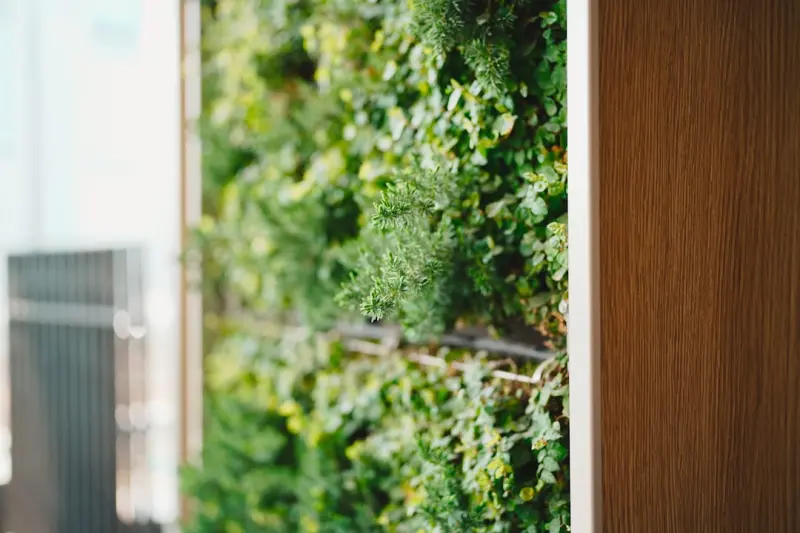
Why Living Walls Are the Next Big Thing in Home Wellness
When I first moved into my city loft, the concrete skyline felt oppressive. The endless glass walls let in light, but the space still lacked the breathing room I craved. After a handful of failed attempts at balcony herb boxes, I discovered the power of living walls—vertical gardens that turn any interior surface into a thriving ecosystem. In the past year, I’ve turned three rooms, a hallway, and even my home office into plant‑filled canvases. The results have been nothing short of transformative, and I’m convinced that indoor vertical greening is poised to become a staple of modern home design.
What Exactly Is a Living Wall?
A living wall (sometimes called a green wall or vertical garden) is a system that supports plant growth on a vertical plane. Unlike traditional potted plants, these installations use modular panels, hydroponic trays, or felt‑backed pockets that attach to walls, allowing roots to access water, nutrients, and airflow directly through the structure. The technology ranges from simple DIY felt panels to high‑tech, sensor‑driven ecosystems that monitor moisture, light, and temperature in real time.
The core appeal lies in three pillars:
- Space Efficiency: You get the visual impact of a garden without sacrificing floor space—a crucial advantage for apartments and small homes.
- Air Quality: Plants naturally filter VOCs, carbon dioxide, and particulate matter, delivering cleaner indoor air.
- Biophilic Connection: The psychological boost from greenery—reduced stress, improved focus, and a sense of calm—is well documented.
Choosing the Right System for Your Home
Before you rush to the nearest garden centre, ask yourself three questions:
- How much maintenance are you willing to commit to?
- What light conditions does your wall receive?
- Do you want a DIY solution or a professionally installed, smart‑enabled system?
For beginners, a modular felt panel kit is affordable and easy to install. These kits typically come with a pre‑filled substrate, a drip irrigation line, and simple mounting hardware. If you’re a tech enthusiast like me, consider a system that integrates soil‑moisture sensors and automated watering. Some premium brands even connect to smart home hubs, sending alerts to your phone when a panel needs attention.
Design Principles: From Aesthetic to Function
Living walls are more than a decorative afterthought—they can be tailored to serve specific functions:
- Air‑Purifying Zone: Use plants like Sansevieria, Spider Plant, and Peace Lily for maximum VOC removal.
- Herb Garden: Incorporate Basil, Mint, and Thyme in the kitchen for fresh flavors at arm’s reach.
- Thermal Regulation: A dense wall can act as an insulating layer, dampening temperature swings—especially useful in homes with large glass façades.
- Acoustic Dampening: While not a direct substitute for acoustic panels, the foliage adds a subtle sound‑absorbing quality that can soften echo in open‑plan spaces.
Integrating Smart Technology: The Future of Indoor Greening
One of the most exciting developments in living walls is the integration of IoT sensors. These devices track soil moisture, ambient humidity, and light intensity, feeding data to a cloud platform that can trigger watering cycles or adjust supplemental lighting. I’ve paired my wall with a simple smart plug that powers an LED grow light, set to a 12‑hour cycle based on the sensor’s feedback. The system even sends a push notification if the nutrient solution runs low, turning what used to be a weekly chore into a set‑and‑forget operation.
If you’re interested in deeper analytics, consider a platform that offers building performance dashboards. By overlaying plant health data with indoor temperature and humidity readings, you can fine‑tune HVAC settings to maintain an optimal environment for both you and your green companions.
Case Study: My Home Office Transformation
Three months ago, my home office was a sterile rectangle of glass and steel. I installed a 6‑foot‑by‑4‑foot living wall behind my desk, using a mix of ZZ Plant (low light tolerance) and Philodendron (vibrant foliage). I added a row of Herbs at eye level for quick snips during lunch. Within weeks, I noticed a measurable shift:
- My cognitive focus improved during long Zoom calls, a phenomenon I later read about in a study on biophilic design.
- The ambient noise level dropped by roughly 3 dB, making the space feel cozier.
- My energy bills dipped marginally thanks to the wall’s insulating effect, especially during hot afternoons when the greenhouse effect of the large windows was most pronounced.
This experiment reinforced my belief that a living wall is not just décor—it’s an active participant in a healthier, more productive home.
Maintenance Made Simple
Even the most advanced systems require routine care. Here’s a streamlined checklist that fits a busy schedule:
- Weekly Visual Scan: Look for wilting leaves, discoloration, or pests.
- Bi‑Weekly Water Check: If you have a sensor, trust its alerts. Otherwise, test the moisture level by gently feeling the substrate.
- Monthly Pruning: Trim overgrown stems to encourage new growth and maintain a tidy appearance.
- Quarterly Nutrient Boost: Use a balanced, water‑soluble fertilizer designed for indoor plants.
- Annual System Audit: Inspect the irrigation tubing for blockages and replace any worn components.
By sticking to this cadence, you’ll keep your wall thriving without it becoming a time‑sink.
Budgeting Your Green Wall
The cost of a living wall can vary dramatically. A DIY felt kit may start at $150 for a 2‑square‑meter panel, while a fully automated, sensor‑enabled system can exceed $2,000. Here’s a rough budgeting guide:
| Component | Cost Range |
|---|---|
| Modular Panels (per sq ft) | $20‑$80 |
| Hydroponic Tray Set | $100‑$500 |
| Smart Sensors & Hub | $50‑$200 |
| LED Grow Lights | $30‑$150 |
| Installation (if professional) | $200‑$800 |
Remember, a living wall can be expanded over time. Start small, test the waters (literally), and scale up as you become more comfortable.
Environmental Impact: A Small Step with Big Ripples
Beyond personal health, indoor vertical gardens contribute to broader sustainability goals. By sequestering carbon, reducing reliance on air‑conditioning, and extending the lifespan of indoor plants through proper care, living walls help lower a household’s carbon footprint. Pairing them with renewable energy sources—like a rooftop solar array—creates a synergistic loop: the solar power runs the irrigation pump and grow lights, while the plants improve indoor air, reducing the need for mechanical ventilation.
Future Trends: From Art Installations to Adaptive Facades
Looking ahead, I see living walls evolving in several exciting directions:
- Dynamic Plant Arrays: Using robotics to reposition plants for optimal light exposure throughout the day.
- Data‑Driven Growth Algorithms: AI models that predict nutrient needs based on seasonal changes and occupant behavior.
- Hybrid Indoor‑Outdoor Systems: Transparent façades that allow a seamless flow of greenery from inside to the balcony, blurring the boundary between interior and exterior spaces.
These innovations promise to make vertical greening even more intuitive and integrated with the smart home ecosystem.
Getting Started: My Step‑by‑Step Blueprint
Ready to bring a living wall into your home? Follow this concise roadmap:
- Assess Your Space: Measure the wall, note light levels, and consider load‑bearing capacity.
- Select a System: Choose between DIY kits or a professional, sensor‑enabled solution.
- Pick Your Plants: Match species to light and maintenance preferences.
- Install the Framework: Secure panels, run irrigation lines, and connect any smart devices.
- Populate the Wall: Plant in the provided pockets or trays, ensuring proper spacing.
- Configure Automation: Set up watering schedules, light timers, and sensor alerts.
- Monitor & Adjust: Use the dashboard to fine‑tune conditions during the first month.
Within weeks, you’ll have a living masterpiece that not only elevates aesthetics but also nurtures wellbeing.
Final Thoughts
Living walls sit at the intersection of design, technology, and sustainability—a trifecta that resonates deeply with my own philosophy of “smart, green, and human‑centric” living. Whether you’re a tech‑savvy professional, a busy parent, or a design enthusiast, the vertical garden offers a scalable way to inject nature into the daily rhythm of home life. As we continue to adapt our spaces to the challenges of modern living, I believe the living wall will become as ubiquitous as the smart thermostat, quietly but powerfully reshaping how we experience our indoor environments.

Lifan Chen is a freelancer based in Toronto specializing in marketing. With expertise in crafting effective marketing strategies and campaigns, Lifan helps businesses grow their brand presence and reach target audiences. As a Toronto-based freelancer, Lifan combines local market insights with creative marketing skills to deliver tailored solutions for clients.
Related Posts
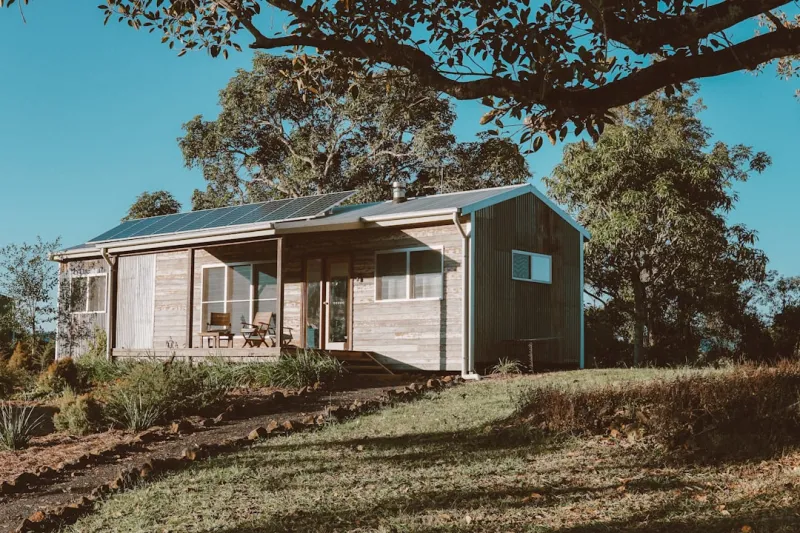
How I Turned My Home Into a Sustainable Smart Sanctuary
From energy inspections to smart lighting and reclaimed materials, follow my hands‑on journey turn... Read More
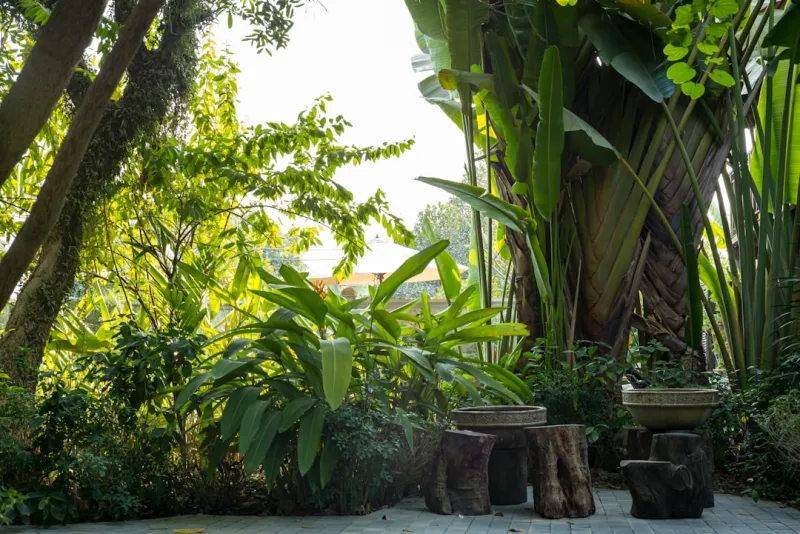
Creating a Year‑Round Outdoor Oasis: Sustainable Design Tips for Every Season
Learn to transform your garden into a sustainable, year‑round oasis with expert tips on materials,... Read More
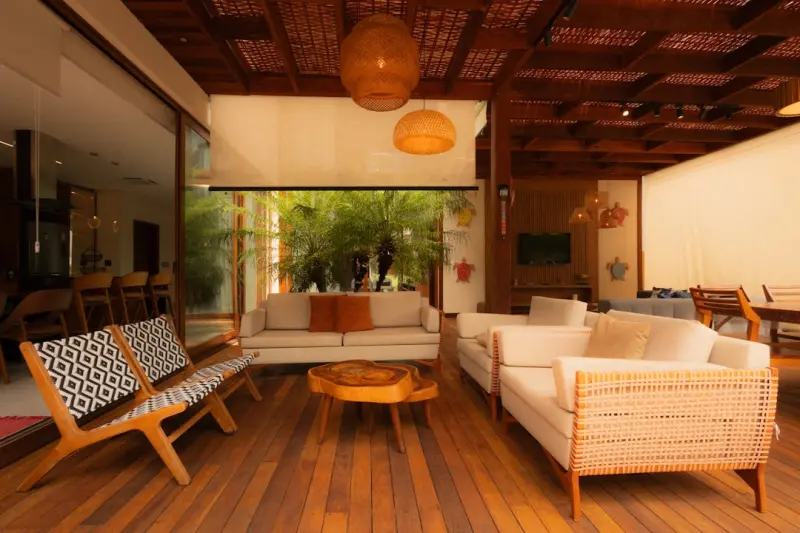
Creating a Year‑Round Outdoor Living Room: Seasonal Styling and Comfort
Turn your patio into a year‑round haven with durable flooring, weather‑proof furniture, layered ... Read More
Top Posts
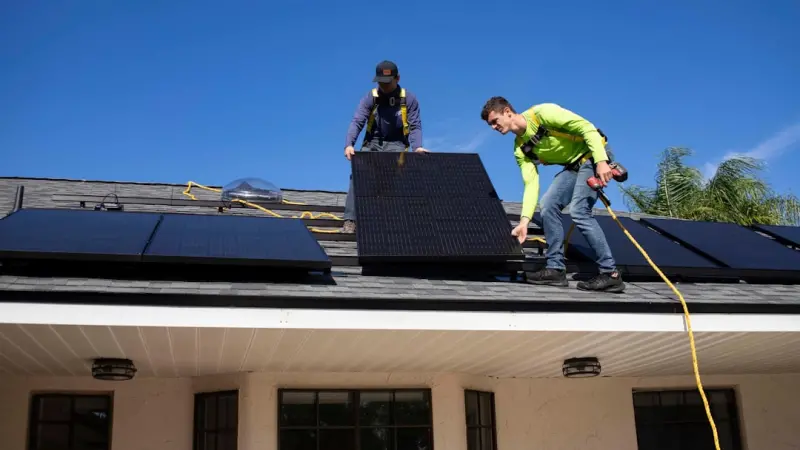
Solar Energy Unleashed: A Homeowner’s Blueprint for Real Savings and Resilience
A practical guide that shows homeowners how to integrate solar panels, storage, and smart tech to slash bills, boost energy independence, and prepare for the re...Read More

Reviving the Heart of Your Bathroom: The Untapped Power of Bathtub Refinishing
A deep dive into bathtub refinishing reveals emotional, environmental, and financial benefits, showing why a refreshed tub can transform your bathroom without t...Read More

Hybrid Heat Pumps: The Smart Path to Year‑Round Comfort and Savings
Explore the rise of hybrid heat pumps, their efficiency, zoning benefits, and how they improve indoor air quality while delivering significant cost savings....Read More

Solar as a Business Platform: Turning Sunlight into Strategic Advantage
Solar is evolving from a simple energy source into a strategic platform that drives revenue, resilience, and brand value. Learn how to embed solar into your bus...Read More
0 Comments
Post Comment
You will need to Login or Register to comment on this post!