
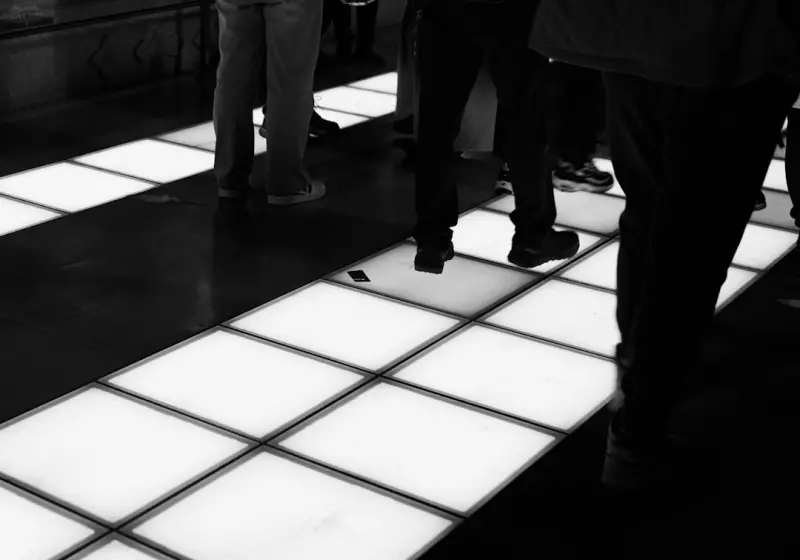
Why Tiles Are No Longer Just a Surface
When I first started swapping out cracked ceramic for fresh porcelain in my own workshop, the tile was a means to an end – a hard, waterproof platform for my tools. Over the past few years, however, the humble slab has morphed into a digital interface, a climate moderator, and even a subtle mood‑setter. This transformation isn’t a fleeting fad; it’s a convergence of material science, sensor technology, and design thinking that’s reshaping how we experience commercial and public interiors.
From Passive Covering to Active Platform
Traditional tiles were valued for durability, water resistance, and low maintenance. Today, manufacturers embed micro‑electromechanical systems (MEMS), thin‑film photovoltaics, and addressable LEDs directly into the tile body. The result is a floor that can sense foot traffic, report temperature gradients, and react with light or color in real time. The shift mirrors what happened in the lighting industry when LEDs moved from a novelty to a standard. The difference now is that the tile itself becomes an information conduit, feeding data to building management systems without the need for separate floor sensors.
Data‑Driven Flooring: Sensors Underfoot
Imagine a conference center where every step taken on the main atrium is logged, not for surveillance, but to optimize HVAC loads. Embedded pressure sensors detect occupancy levels and feed that data to a central controller, which then adjusts airflow or heating in adjacent zones. This approach reduces energy waste by up to 15 % in high‑traffic areas, according to recent field trials. The sensors are low‑power, often harvesting energy from the slight pressure exerted by a footfall, making them virtually maintenance‑free.
Beyond occupancy, tiles can monitor humidity, detect spills, and even flag structural shifts. For healthcare facilities, a floor that alerts staff to a sudden wet spot can prevent slips before anyone notices. The data can be visualized on a dashboard, providing facilities managers with a real‑time heat map of activity across the building.
Thermal Mass Reimagined: Passive Heating and Cooling
One of tile’s oldest virtues is its ability to store heat. In climates with large diurnal temperature swings, a well‑designed tile floor can absorb solar gain during the day and release it at night, flattening indoor temperature curves. Modern tile manufacturers are now engineering slabs with higher specific heat capacities using engineered stone composites. When paired with the embedded sensors described above, the system can intelligently decide when to draw on the floor’s thermal mass versus when to activate active heating.
This synergy creates a hybrid climate strategy that reduces reliance on traditional boilers or chillers. The floor becomes a silent partner in the building’s energy story, offering comfort without the visual clutter of radiators or air vents.
Aesthetic Evolution: Light‑Emitting Tiles
LED‑integrated tiles have moved beyond the novelty of “glowing floors” you might have seen in a nightclub. Today’s products allow designers to program color gradients that respond to occupancy, time of day, or even brand identity. A retail store can subtly shift from warm amber in the morning to cool blue in the evening, influencing shopper psychology without a single lamp switch being touched.
Because the light source is embedded, glare is eliminated and cleaning remains straightforward—just sweep and mop as usual. The tiles are also rated for IP68, meaning they can survive spills, cleaning chemicals, and even occasional water exposure without compromising the electronics.
Installation Considerations: Modularity and Future‑Proofing
Installing a smart tile system isn’t as simple as laying down a traditional ceramic sheet. It requires a modular sub‑floor grid that accommodates data and power pathways. Many suppliers now provide pre‑wired underlay that snaps together like Lego blocks, dramatically reducing on‑site labor. This modularity also means that if a tile fails (unlikely, but possible), it can be swapped without tearing up the surrounding floor.
Another key factor is future‑proofing. The embedded electronics are designed to communicate over open protocols such as MQTT or BACnet, ensuring compatibility with newer building management platforms. When a building undergoes a retrofit, the tiles can stay in place while the backend software is upgraded.
Real‑World Deployments: Offices, Retail, and Healthcare
One tech startup office in a downtown hub installed a 5,000‑square‑foot interactive tile system. The tiles track employee movement patterns, allowing the facilities team to reallocate workstations based on actual usage rather than static desk maps. The data revealed that certain “quiet zones” were underutilized, prompting a redesign that increased collaborative space by 20 %.
A boutique clothing retailer used color‑changing tiles to highlight new collections. By syncing the tile hue with the store’s social media campaign, they created a cohesive brand experience that increased foot traffic by an estimated 12 % during the launch week.
In a hospital, the flooring system detects spills instantly and alerts custodial staff via a mobile app. The response time dropped from an average of eight minutes to under thirty seconds, a critical improvement for patient safety.
Connecting to Building Management: A Seamless Bridge
The true power of interactive tiles emerges when they communicate with other building systems. By linking to modern waterproofing strategies, the floor can alert maintenance crews to water ingress before it reaches vulnerable electrical equipment. Likewise, integration with predictive climate control enables the HVAC system to anticipate heat loads based on foot traffic trends, adjusting supply air before occupants even feel the change.
This level of coordination transforms the building from a collection of isolated subsystems into a living organism, where the floor, walls, and roof all share a common nervous system.
Looking Ahead: AI‑Driven Tile Maintenance
As the data streams from smart tiles grow, machine learning algorithms can start to predict maintenance needs. Patterns such as gradual changes in pressure sensor sensitivity could indicate a sub‑floor shift, prompting a proactive inspection. Similarly, anomalies in temperature distribution might signal a failing HVAC component, allowing technicians to intervene before a comfort complaint is filed.
In the next wave, we may see tiles that can self‑diagnose and even initiate a limited self‑repair by re‑routing power around a faulty LED segment, much like a network switch isolates a bad port. This autonomous capability will further reduce operational costs and extend the service life of the flooring.
Conclusion: Embracing the Floor as a First‑Class Asset
Tiles have always been a background player in the built environment—quiet, dependable, and largely invisible. Today, they are stepping into the spotlight as data generators, climate moderators, and aesthetic canvases. For architects, facility managers, and business owners, the message is clear: the floor is no longer a passive substrate; it’s an active, intelligent layer that can drive efficiency, safety, and brand experience.
When you walk across a space equipped with interactive tiles, you’re not just moving—you’re interacting with a digital ecosystem that listens, learns, and responds. That’s a future worth stepping into.

Paul Gray is a dynamic blogger based in Brampton, where he shares his life with his amazing wife, Sarah. Known for his engaging writing style and relatable insights, Paul has carved out a niche in the blogging world that resonates with readers from all walks of life. When he's not crafting captivating posts, you can find him savoring a cold beer or indulging in the latest blockbuster movie. With a friendly demeanor and a passion for storytelling, Paul brings a unique perspective to his work, making him not just a blogger, but a voice for those who appreciate the simple joys of life.
Related Posts

The Evolution of Tiling: How Sustainable Solutions Are Revolutionizing the Industry
The tiling industry is undergoing a significant transformation, driven by the need for sustainable s... Read More

Turning Floor Tiles into Data‑Driven Assets for Smarter Facilities
Smart tiling turns floors into data hubs, offering predictive maintenance, space utilization analyti... Read More

Adaptive Tile Solutions for Agile Workspaces
Adaptive tile systems turn flooring into a flexible, data‑rich platform that supports sustainabili... Read More
Top Posts

Strategic Foundation Repair for Long-Term Asset Value
A data‑driven, sustainable approach to foundation repair transforms a hidden liability into a strategic asset, cutting costs, enhancing resilience, and boosti...Read More

From Scrap to Statement: Building a Circular Woodworking Practice
Learn practical steps to transform wood shop waste into marketable, sustainable products, build a compelling brand narrative, and future‑proof your woodworkin...Read More
Smart Deck Design: Harnessing Technology, Sustainability, and Flexibility for Modern Outdoor Living
Explore a fresh approach to deck building that blends smart lighting, weather‑responsive features, reclaimed materials, and modular design for a future‑proo...Read More
A Fresh Take on Home Alarm Systems: Human‑Centric Security for Modern Living
Explore how a human‑centric alarm system blends context‑aware alerts, multi‑modal sensors, and neighborhood networks to deliver smarter, stress‑free hom...Read More
0 Comments
Post Comment
You will need to Login or Register to comment on this post!