
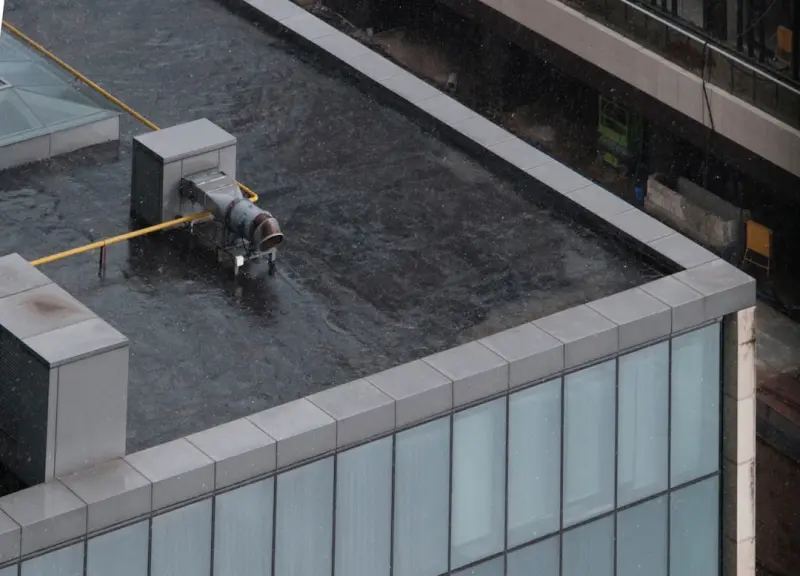
Why Waterproofing Matters More Than Ever
When you think about protecting a building, the first thing that comes to mind is usually fire safety, structural integrity, or energy efficiency. Water, however, is the silent adversary that can erode all of those pillars in a matter of weeks. A single undetected leak can lead to structural decay, mold growth, equipment failure, and skyrocketing repair bills. As a seasoned facilities strategist, I’ve watched projects crumble under the weight of water intrusion that could have been prevented with a forward‑thinking waterproofing plan. This post dives deep into the next generation of waterproofing—where chemistry meets data, sustainability meets performance, and every surface becomes an active defender against moisture.
Mapping the Invisible Pathways
Before you pour a membrane or install a sealant, you need to understand how water moves through a building envelope. The classic “rain‑on‑roof, leak‑in‑wall” model is too simplistic for today’s complex structures. Water can:
- Travel horizontally along concrete slabs due to capillary action.
- Penetrate through microscopic pores in brick or stone when hydrostatic pressure builds up.
- Infiltrate via thermal bridges where insulation meets structural elements.
- Condense on interior surfaces when vapor barriers are mis‑aligned.
By conducting a thorough hydro‑dynamic audit, you can identify the high‑risk zones—roof penetrations, balcony junctions, below‑grade walls, and even mechanical chases. The audit becomes the blueprint for a targeted waterproofing strategy rather than a blanket approach that wastes money and resources.
The Materials Evolution: From Rubber to Bio‑Based Polymers
Traditional waterproofing relied on bitumen, rubberized asphalt, or cementitious coatings. While reliable, these products often carry a heavy environmental footprint and limited flexibility. The market now offers three categories of next‑gen solutions:
- Polyurea Elastomers: Applied as a spray, they cure in seconds, forming a seamless, UV‑stable skin that stretches with building movement. Ideal for complex roof geometries and high‑traffic decks.
- Hybrid Cement‑Polymer Membranes: Combine the breathability of cement with the elasticity of polymers, allowing moisture vapor to escape while keeping liquid water out. Perfect for historic facades where preserving the original substrate is critical.
- Bio‑Based Sealants: Derived from renewable feedstocks like soy oil or lignin, these sealants deliver comparable performance with a dramatically lower carbon impact. They’re gaining traction in green‑building certifications.
Choosing the right material isn’t just about performance; it’s about aligning with broader sustainability goals and lifecycle cost analysis.
Integrating Digital Monitoring: The smart plumbing ecosystem Meets Waterproofing
Waterproofing used to be a “set‑and‑forget” discipline. Today, sensor technology lets us watch the barrier in real time. Moisture sensors embedded behind membranes feed data to a cloud platform, where AI algorithms flag abnormal spikes. When a sensor detects a 0.2% rise in humidity within a concrete slab, the system can automatically dispatch a maintenance ticket, trigger a localized dehumidifier, or even adjust HVAC setpoints to reduce condensation risk.
This convergence means:
- Early detection of micro‑leaks before they become visible.
- Predictive maintenance schedules based on actual performance, not calendar dates.
- Reduced reliance on invasive inspections, saving labor and downtime.
Implementing this digital layer starts with a modest pilot—installing a handful of wireless sensors at known high‑risk points and integrating the data stream into your existing facilities management software.
Sustainable Waterproofing: Marrying Performance with Planetary Health
Clients are demanding greener solutions, and the waterproofing industry is responding. Here are three sustainable practices you can adopt today:
- Closed‑Loop Recycling: Many manufacturers now accept used membranes for grinding and re‑formulating into new products, reducing landfill waste.
- Low‑VOC Formulations: Volatile organic compounds (VOCs) contribute to indoor air quality issues. Selecting low‑VOC or VOC‑free coatings protects both occupants and the environment.
- Renewable Energy Powered Application: Using solar‑powered pump units for membrane installation on rooftops eliminates diesel‑generator emissions on site.
When you pair these practices with the active envelope solutions already present in many modern builds, you create a synergistic system where heat, moisture, and air flow are all managed in harmony.
Case Study: Protecting a Data Center’s Core Without Compromise
Data centers are the lifeblood of SaaS platforms, yet they remain vulnerable to water intrusion. In one recent retrofit, a Tier‑III facility experienced recurring seepage through its raised floor system. The traditional remedy—adding more concrete—only increased load and cost.
The solution combined three layers:
- A polyurea spray applied to the sub‑floor, sealing every joint.
- Embedded moisture sensors linked to the building’s BMS, providing instant alerts.
- A bio‑based sealant on exterior walls to prevent lateral water migration.
Within six months, the facility reported a 0% incident rate, and the proactive monitoring saved an estimated $250,000 in potential downtime. The success story illustrates how a holistic approach—materials, data, and sustainability—delivers measurable ROI.
Implementation Roadmap: From Assessment to Ongoing Assurance
Transitioning to a modern waterproofing regime can feel daunting. Below is a pragmatic roadmap that keeps projects on schedule and budget:
- Baseline Audit: Conduct thermal imaging, moisture mapping, and structural review.
- Material Selection Matrix: Score options on durability, environmental impact, and compatibility with existing substrates.
- Digital Infrastructure Planning: Identify sensor locations, data integration points, and alert thresholds.
- Pilot Installation: Apply the chosen system to a representative area—typically a high‑risk zone like a loading dock.
- Performance Validation: Monitor for a minimum of 90 days, calibrate sensor algorithms, and adjust membrane thickness if needed.
- Full‑Scale Rollout: Deploy across the entire envelope, leveraging lessons learned from the pilot.
- Ongoing Review: Schedule quarterly data reviews and annual physical inspections to confirm long‑term integrity.
This phased approach mitigates risk, allows for data‑driven tweaks, and ensures that every stakeholder—from architects to facilities managers—understands the value proposition.
Future Trends: What’s on the Horizon?
Waterproofing will continue to intersect with emerging technologies. Anticipate these developments:
- Self‑Healing Membranes: Polymers embedded with microcapsules that release sealant when a crack forms, autonomously repairing the barrier.
- AI‑Optimized Design: Generative design tools that model water flow across complex geometries, suggesting the most efficient membrane layout.
- Carbon‑Negative Sealants: Materials that capture CO₂ during curing, turning the waterproofing layer into a climate‑positive asset.
Staying ahead means building partnerships with suppliers who invest in R&D and maintaining a culture of continuous learning within your facilities team.
Conclusion: Turning Water From Foe to Managed Resource
Waterproofing is no longer a reactive patchwork; it’s a strategic, data‑enabled, and sustainable discipline that protects assets, reduces operating costs, and supports broader ESG goals. By mapping moisture pathways, selecting advanced materials, integrating sensor networks, and committing to a lifecycle mindset, you empower your building to withstand the inevitable onslaught of water—without sacrificing performance or the planet.
Ready to upgrade your envelope? Start with a moisture audit, explore the material options highlighted above, and let the data guide your next steps. The unseen shield is waiting, and with the right approach, it can become your most reliable ally.

Tom Ferguson is a Canadian freelance writer with a passion for storytelling, current events, and thoughtful commentary. Drawing on years of writing experience, he shares engaging insights on a wide range of topics, bringing a uniquely Canadian perspective to his work.
Related Posts
Why Waterproofing is Ready for a Subscription Revolution
Why Waterproofing is Ready for a Subscription Revolution When I first got my hands dirty on a leaky ... Read More
Sustainable Waterproofing: Green Solutions for Long‑Lasting Home Protection
Explore how eco‑friendly waterproofing can safeguard your home, lower your carbon footprint, and i... Read More

Waterproofing Reimagined: From Passive Shield to Intelligent Design Asset
A deep dive into the latest waterproofing innovations—intelligent membranes, transparent systems, ... Read More
Top Posts
Solar‑Powered Edge Computing: Fueling the Next Generation Workplace
Solar‑powered edge computing merges renewable energy with on‑site data processing, delivering lower electricity bills, faster application performance, and a...Read More

Smart Roofing: From Passive Shield to Data‑Driven Asset
Discover the rise of intelligent roofs that combine green technology, solar integration, and IoT monitoring, turning the once‑overlooked rooftop into a valuab...Read More
Reimagining Masonry: From Ancient Craft to High‑Performance Building Envelope
Masonry is undergoing a renaissance, merging ancient craftsmanship with carbon‑neutral materials, embedded sensors, modular construction, and digital twins to...Read More

Turn Your Home Into a Calm Retreat Without Major Renovations
Simple, affordable tweaks—like smart lighting, hidden storage, and soothing scents—can turn any space into a tranquil sanctuary, boosting comfort and wellbe...Read More
0 Comments
Post Comment
You will need to Login or Register to comment on this post!