
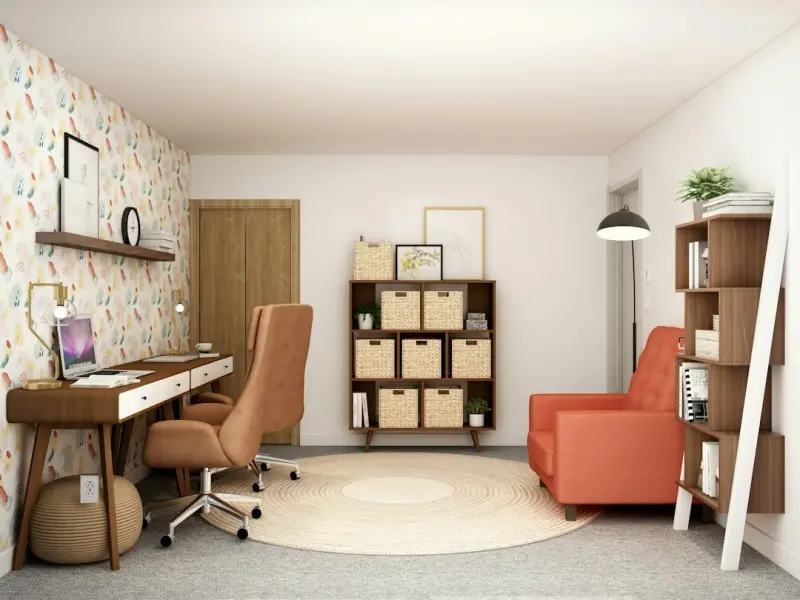
When I first stepped into my own home office, I realized the space was more than a desk and a screen—it was a living, breathing extension of my daily rhythm. The walls whispered the story of my mornings, the light sculpted my focus, and the textures under my fingertips anchored my thoughts. In the fast‑moving world of interior design, the home office has become the ultimate laboratory for blending wellness, technology, and timeless aesthetics. Below, I’ll walk you through a framework that turns any work‑from‑home nook into a future‑ready sanctuary, using biophilic principles, data‑informed color palettes, and material storytelling that feels both personal and progressive.
1. Biophilic Foundations: Bringing the Outdoors In
Biophilic design isn’t just a buzzword; it’s a scientifically backed approach that taps into our innate connection to nature. Studies show that exposure to natural elements can reduce stress, boost concentration, and even improve heart rate variability. Here’s how to embed that connection without turning your office into a greenhouse:
- Strategic Greenery: Choose plants that thrive in low‑light conditions—think ZZ plants, snake plants, or pothos. Position them at eye level to create a visual break between the monitor and the wall.
- Organic Materials: Swap synthetic desk accessories for wooden, cork, or bamboo alternatives. The subtle grain patterns reinforce a sense of groundedness.
- Natural Light Management: Install sheer, adjustable window panels that diffuse sunlight while preserving privacy. When direct light isn’t possible, invest in full‑spectrum LED fixtures that mimic daylight.
- Water Features: A small tabletop fountain or a sleek, wall‑mounted water wall introduces gentle ambient sound, which can mask disruptive background noise and improve focus.
By integrating these elements, the office becomes a micro‑ecosystem that supports both mental clarity and physical comfort.
2. Color as Data: Mapping Mood with Heat‑Map Insight
Color isn’t just aesthetic; it’s a silent communicator of emotion. In my recent research, I turned to heat maps to visualize how different hues affect concentration and calmness throughout the day. Here’s a simplified workflow you can replicate:
- Collect Baseline Data: Use a wearable device or a simple mood‑tracking app to log your stress and focus levels at various times.
- Map to Color Zones: Align higher focus scores with cooler blues and greens, while lower stress zones pair well with muted earth tones.
- Apply in Layers: Use dominant colors on large surfaces (walls, shelving) and accent colors on smaller items (desk organizers, art).
- Iterate: Reassess after a month—if the data shows a dip in productivity, consider adjusting the hue intensity or swapping a dominant color for a softer shade.
This data‑driven approach ensures that the visual language of your office isn’t just pleasing; it’s purpose‑built to enhance performance.
3. Material Storytelling: From Raw Concrete to Tactile Surfaces
Every material carries a narrative. While the trend toward polished minimalism often champions glossy finishes, I’ve found that exposing the raw beauty of concrete can create a surprisingly warm backdrop when paired with softer textiles. Here’s how to balance the industrial with the inviting:
- Concrete Accent Walls: Polished concrete provides a neutral, reflective surface that amplifies natural light. Add a matte, reclaimed‑wood desk to introduce warmth.
- Tactile Counterpoints: Incorporate woven rug fibers, linen drapes, or a leather chair—these textures offset the hardness of concrete and invite touch.
- Layered Finishes: Use a subtle, matte sealant on concrete to reduce glare while preserving its organic texture. The result feels modern yet lived‑in.
This juxtaposition tells a story of balance—urban efficiency meeting human comfort.
4. Acoustic Elegance: Quiet Power for Concentrated Work
Acoustic comfort is often overlooked in home office design, yet it directly impacts cognitive load. Instead of bulky sound‑absorbing panels, consider these elegant solutions:
- Acoustic Ceiling Tiles: Choose fabric‑wrapped tiles in neutral hues that blend seamlessly with the ceiling palette.
- Soft Furniture: Upholstered chairs and plush sofas absorb mid‑range frequencies, reducing echo without sacrificing style.
- Strategic Placement of Bookshelves: Filled shelves act as diffusers, scattering sound waves and adding visual depth.
These interventions maintain an airy aesthetic while creating a cocoon of focus.
5. Curated Art & Personal Artifacts: Crafting Narrative Through Objects
Spaces that feel personal are more motivating. Curate a rotating gallery of art, photographs, or travel souvenirs that align with your professional goals. Here’s a quick method to keep the display fresh:
- Theme Selection: Choose a unifying theme—such as “Innovation”, “Exploration”, or “Cultural Heritage”.
- Rotation Schedule: Swap pieces every quarter to keep the environment dynamic.
- Story Cards: Attach a small, discreet card beside each item describing its significance; this transforms the office into a storytelling canvas.
When the space reflects your journey, motivation becomes a natural byproduct.
6. Modular Flexibility: Future‑Proofing the Layout
As work styles evolve, so should your office layout. Embrace modular furniture that can be reconfigured for solo focus, collaborative brainstorming, or even a quick yoga break. Look for pieces with built‑in cable management, adjustable heights, and interchangeable modules. This adaptability ensures the space remains relevant as your workflow shifts.
7. Smart Integration Without Over‑Tech
While technology can streamline tasks, it’s easy to let it dominate the aesthetic. Opt for discreet, integrated solutions:
- Wireless Charging Surfaces: Embed them into the desk surface for a clean look.
- Voice‑Activated Lighting: Use smart bulbs that adjust color temperature based on the time of day, supporting circadian rhythms.
- Environmental Sensors: Small, unobtrusive devices that monitor humidity and CO₂ levels can trigger ventilation or humidifiers automatically.
These tools enhance comfort and health without turning the office into a gadget showroom.
8. The Narrative of Tiles: When Floors Speak
Flooring often goes unnoticed, yet it can be a storytelling element. Inspired by the concept of tiles that talk, select patterns that echo your brand’s DNA or personal interests. For example, a subtle hexagonal tile can echo the geometry of a tech logo, while a reclaimed wood plank adds a rustic narrative.
Pair the floor with a low‑profile rug in a complementary hue to define zones—work, relaxation, and creative brainstorming—without adding visual clutter.
9. Sustainability as a Design Lens
Beyond aesthetics, sustainability should inform material selection. Choose reclaimed or recycled furniture, low‑VOC paints, and responsibly sourced wood. These choices reduce environmental impact and convey a values‑driven brand story to visitors and clients.
10. Closing Thoughts: A Living Canvas
The home office is no longer a temporary stopgap; it’s a permanent, evolving canvas where wellbeing, productivity, and personal narrative intersect. By weaving biophilic elements, data‑informed color, material storytelling, acoustic comfort, and modular flexibility, you create a space that adapts, inspires, and endures. Remember, the most compelling interiors aren’t static—they’re alive, learning from how you interact with them and adjusting to support the best version of you.

Lifan Chen is a freelancer based in Toronto specializing in marketing. With expertise in crafting effective marketing strategies and campaigns, Lifan helps businesses grow their brand presence and reach target audiences. As a Toronto-based freelancer, Lifan combines local market insights with creative marketing skills to deliver tailored solutions for clients.
Related Posts
Designing Adaptive Spaces for the Modern Lifestyle
A deep dive into how fluid layouts, human‑centered color choices, acoustic comfort, and emerging t... Read More
Beyond Sight: Crafting Sensory‑Rich Interiors for Brand Impact
Explore a holistic approach to interior design that engages all five senses, aligning visual, audito... Read More
Listening to Spaces: The Quiet Power of Sound, Color, and Texture in Interior Design
Discover why interior design now hinges on more than visual appeal. This article reveals how soundsc... Read More
Top Posts

From Cracked Driveways to Sustainable Pavements: My Hands‑On Journey
A personal, step‑by‑step account of turning a cracked driveway into a durable, eco‑friendly, and heated pavement that boosts curb appeal and home comfort....Read More
Bringing Nature Inside: How Biophilic Commercial Renovations Drive Business Success
Explore the power of biophilic design in commercial renovations—learn how natural elements improve health, productivity, and ROI while creating adaptable, fut...Read More
Sustainable Home Restoration: A Greener Future for Your Home
Sustainable home restoration is a critical step towards creating a greener future for our homes and our planet. Learn about eco-friendly materials, energy-effic...Read More
Concrete’s Quiet Revolution: How Modern Mixes, Modular Pods, and Smart Sensors Are Changing Homebuilding
Explore the transformative power of modern concrete—from ultra‑strong mixes and modular construction to smart sensors—offering homeowners durability, sust...Read More
0 Comments
Post Comment
You will need to Login or Register to comment on this post!