
Seeing the Future Through the Frame: How Modern Window Treatments Are Redefining Space
When I first walked into a loft with floor‑to‑ceiling glass, the light was a wild thing – bright, uncontrolled, and frankly a bit intimidating. I’ve spent the better part of two decades wrestling with light, shade, and the spaces they inhabit. Today, the conversation around window treatments has moved far beyond the simple “curtain or blind” dilemma. It’s about intelligent light choreography, health‑centric design, and a commitment to sustainability that respects both the building envelope and the planet.
From Passive Drapes to Active Light Management
Historically, window coverings were static: a heavy drape that you pulled shut at night, a wooden blind you angled manually. Those solutions served a purpose, but they also forced occupants into a binary relationship with daylight – either you were in the glare or you were in the dark.
The next wave of window treatments embraces dynamic light management. Motorized fabrics, electrochromic films, and responsive textile blends can now sense ambient light levels, temperature, and even occupancy, adjusting themselves in real time. Imagine waking up to a gentle sunrise simulation, the blinds gradually raising to welcome the day, while a smart shade on the west side automatically lowers as the afternoon sun threatens to overheat the living room.
This isn’t a gimmick; it’s a performance‑based approach that aligns with the growing demand for energy‑efficient interiors. By modulating solar gain, these systems can shave up to 30% off cooling loads in hot climates and reduce reliance on artificial lighting during winter months. The result? A comfortable indoor environment that feels tailor‑made for its occupants without the waste of constantly fiddling with cords or strings.
Health‑First Window Treatments: More Than Just Light
We’ve all heard the buzz about indoor air quality, but the role of window treatments in human health is often overlooked. Modern fabrics can be engineered to filter airborne particulates, reduce UV‑induced fading, and even dampen sound. The integration of acoustic‑absorbing fibers within curtains, for instance, creates a subtle yet measurable reduction in reverberation – an insight I first explored while reading about Acoustic Plaster in interior walls.
Moreover, certain smart shades feature built‑in sensors that track indoor pollutant levels. When particulate matter spikes, the system can automatically close to limit infiltration from the outside, then re‑open once filters are refreshed. This kind of responsive barrier is a game‑changer for allergy sufferers and anyone looking to maintain a cleaner breathing environment without sacrificing natural light.
Sustainable Fabrics: Closing the Loop on Window Dressings
The push toward circular design has infiltrated every corner of the built environment, and window treatments are no exception. Traditional polyester curtains, while affordable, contribute to microplastic pollution and often end up in landfills. Designers are now turning to bio‑based fibers such as hemp, linen, and even recycled ocean plastics. These materials not only lower the carbon footprint of production but also offer superior durability and breathability.
One particularly exciting development is the use of mycelium‑grown textiles. By harnessing the natural growth patterns of fungi, manufacturers can create lightweight, biodegradable panels that mimic the texture of woven fabrics. When their lifespan ends, they compost back into the soil, completing a true cradle‑to‑cradle cycle.
If you’re curious about how other building components are embracing sustainability, check out the Green Renaissance of Plaster. The same principles of material reuse and low‑impact production apply across the board, reinforcing a holistic approach to eco‑friendly design.
Smart Integration: Window Treatments in the Connected Home
For those who have already invested in a smart thermostat or voice‑controlled lighting, adding intelligent window treatments feels like a natural next step. Modern systems speak the same protocols – Zigbee, Matter, Wi‑Fi – and can be orchestrated through a single app or voice command. Ask your assistant to “dim the living room” and watch the blinds tilt, the curtains fold, and the lights dim in a seamless cascade.
But the real power lies in automation. By linking window treatments to occupancy sensors, you can ensure that a room’s shade is only open when someone is present, preserving privacy and energy efficiency. Integration with weather APIs means your blinds can pre‑emptively close before a storm, protecting interior furnishings from wind‑driven debris.
In practice, this means less manual adjustment and more time spent enjoying the space. The synergy between lighting, HVAC, and window coverings creates a responsive environment that feels alive – a living room that cools itself before you feel the heat, a bedroom that darkens just as you start to unwind.
Design Aesthetics: Balancing Form and Function
Technology is only part of the story. The visual language of window treatments continues to evolve. Minimalist, motorized roller shades in matte black or brushed metal finish have become a staple in modern lofts, providing a sleek backdrop that lets the architecture shine. On the other end of the spectrum, artisanal hand‑woven curtains in natural dyes add warmth and texture to more traditional interiors.
One trend I’m particularly excited about is the resurgence of layered shading. By combining a sheer, UV‑filtering inner layer with a heavier blackout outer layer, designers can offer occupants granular control over glare, privacy, and insulation. This approach also enhances acoustic performance – the inner layer absorbs high‑frequency sound while the outer layer dampens lower frequencies.
When planning a renovation, I often advise clients to start with a Renovation Checklist that includes a dedicated window‑treatment audit. Ask yourself: What are the primary functions of each window? Which rooms demand privacy versus daylight? How will the treatment interact with the overall color palette and material palette?
The Future of Window Treatments: Anticipating the Next Shift
Looking ahead, I see three key drivers shaping the next generation of window dressings:
- Biophilic Integration: Fabrics embedded with live moss or algae panels that not only filter air but also bring a touch of nature indoors.
- Energy Harvesting: Thin photovoltaic films woven into shades that capture sunlight to power small devices or feed back into the home grid.
- Data‑Driven Personalization: Machine‑learning algorithms that learn individual light preferences and automatically adjust settings for optimal comfort.
These innovations promise to blur the line between architecture, interior design, and technology, creating spaces that are not just inhabited but actively nurtured.
Practical Takeaways for the Modern Designer
Whether you’re a seasoned architect, an interior designer, or a homeowner embarking on a DIY upgrade, here are actionable steps to bring these concepts to life:
- Audit Light Patterns: Use a light meter to map out sunrise, midday, and sunset glare across each window. Identify zones where glare is a problem and prioritize dynamic treatments there.
- Choose Sustainable Materials: Opt for fabrics with recycled content or bio‑based fibers. Verify certifications such as GOTS (Global Organic Textile Standard) or Cradle‑to‑Cradle.
- Plan for Integration: Select window‑treatment hardware that supports the same smart home protocol as your existing devices. This future‑proofs the installation.
- Layer for Flexibility: Combine sheer and blackout layers to address multiple needs without swapping out entire systems.
- Consider Health Impacts: Look for fabrics with built‑in acoustic or air‑filtering properties, especially in spaces where occupants spend long hours, like home offices.
By weaving these strategies into your design process, you’ll create interiors that respond intelligently to light, protect health, and honor the planet – all while delivering a polished aesthetic that feels contemporary and timeless.
Closing Thoughts: The Window as a Living Interface
Windows have always been portals – a visual connection between interior and exterior. Today, with the advent of smart, sustainable, and health‑centric treatments, they’re evolving into living interfaces that actively shape the environment they frame. The next time you draw a curtain, think of it not as a simple act of covering glass, but as a moment where technology, design, and wellbeing intersect.
If you’re ready to explore how these ideas can transform your next project, let’s start the conversation. The future of window treatment is bright, adaptable, and wonderfully nuanced – just like the spaces we strive to create.

Craig Brett is a freelancer with a passion for the outdoors. His love for nature inspires his work, bringing authentic and engaging perspectives to projects related to outdoor activities, adventure, and environmental topics.
Related Posts

Reinventing Window Treatments: The New Frontier of Wellness and Productivity
Explore how adaptive window treatments transform indoor environments by enhancing health, reducing n... Read More
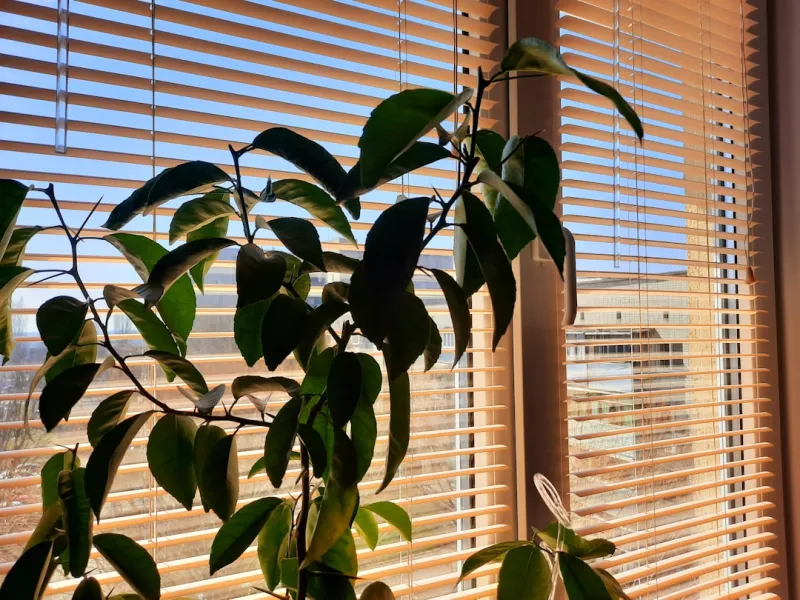
Sustainable Window Treatments: Style Meets Eco‑Efficiency
Explore the art of eco‑friendly window treatments that blend design, smart tech, and sustainabilit... Read More
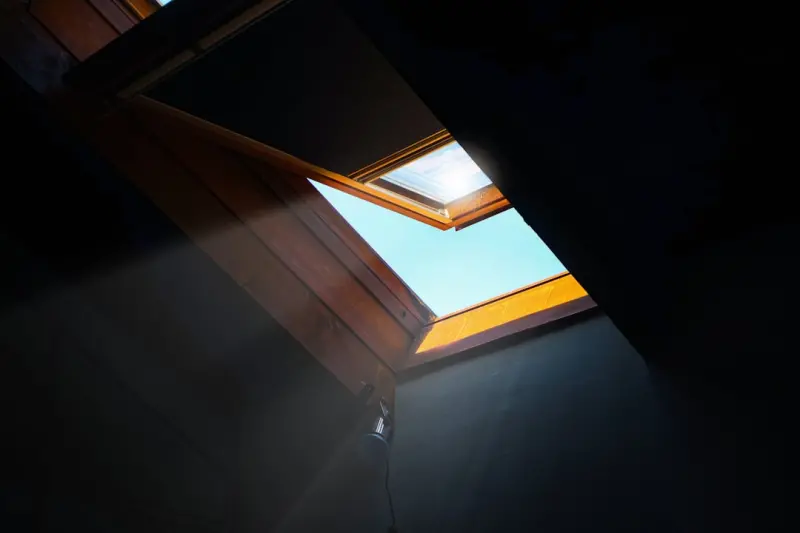
Transforming Light: The Latest Window Treatment Trends for a Sustainable Home
Explore how modern window treatments merge design, technology, and sustainability, offering smarter ... Read More
Top Posts

Beyond Cracks: Harnessing Smart Tech for Foundation Longevity
Explore how real‑time monitoring, data‑driven predictions, and low‑carbon repair materials are reshaping foundation repair from reactive fixes to proactiv...Read More
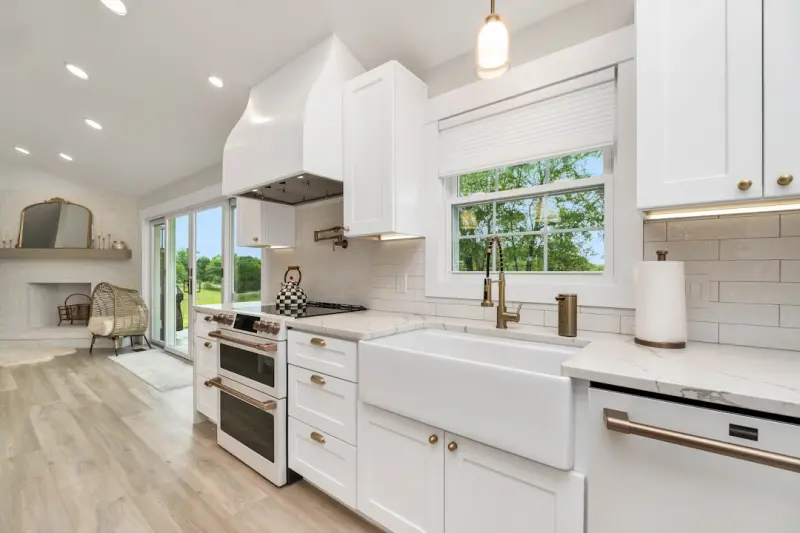
The Kitchen as a Storytelling Canvas: Renovation Ideas That Engage All Senses
A kitchen renovation isn’t just about cabinets and appliances; it’s about crafting a space that engages the senses, tells a story, and adapts to changing ne...Read More
Reimagining Your Garage: The Ultimate Multi‑Purpose Makeover
Discover how to transform a traditional garage into a versatile, sustainable, and stylish hub—boosting home value while supporting modern lifestyle needs....Read More
Subscription Appliance Repair: The Business Edge You’ve Been Missing
Subscription‑style appliance repair transforms unpredictable emergency costs into a strategic, data‑driven service, delivering financial predictability, fas...Read More
0 Comments
Post Comment
You will need to Login or Register to comment on this post!