
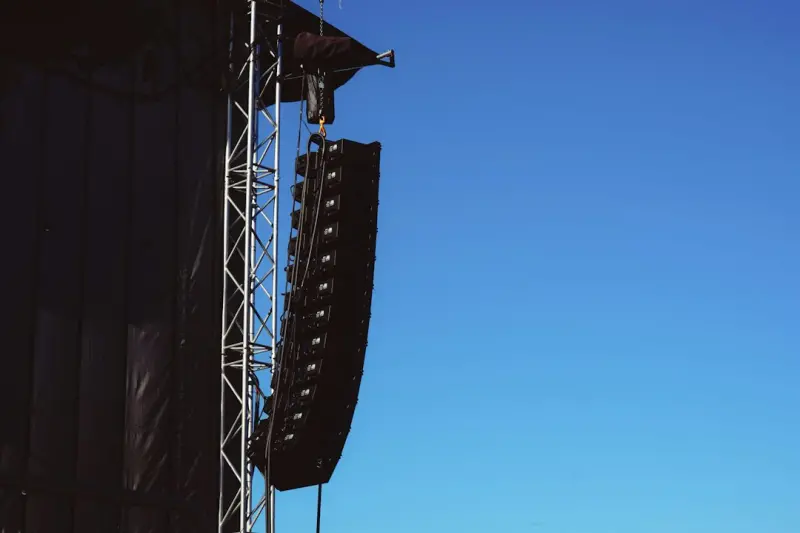
Why Your Building’s Walls Might Be Talking to You (And How to Listen)
When I first inherited an aging apartment complex in downtown, my biggest fear wasn’t the crumbling plaster or the flickering fluorescents—it was the silence. The building seemed to whisper nothing at all, and that quiet was unsettling. Over the past decade I’ve learned that the absence of sound is often a warning sign, just as a sudden clatter can be a cry for help. In this post I’ll walk you through how to turn acoustic and vibration data into a proactive maintenance strategy that not only catches problems early but also transforms routine upkeep into an elegant, data‑driven ritual.
The Science Behind Building Acoustics
Every structure is a living resonator. From the hum of HVAC fans to the subtle groan of a steel beam expanding under heat, these vibrations travel through walls, floors, and ceilings. When something goes awry—say, a pipe begins to leak or a wall starts to settle—the pattern of sound changes. Modern sensors, originally designed for industrial machinery, can now be miniaturized and mounted discreetly on a ceiling tile or inside a wall cavity. They capture frequencies that are inaudible to the human ear, translate them into digital signatures, and send the data to a cloud dashboard where analytics can spot anomalies within minutes.
From “Reactive” to “Predictive”: The Real Cost Savings
Traditional property maintenance is reactive: a tenant calls, a contractor arrives, and a repair is made—often after damage has already spread. According to industry studies, reactive repairs can cost up to three times more than preventive fixes. By integrating acoustic monitoring, you gain a predictive edge. Imagine a sensor picking up a low‑frequency rumble in a pipe that precedes a leak by days. You dispatch a plumber before water escapes onto the floor, sparing you both the mess and the expense of replacing flooring.
Choosing the Right Sensors for Your Property
The market now offers three main categories of acoustic devices:
- Passive microphones – Best for open‑area monitoring like lobbies or large retail spaces where you want to capture ambient noise trends.
- Piezoelectric vibration sensors – Ideal for structural components such as beams, columns, and concrete slabs. They are rugged and can detect minute shifts in stress.
- Ultrasonic leak detectors – Perfect for plumbing and HVAC ducts, these emit high‑frequency waves and measure the echo to locate hidden leaks.
For a multi‑unit residential building, a hybrid approach works best: place passive mics in common corridors, piezo sensors in load‑bearing walls, and ultrasonic units near water heaters and chillers. The key is to start small, map the acoustic baseline, and expand as confidence grows.
Integrating Acoustic Data with Existing Maintenance Platforms
If you already use a computer‑aided facilities management (CAFM) system, most modern acoustic platforms offer API integrations that feed real‑time alerts directly into your work order queue. This creates a seamless loop: sensor detects anomaly → software tags location and severity → maintenance team receives a prioritized ticket. The workflow mirrors what I learned from the Preventive Maintenance Playbook, but with an added layer of intelligence that can even predict the “when” of a failure, not just the “what.”
Case Study: A Boutique Hotel’s Journey from Creaks to Calm
One of my recent projects involved a 30‑room boutique hotel housed in a converted warehouse. The owner complained about “random creaks” that disturbed guests at night. We installed a network of piezo sensors along the exposed steel trusses and a set of ultrasonic detectors near the rooftop condensers. Within a week the system flagged a recurring low‑frequency vibration in one corner of the building, correlating with the hotel’s HVAC cycling schedule.
Further investigation revealed a misaligned expansion joint that, under thermal stress, was rubbing against the steel framing. A simple realignment eliminated the noise, improved system efficiency, and earned the hotel a “quiet room” certification—an unexpected marketing boost that increased occupancy by 12%.
Balancing Privacy Concerns with Acoustic Monitoring
It’s natural to wonder whether microphones in common areas might infringe on tenant privacy. The answer lies in how you deploy them. Most acoustic maintenance solutions operate on a “sound‑energy” basis rather than recording intelligible speech. They measure amplitude and frequency, not content. By configuring the firmware to discard any data that exceeds a predefined dB threshold (the level at which human conversation occurs), you can assure occupants that no private conversations are being stored.
Maintenance Rituals: Turning Data Into Actionable Habits
Data without action is just noise. I recommend establishing a weekly “Acoustic Review” meeting—just 30 minutes—where the facilities team scans the dashboard, notes any emerging patterns, and assigns tasks. Over time, you’ll develop an intuition for the building’s “normal” soundscape, much like a musician learns to hear the perfect pitch. This habit not only reduces emergency calls but also fosters a culture of stewardship among staff and tenants.
Future‑Proofing Your Building with Smart Sound
As the Internet of Things (IoT) continues to mature, acoustic sensors are becoming more energy‑efficient and capable of edge‑computing—processing data locally before sending only anomalies to the cloud. This reduces bandwidth usage and speeds up response times. In the coming years we’ll likely see acoustic data fused with other building health metrics like humidity, temperature, and energy consumption, creating a holistic “digital twin” of the property that can run simulations and suggest upgrades before any physical work is required.
Getting Started: A Step‑by‑Step Starter Kit
Ready to give your property ears? Here’s a quick launch plan:
- Audit the building: Identify high‑risk zones—plumbing stacks, HVAC rooms, load‑bearing walls.
- Select pilot sensors: Start with one passive mic in a common area and one ultrasonic detector near the main water line.
- Establish a baseline: Run the sensors for two weeks to capture normal acoustic signatures.
- Set thresholds: Define what constitutes a deviation (e.g., a 5 dB rise in low‑frequency rumble).
- Integrate with CAFM: Use API keys to push alerts into your existing maintenance workflow.
- Train the team: Conduct a brief workshop on interpreting acoustic alerts.
- Scale gradually: Expand sensor coverage room by room, refining thresholds as you learn.
Remember, the goal isn’t to replace your skilled tradespeople but to give them a heads‑up—so they arrive with the right tools, at the right time.
Conclusion: Let Your Building Speak, and Listen Attentively
Buildings have always communicated through creaks, drafts, and leaks. Modern acoustic technology simply amplifies those whispers into actionable insights. By listening closely, you not only protect your investment but also create a more comfortable, quieter, and ultimately more valuable environment for everyone who steps through the door. So the next time you hear a faint hum in the hallway, consider it an invitation to investigate—not a nuisance to ignore.

When it comes to the world of blogging and writing, Rose DesRochers is a name that stands out. Her passion for creating quality content and connecting with her audience has made her a trusted voice in the industry. Aside from her skills as a writer and blogger, Rose is also known for her compassionate nature.
Related Posts

Predictive Maintenance: Turning Property Care into a Strategic Asset
A deep dive into turning property maintenance from reactive repairs into a strategic, data‑driven ... Read More
Harnessing Predictive Analytics to Transform Property Maintenance
A deep dive into building a data‑driven, predictive maintenance ecosystem—covering sensor strate... Read More
Predictive Analytics: Transforming Property Maintenance for Smarter, Safer Homes
Learn how leveraging sensors, AI, and tenant portals turns routine upkeep into a proactive, cost‑s... Read More
Top Posts

Beyond the Sheet: How Innovative Drywall Practices Are Redefining Interiors
A deep dive into modern drywall trends—from low‑VOC joint compounds and smart tools to moisture‑resistant boards and integrated tech—showing how to crea...Read More

The Garage Door Revolution: Sustainable Upgrades That Pay Off
Explore why garage doors matter for sustainability, the best eco‑friendly materials, smart automation, and maintenance tricks that lower bills and carbon foot...Read More

Solar Energy as a Strategic Infrastructure Layer for Modern Enterprises
Solar isn’t just about saving on electricity bills—it can serve as a core infrastructure element that powers edge computing, informs predictive maintenance,...Read More

Why Your Roof Is the Secret Weapon for Boosting Home Value
A roof isn’t just protection—it’s a powerful value‑adder. Learn the materials, design tricks, and upkeep strategies that turn your roof into a market‑...Read More
0 Comments
Post Comment
You will need to Login or Register to comment on this post!