
Why Preventive Maintenance Is the Backbone of Property Longevity
Every homeowner eventually learns that reactive repairs drain both time and money, but the true secret to preserving value lies in staying one step ahead. A well‑crafted preventive maintenance plan transforms a property from a series of surprise expenses into a predictable, low‑stress asset. By scheduling routine inspections, you catch wear before it escalates, ensuring that minor fixes—like tightening a loose hinge or clearing a clogged drain—don’t snowball into costly overhauls. This proactive mindset also builds confidence with tenants, lenders, and future buyers, who see a property that’s cared for rather than merely survived.
Mapping Out a Year‑Round Maintenance Calendar
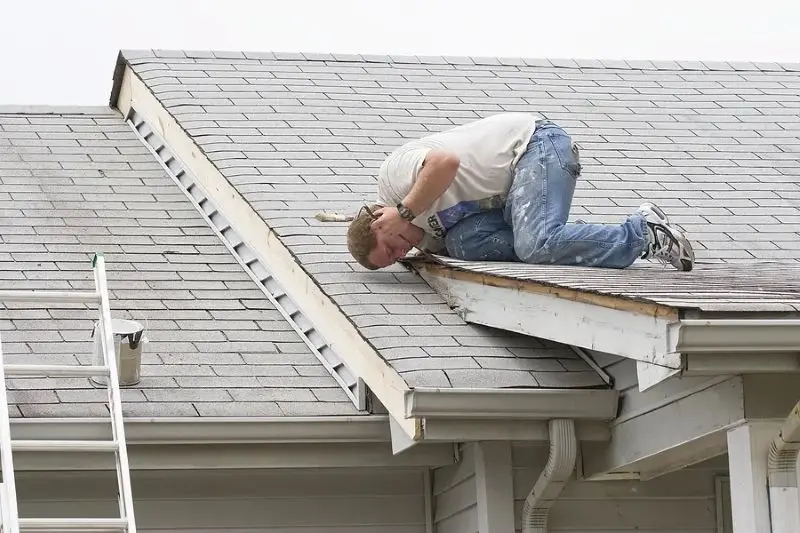
Designing a calendar starts with breaking the year into four seasonal blocks, each with its own set of priorities. In spring, focus on exterior inspections: check roof flashing, clear debris from gutters, and test the functionality of exterior lighting. Summer calls for HVAC efficiency checks, sealant inspections around windows, and a thorough review of irrigation systems to prevent water waste. Autumn is the perfect time to service heating equipment, clean dryer vents, and prep outdoor spaces for winter weather. Finally, winter tasks include monitoring for ice dam formation, testing smoke and CO detectors, and ensuring that all plumbing is insulated against freezing temperatures. By aligning tasks with natural weather cycles, you reduce the likelihood of weather‑related emergencies.
Essential Tools Every Property Owner Should Keep Handy
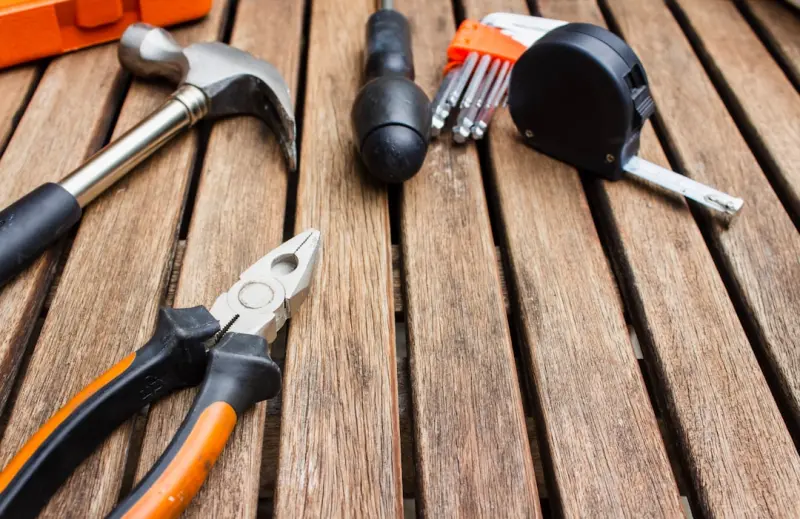
While you don’t need a full‑blown workshop, a curated set of tools can make routine upkeep a breeze. A quality cordless drill, a set of calibrated torque wrenches, and a reliable moisture meter are foundational. Add a digital multimeter for quick electrical diagnostics, and a high‑visibility flashlight for tight crawl spaces. For exterior tasks, a sturdy ladder with lockable feet and a leaf‑blowing vacuum keep you safe and efficient. Investing in these tools up front pays dividends each season, turning what could be a professional call‑out into a simple weekend project.
Leveraging Technology to Simplify Scheduling
Modern property management isn’t limited to paper checklists; there are apps designed to automate reminders, track completed work, and store warranty information. Platforms like handyman’s profit blueprint provide templates that integrate cost tracking with calendar alerts, ensuring you never miss a seasonal task. By syncing these apps with smart home devices—such as leak detectors that send push notifications—you gain real‑time insight into potential issues, allowing you to dispatch a contractor before water damage spreads. The synergy of technology and a solid maintenance plan dramatically reduces downtime and preserves property integrity.
Prioritizing Safety Checks to Protect Occupants
Safety isn’t just a checkbox; it’s a vital component of responsible ownership. Begin each season with a thorough review of fire safety equipment: test smoke alarms, replace batteries, and verify that fire extinguishers are within date. Next, inspect all stair railings, balcony railings, and guardrails for stability, tightening any loose bolts and addressing corrosion promptly. Don’t overlook the importance of proper lighting in high‑traffic areas—adequate illumination deters trips and falls, especially for elderly residents. By embedding these safety audits into your routine, you create a secure environment that enhances tenant satisfaction and reduces liability.
Maintaining the Exterior Envelope: Walls, Windows, and Doors
The building envelope acts as the first line of defense against weather and pests. Annual inspections should include a close look at caulking around windows and doors, resealing any gaps that develop with age. Check for signs of rot or mold on siding, and address minor cracks with appropriate sealants before moisture infiltrates the structure. For properties with older wooden frames, consider a targeted application of a breathable, water‑repellent coating to extend the life of the material without trapping moisture. A diligent exterior maintenance routine not only improves curb appeal but also sustains the thermal efficiency that homeowners value.
Integrating Interior Aesthetics with Functional Upkeep
While many focus solely on structural elements, the interior spaces deserve equal attention to maintain both beauty and function. Schedule periodic deep‑cleaning of HVAC ducts to improve indoor air quality, and rotate carpet cleaning every six months to prevent embedded dirt from degrading fibers. For high‑traffic areas, protect hardwood floors with area rugs and use felt pads under furniture legs to avoid scratches. When updating spaces, consider solutions like smart modular closets that combine organization with sleek design, reducing clutter that can hide maintenance issues such as water leaks or pest activity.
Documenting Work for Long‑Term Value and Resale
A comprehensive maintenance log serves as a powerful selling point when the time comes to list the property. Keep digital records of each task, including dates, photos, receipts, and contractor details. This transparent history demonstrates to potential buyers that the home has been meticulously cared for, often translating into higher appraisal values. Additionally, a well‑organized file simplifies warranty claims, as you can quickly locate proof of proper upkeep. Over time, these records become a legacy of stewardship, reinforcing the notion that diligent maintenance is an investment rather than an expense.
Creating a Maintenance Culture Among Tenants
Engaging tenants in the upkeep process not only distributes responsibility but also cultivates a sense of pride in the property. Provide a welcome packet that outlines seasonal tasks they can perform—like replacing HVAC filters, reporting minor water stains, or keeping fire exits clear. Offer incentives such as a small rent credit for tenants who submit quarterly maintenance logs. By fostering open communication and shared expectations, you reduce the likelihood of neglect and create a collaborative environment where everyone benefits from a well‑maintained home.
Conclusion: Turning Maintenance into a Competitive Advantage
Property maintenance isn’t merely a list of chores; it’s a strategic framework that protects investment, enhances livability, and differentiates your property in the market. By establishing a seasonal calendar, equipping yourself with essential tools, harnessing technology, and involving tenants, you convert routine upkeep into a competitive edge. The result is a resilient, attractive property that stands the test of time, delivering peace of mind and financial returns for years to come.

When it comes to the world of blogging and writing, Rose DesRochers is a name that stands out. Her passion for creating quality content and connecting with her audience has made her a trusted voice in the industry. Aside from her skills as a writer and blogger, Rose is also known for her compassionate nature.
Related Posts

Build a Maintenance Dashboard: Your Property’s Command Center
A maintenance dashboard consolidates tasks, vendor data, budgets, and sensor alerts into a single in... Read More
Why Proactive Property Maintenance Pays Off More Than You Think
A practical guide to turning routine upkeep into a profit‑driving strategy, with seasonal checklis... Read More

Why HVAC Maintenance Is the Secret Weapon for Home Comfort and Savings
Learn why proactive HVAC maintenance is essential for comfort, health, and cost savings, and get a s... Read More
Top Posts
The Evolution of Sustainable Home Construction: Trends and Innovations
Learn about the evolution of sustainable home construction, including the latest trends and innovations in energy-efficient design, eco-friendly materials, and ...Read More
The Ultimate Guide to Kitchen Renovations: Transforming Your Space with Style and Functionality
Kitchen renovations can transform your cooking space into a beautiful and efficient area. Learn how to plan, design, and execute a successful kitchen renovation...Read More
How to Spot and Fix Foundation Issues Before They Cost a Fortune
Discover practical signs of foundation trouble, sustainable repair options, and preventive steps to safeguard your home’s stability and value....Read More

Breathing New Life into Your Outdoor Space: The Transformative Power of Awnings
Awnings can transform your outdoor space into a haven of comfort and style. Learn about the benefits, styles, and installation options of awnings....Read More
0 Comments
Post Comment
You will need to Login or Register to comment on this post!