
Why the Woodworking World Needs a Circular Turn
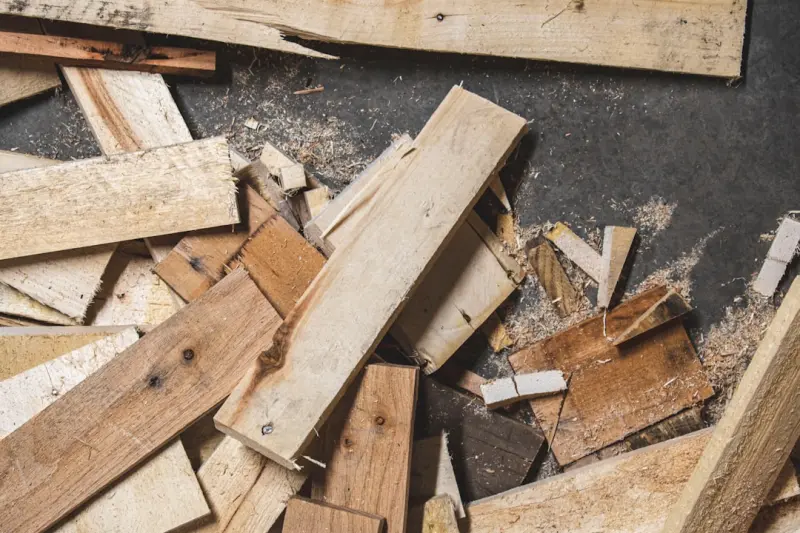
When I first set up my modest workshop, the scent of fresh‑cut pine was as intoxicating as a new idea. Over the years, I’ve watched piles of off‑cuts accumulate like silent witnesses to every project that slipped through my hands. The truth is simple: the traditional “use‑and‑discard” mindset in woodworking is no longer sustainable, nor is it inspiring. By rethinking waste as a resource, we can transform every scrap into a statement piece, a functional tool, or even a revenue stream that aligns with today’s eco‑conscious market.
Understanding the Real Cost of Wood Waste
Most woodworkers measure success by the precision of a joint or the finish on a tabletop. Rarely do we calculate the hidden cost of the material that never makes it to the final product. Off‑cuts, mis‑cuts, and rejected boards not only eat into profit margins, they contribute to deforestation pressures and landfill overload. In a world where circular economy principles are reshaping industries from fashion to tech, woodworking has a unique opportunity to lead by example—turning what once was waste into valuable, marketable goods.
Designing for Zero Waste: The Planning Phase
The first step toward a circular practice starts long before the first cut. Instead of reacting to waste, I now design with waste in mind. This means mapping out each project on graph paper (or a digital layout tool) and visualizing where each piece will fall. By nesting cuts—much like a puzzle—you can maximize yield from a single board. If a slat is too short for its intended purpose, I immediately note its dimensions and brainstorm secondary uses, such as a wall hook, a decorative inlay, or a component for a future piece.
- Choose standard board widths that match the majority of your designs.
- Allocate a “scrap bin” project list that evolves as new ideas arise.
- Document each off‑cut with a quick photo and size note for future reference.
This disciplined approach reduces the surprise of leftover wood and creates a living inventory of raw material ready for repurposing.
Upcycling Off‑Cuts Into Functional Art
One of my favorite breakthroughs was discovering that a 6‑inch by 12‑inch strip can become a stylish floating shelf when paired with hidden brackets. Another scrap turned into a set of minimalist coasters that now sell alongside my custom tables. The key is to view each piece as a canvas for creativity, not as a mistake. Here are three proven categories for upcycled wood:
- Home accessories – coat racks, key holders, candle bases.
- Furniture accents – inlays, drawer pulls, table legs.
- Outdoor installations – garden markers, birdhouses, planters.
By diversifying the product line, you not only minimize waste but also tap into new market niches that value handcrafted, sustainable items.
Leveraging Digital Tools Without Losing the Hand‑Made Feel
While I cherish the tactile joy of a handsaw, there’s undeniable value in letting technology guide material selection. A recent read on how digital tools are reshaping wood selection highlighted how software can predict grain patterns, moisture content, and optimal cutting layouts. By integrating such insights, you can reduce the likelihood of rejects and ensure each board’s natural beauty is showcased in its final form. The goal isn’t to replace the artisan’s eye but to augment it with data that protects both your time and the forest.
Building a Brand Around Sustainability
Customers today are more discerning than ever. They ask, “Where does this wood come from?” and “What happens to the leftovers?” By openly sharing your circular process—through behind‑the‑scenes videos, blog posts, or a simple tag on product listings—you transform a production choice into a compelling brand narrative. This transparency not only differentiates you from mass‑produced competitors but also justifies a premium price point for responsibly crafted pieces.
Consider adding a small card to each sale that explains the origin of the wood, the percentage of reclaimed material used, and a QR code linking to a gallery of upcycled projects. It turns a transaction into an educational moment, fostering loyalty and word‑of‑mouth referrals.
Monetizing Scrap: From Side‑Hustle to Revenue Stream
When I first sold a set of reclaimed‑wood coasters at a local market, the profit was modest but eye‑opening. Since then, my “scrap shop” has become a regular feature at craft fairs and online marketplaces. The secret? Pricing them based on the story they carry, not just the material cost. A 2‑inch by 4‑inch off‑cut turned into a small decorative accent can fetch a price comparable to a brand‑new item if the buyer values sustainability.
To scale this side‑hustle, consider:
- Batch‑producing a limited run of upcycled items each month.
- Offering custom orders where clients provide their own scrap to be transformed.
- Partnering with local cafés or boutiques to display and sell your pieces on consignment.
Future‑Proofing Your Workshop
Adopting a circular workflow is more than a trend; it’s a strategic move that prepares your business for evolving regulations, rising material costs, and shifting consumer expectations. As governments tighten standards on waste and emissions, workshops that already prioritize zero‑waste practices will find compliance easier and may even qualify for green incentives.
Moreover, the skills you develop—material optimization, creative repurposing, digital‑assisted planning—are transferable across the broader maker ecosystem. Whether you expand into CNC‑cut bespoke pieces or teach community classes on upcycling, the foundation you build now will keep your craft relevant for years to come.
Getting Started: A 7‑Day Action Plan
Ready to turn scrap into a strategic asset? Here’s a quick roadmap:
- Day 1–2: Audit your current inventory of off‑cuts; photograph and catalog them.
- Day 3: Sketch three upcycled product ideas that use the most abundant scrap dimensions.
- Day 4: Test a digital layout tool to improve cutting efficiency on your next project.
- Day 5: Build prototypes of the upcycled items; document the process.
- Day 6: Photograph and write a short story for each piece; set up a simple online listing.
- Day 7: Share the launch on social media, emphasizing the zero‑waste journey.
Within a week you’ll have tangible products, a compelling narrative, and a clearer path toward a waste‑free workshop.
Closing Thoughts
Woodworking has always been about shaping raw nature into something purposeful. By embracing circular principles, we honor that heritage while meeting the demands of a planet that can’t afford endless extraction. Each off‑cut is an invitation to innovate, each reclaimed piece a testament to what’s possible when craft meets conscience. Let’s stop seeing waste as a problem and start seeing it as the raw material for our next great creation.

When it comes to the world of blogging and writing, Rose DesRochers is a name that stands out. Her passion for creating quality content and connecting with her audience has made her a trusted voice in the industry. Aside from her skills as a writer and blogger, Rose is also known for her compassionate nature.
Related Posts
Woodworking as a Personal Wellness Toolkit
Discover how the tactile art of woodworking can become a daily wellness practice, offering stress re... Read More
Turning Wood Offcuts into High‑Value Creations
Discover how to transform workshop scrap into profitable, eco‑friendly products. This guide offers... Read More
Reviving Hand‑Tool Mastery: Traditional Joinery for Modern Makers
A deep dive into the growing trend of hand‑tool woodworking, covering the benefits of traditional ... Read More
Top Posts

The Evolution of Sustainable Windows and Doors
Sustainable windows and doors are revolutionizing the world of home design. Learn how eco-friendly practices are reducing energy consumption, improving air qual...Read More

Why Carpet Care is the Backbone of Healthy, Efficient Buildings
A deep dive into the hidden benefits of carpet cleaning, revealing its role in enhancing indoor air quality, cutting energy costs, and promoting sustainable bui...Read More
Transform Your Basement into a Year‑Round Wellness Hub
A fresh look at turning under‑used basements into vibrant, healthy spaces that support work, relaxation, and eco‑friendly living....Read More
Rediscovering Handcrafted Joinery: Why the Needle‑Nose Still Matters
A deep dive into the resurgence of hand‑cut joinery, showing how reclaimed timber, ergonomic workshops, and selective use of digital tools empower modern wood...Read More
0 Comments
Post Comment
You will need to Login or Register to comment on this post!