
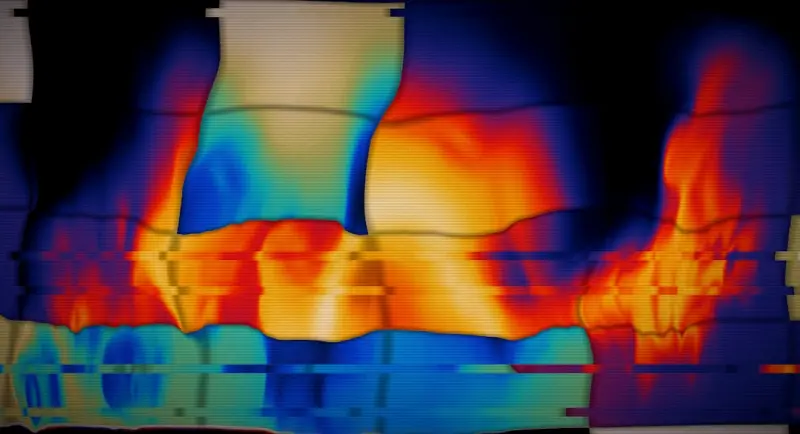
Why Thermal Mass Matters More Than Ever in Modern Masonry
When most people think about brick and stone, they picture static walls that simply hold up a building. In my 15 years of hands‑on work—from restoring century‑old firehouses to consulting on new mixed‑use towers—I’ve learned that masonry is a living system. Its greatest, often‑overlooked asset is thermal mass, the ability of dense materials to absorb, store, and release heat. In an era where energy codes tighten and occupants demand comfort without a carbon‑heavy HVAC footprint, leveraging that natural heat‑buffer can be a game‑changer.
The Physics Behind the Comfort
Thermal mass works on a simple principle: dense, high‑specific‑heat materials (like fired clay bricks, concrete blocks, or stone) require a lot of energy to change temperature. When sunlight or internal loads (people, equipment) warm the wall, the material stores that heat. As ambient temperatures dip, the same wall releases the stored energy, evening out temperature swings.
In practice, a well‑designed masonry envelope can shave up to 30 % off heating and cooling loads. The payoff is twofold: lower utility bills and a reduced carbon footprint—both of which sit squarely at the heart of today’s sustainability goals.
Design Strategies That Put Thermal Mass to Work
Using masonry as a thermal battery isn’t just about dumping a wall of bricks somewhere. It requires thoughtful integration into the building’s envelope and interior layout:
- Orientation and Exposure: South‑facing walls (in the Northern Hemisphere) receive the most solar gain. Pairing high‑mass walls on that façade with appropriate shading devices ensures that the wall charges during the day without overheating.
- Direct Sunlight vs. Glazing: When you combine thermal‑mass walls with high‑performance windows, consider adaptive window treatments that let daylight in when you want heat and block it when you don’t.
- Interior Placement: Exposed masonry on interior partitions or as a finished ceiling can act as a “thermal slab,” distributing heat across occupied zones. This is especially effective in open‑plan office floors where air stratification is a concern.
- Layering and Composite Systems: Pairing a thin brick veneer over a concrete core can combine aesthetics with performance. The veneer provides the historic look; the concrete core supplies the bulk of the thermal mass.
- Passive Ventilation Integration: Night‑time ventilation can flush excess heat from the mass, resetting its capacity for the next day’s solar gain—a technique known as “night flushing.”
Case Study: Retro‑Fitting an Early‑20th‑Century Office Building
One of my most rewarding projects involved a 1910 brick office block slated for adaptive reuse. The client wanted a modern, tech‑forward workspace without sacrificing the building’s historic character. By exposing the original load‑bearing brick walls on the southern façade and adding a thin interior concrete slab, we created a thermal‑mass envelope that dramatically reduced the building’s reliance on mechanical cooling.
The results were measurable:
- Peak cooling demand dropped by 28 %.
- Energy‑Star rating improved from “average” to “excellent.”
- Occupant surveys reported a 15 % increase in perceived comfort during summer months.
This success story underscores that thermal mass isn’t a gimmick; it’s a proven performance tool that can be woven into both new construction and historic preservation.
Balancing Thermal Mass with Modern Envelope Technologies
Critics sometimes argue that high‑performance glazing and airtight envelopes render traditional masonry obsolete. That’s a false dichotomy. The most resilient buildings blend the best of both worlds:
- High‑Performance Glazing: Low‑U, triple‑pane windows minimize heat loss while still allowing solar gain to charge the mass.
- Airtight Construction: Proper sealing ensures that the stored heat isn’t lost through drafts, maximizing the efficiency of the thermal battery.
- Smart Controls: Sensors that monitor wall temperature can drive automated shading or ventilation, optimizing when the mass charges or discharges.
For a deeper dive into how envelope technologies can complement masonry, check out Smart Roofing: From Passive Shield to Data‑Driven Asset. The same data‑centric mindset applies to walls when you treat them as active participants rather than passive barriers.
Choosing the Right Masonry Materials for Thermal Performance
Not all bricks are created equal. Here’s a quick guide:
- Fired Clay Bricks: Classic red bricks have a moderate density (≈ 1,800 kg/m³) and good specific heat. Ideal for historic projects.
- Concrete Masonry Units (CMUs): Higher density (≈ 2,300 kg/m³) and can be cast with additives to boost thermal conductivity.
- Engineered Stone Panels: Offer the aesthetic of natural stone with the uniformity of precast concrete, delivering consistent thermal behavior.
- Recycled Aggregate Bricks: Sustainability meets performance. Though slightly lower density, they still provide valuable mass while reducing embodied carbon.
When selecting material, consider the climate zone, interior layout, and the desired balance between aesthetic and thermal performance.
Integrating Masonry with Renewable Energy Systems
Thermal mass can be a perfect partner for on‑site renewable technologies. For example, a solar‑thermal collector can pre‑heat water that runs through pipes embedded in a concrete wall, effectively turning the wall into a large‑scale heat exchanger. This synergy reduces the load on traditional boilers and aligns with net‑zero targets.
Similarly, pairing a high‑mass wall with a building‑integrated photovoltaic (BIPV) façade can create a “thermal‑electric hybrid” envelope. The BIPV panels generate electricity while the underlying masonry stores excess heat, smoothing out temperature variations caused by fluctuating solar irradiance.
Maintenance: Keeping Your Thermal Mass Efficient
Thermal mass doesn’t require high‑tech upkeep, but a few practical steps ensure it continues to perform:
- Seal Cracks Promptly: Even tiny fissures can become thermal bridges, allowing heat to escape.
- Regular Cleaning: Dust and soot on exterior brick surfaces can reduce solar absorptivity. A gentle, low‑pressure wash restores the wall’s ability to capture sunlight.
- Insulation Review: In colder climates, adding interior insulation can protect the mass from over‑cooling during winter nights, preserving its heat‑release capability.
For a broader view of how building components can be maintained as services, see Waterproofing as a Service. The same subscription mindset can be applied to masonry health checks.
Future Trends: Smart Masonry and Adaptive Mass
While my focus here is on the low‑tech elegance of thermal mass, the future will likely see “smart masonry” that marries traditional materials with embedded sensors. Imagine walls that report their temperature in real time, allowing building management systems to fine‑tune ventilation and shading. This evolution doesn’t replace the physics of mass; it amplifies its utility.
In short, thermal mass is a timeless tool that adapts gracefully to modern demands. By respecting its properties and designing thoughtfully, architects and facility managers can unlock a passive, low‑cost path to energy resilience.
Getting Started: A Quick Checklist for Project Teams
- Identify climate zone and dominant solar exposure.
- Select masonry material with appropriate density and specific heat.
- Design façade orientation and incorporate shading devices as needed.
- Integrate high‑performance glazing and airtight detailing.
- Plan for night flushing or mechanical ventilation to reset mass.
- Consider coupling with renewable energy systems for synergistic benefits.
- Set up a maintenance schedule for crack sealing and surface cleaning.
- Explore sensor integration for data‑driven performance monitoring.
Following this roadmap, teams can harness the quiet power of masonry to create buildings that are not only beautiful but also climate‑smart and cost‑effective.

William Roy is a freelance writer originally from Montreal who moved to Ottawa with his wife of 50 years to be closer to their grandkids. Alongside his writing, William has a passion for fishing.
Related Posts
Reclaimed Brick Renaissance: Turning Old Walls into Fresh Design Statements
Explore the art of integrating reclaimed brick into contemporary spaces, balancing historic charm wi... Read More
Masonry Meets Climate Resilience: Harnessing Thermal Mass and Sustainable Materials
Masonry’s timeless durability and thermal mass are being revitalized with low‑carbon geopolymer ... Read More

Masonry Unlocked: Data‑Driven Craftsmanship for Resilient Cities
Masonry is evolving from a static craft to a data‑driven system. This post reveals how real‑time... Read More
Top Posts
Radiant Floor Heating: Unexpected Health Benefits You’re Missing
Explore the hidden health advantages of radiant floor heating—from better circulation and skin hydration to deeper sleep and cleaner air—plus practical tips...Read More
Beyond Shades: Crafting Window Treatments That Reflect Your Lifestyle
Learn how to turn ordinary windows into statements of style and function, with tips on light, fabric, sustainability, and easy DIY updates that fit any budget....Read More
Reimagining Building Foundations for a Sustainable Future
Foundations are the hidden heroes of any building; this post reveals how low‑carbon mixes, micro‑scale weatherproofing, and intelligent sensor networks can ...Read More

Harnessing Predictive Analytics to Transform Property Maintenance
A deep dive into building a data‑driven, predictive maintenance ecosystem—covering sensor strategy, machine learning models, workflow integration, and cultu...Read More
0 Comments
Post Comment
You will need to Login or Register to comment on this post!