
The Importance of Sustainable Lawn Care Practices
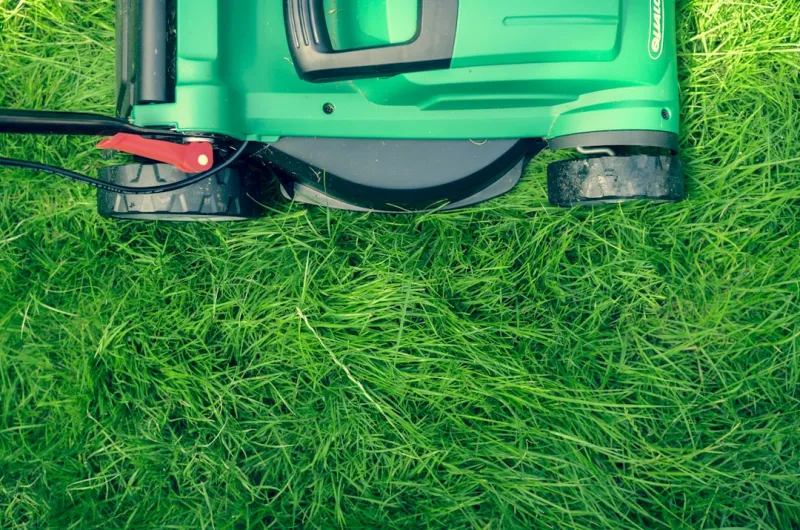
As homeowners, we often focus on making our homes more sustainable, but we tend to overlook one crucial aspect: our lawns. A well-manicured lawn can be a beautiful addition to any home, but it requires a significant amount of maintenance, which can have a negative impact on the environment. In this article, we'll explore the importance of sustainable lawn care practices and provide tips on how to make your lawn more eco-friendly.
Sustainable lawn care is not just about reducing your carbon footprint; it's also about creating a healthy and thriving outdoor space that benefits both you and the environment. Traditional lawn care practices often involve the use of chemical fertilizers, pesticides, and excessive watering, which can harm local ecosystems and waste valuable resources. In contrast, sustainable lawn care focuses on using natural methods to maintain your lawn, such as using organic fertilizers and implementing efficient irrigation systems.
One of the simplest ways to make your lawn more sustainable is to adopt a low-maintenance approach. This means choosing grass species that are native to your region and require less watering, mowing, and fertilizing. For example, buffalo grass and blue grama are two popular low-maintenance grass options that are well-suited to dry climates. Additionally, consider reducing your lawn size or replacing it with a garden or a sustainable outdoor space. Not only will this reduce your environmental impact, but it will also save you time and money.
Another key aspect of sustainable lawn care is soil health. Healthy soil is essential for a thriving lawn, and it starts with proper mowing and watering techniques. Instead of mowing your lawn short, try mowing it at a height of 3-4 inches to promote deep root growth and prevent weed growth. You should also water your lawn deeply but infrequently to encourage deep root growth and make it more resistant to drought. Furthermore, consider adding organic matter such as compost or manure to improve soil fertility and structure.
When it comes to lawn care products, it's essential to choose eco-friendly options that are free from harsh chemicals and toxins. Look for products that are labeled as organic or sustainable, and avoid products that contain artificial fertilizers or pesticides. Instead, opt for natural alternatives such as compost tea or fish emulsion to promote healthy soil and plant growth.
In addition to these tips, there are many other ways to make your lawn more sustainable. For example, consider using rainwater harvesting systems to collect and store rainwater for irrigation. You can also install solar-powered lawn lights to reduce your energy consumption. Furthermore, consider creating a biodiversity-friendly lawn by planting a variety of flowers, shrubs, and trees that provide habitat for local wildlife.
As we discussed earlier, sustainable lawn care is not just about reducing your environmental impact; it's also about creating a healthy and thriving outdoor space. By adopting sustainable lawn care practices, you can reduce your water consumption, minimize waste, and create a beautiful outdoor space that benefits both you and the environment. So, why not start today and make your lawn a sustainable oasis?
In conclusion, sustainable lawn care is a critical aspect of creating a sustainable home. By adopting eco-friendly lawn care practices, you can reduce your environmental impact, save time and money, and create a beautiful outdoor space that benefits both you and the environment. Remember to choose low-maintenance grass species, improve soil health, and use eco-friendly products to make your lawn more sustainable. With a little bit of effort, you can create a thriving and sustainable lawn that you'll enjoy for years to come.
Finally, sustainable lawn care is not just about individual actions; it's also about community involvement. Consider joining a local gardening group or participating in community garden projects to connect with like-minded individuals and share knowledge and resources. By working together, we can create a more sustainable future for our homes, our communities, and our environment.

Tom Ferguson is a Canadian freelance writer with a passion for storytelling, current events, and thoughtful commentary. Drawing on years of writing experience, he shares engaging insights on a wide range of topics, bringing a uniquely Canadian perspective to his work.
Related Posts
Revitalize Your Lawn: A Soil‑First Strategy for Thriving Grass
A soil‑first approach transforms your lawn into a resilient, low‑maintenance oasis. Learn how to... Read More

Cultivating a High‑Impact Lawn: Science, Tech, and Business Benefits
A modern lawn is more than just grass—it’s a data‑rich, eco‑friendly platform that boosts pr... Read More
Unlocking the Hidden Microbial Symphony of Your Lawn
Learn why the soil microbiome is your lawn’s secret weapon and get a step‑by‑step plan to nurt... Read More
Top Posts

Masonry Meets Climate Resilience: Harnessing Thermal Mass and Sustainable Materials
Masonry’s timeless durability and thermal mass are being revitalized with low‑carbon geopolymer blocks, embedded sensors, and prefabricated panels, offering...Read More

Digital Twin Energy Inspection: A Proactive Blueprint for Building Performance
The post explains how digital twins revolutionize energy inspection by providing real‑time, predictive insights that go beyond traditional audits, enabling pr...Read More
Reviving Old Walls: Modern Waterproofing Tactics for Historic Homes
Learn how breathable membranes, nanotech coatings, and smart maintenance keep historic homes dry, healthy, and beautiful—while honoring their original charact...Read More

The Art of Adaptive Masonry: Tradition Meets Modern Technology
Explore the resurgence of masonry, where traditional craftsmanship fuses with innovative mortars, prefabricated modules, and smart coatings to create durable, e...Read More
0 Comments
Post Comment
You will need to Login or Register to comment on this post!