
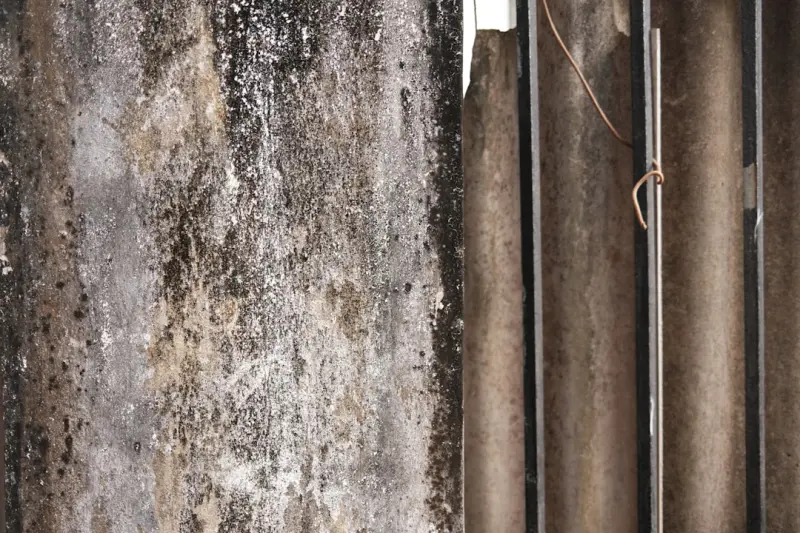
When I first walked into the cramped studio I’d been renting for six months, a faint, earthy perfume greeted me before I even saw the peeling paint. That subtle scent, paired with a dark, velvety patch behind the kitchen sink, told me the unwelcome guest had moved in: mold. As someone who’s spent more weekends elbow‑deep in drywall than most people admit, I instantly shifted from “wow, what a cozy space” to “how do I get this out without losing my deposit.” The experience reminded me that mold doesn’t discriminate—it slips into any damp nook, whether it’s a polished condo bathroom or a budget‑friendly attic. My mission turned into a personal case study, and I’m sharing the exact steps I took, the cheap tools I used, and the legal tricks that saved my wallet. If you’re a renter or a homeowner who’s ever felt powerless against a spreading stain, keep reading; the roadmap below will turn that invisible threat into a manageable project you can tackle today.
Seeing the Invisible: A Fast‑Track Inspection Checklist
Before you reach for any cleaning solution, you need a clear visual audit that doesn’t rely on guesswork. Start by turning off all lights and using a flashlight to illuminate corners, especially around windows, under sinks, and behind appliances; mold loves the shadows. Next, feel for a persistent musty odor—if the scent lingers longer than a few seconds, it’s a red flag that colonies may be hidden behind drywall or insulation. Finally, grab a simple hygrometer (you can find one for under $15) and record humidity levels; readings above 60 % are a green light for mold growth. By systematically scanning each room with these three steps, you can map out problem zones before they become a health hazard. Document everything with photos and timestamps; this evidence becomes your strongest ally when you later discuss remediation with a landlord or property manager.
Budget‑Friendly Detection Tools You Can Trust
Professional mold testing labs are pricey, but there’s a surprisingly effective DIY alternative that fits in the palm of your hand. Mold test kits, available at most hardware stores, use petri dishes to capture spores over 48 hours, giving you a clear visual cue of contamination levels without breaking the bank. Pair this with a digital moisture meter—another inexpensive gadget—to pinpoint the exact spots where water is lingering behind walls or flooring. For those who love a little tech flair, a seasonal weather‑proofing guide can help you understand how external climate shifts affect indoor humidity, allowing you to pre‑empt mold before it settles in. The combination of a test kit, moisture meter, and a dash of seasonal insight equips you with data that’s often more reliable than a guess and dramatically reduces the need for costly professional assessments.
Immediate Containment: Stopping the Spread in Hours
Once you’ve confirmed mold’s presence, the next priority is to prevent spores from traveling through your living space. Begin by sealing off the affected area with heavy‑duty plastic sheeting, securing the edges with painter’s tape to create a temporary quarantine zone. Open windows on opposite sides of the room to generate cross‑ventilation; a simple box fan placed in a window, blowing outward, will help draw contaminated air outside. While you’re at it, turn on any exhaust fans in bathrooms or kitchens—these built‑in systems are designed to pull moisture out, and they become invaluable allies in a rapid containment effort. Remember, the goal isn’t a deep clean just yet; it’s to create a barrier that stops spores from hitching a ride to the couch, bedroom, or hallway while you prepare for the removal phase.
Safe Removal Using Household Essentials
For small, non‑porous surfaces—think tile, glass, or sealed countertops—a mixture of distilled white vinegar and water (equal parts) can be sprayed directly onto the mold, left to sit for ten minutes, then scrubbed with a non‑abrasive brush. Baking soda adds a gentle abrasive quality; sprinkle it on the damp area after vinegar treatment, scrub, and rinse with warm water. If the mold has infiltrated porous materials like drywall or insulation, it’s best to remove and replace those sections, as spores can embed deep within the fibers. However, before you start tearing down walls, consult your lease and local regulations; some jurisdictions require professional remediation for extensive infestations. When in doubt, a quick call to a certified mold removal service can provide a second opinion, ensuring you don’t inadvertently cause more damage.
Know Your Rights: How Renters Can Demand Action
One of the most empowering steps a renter can take is to understand the legal framework that protects you from unhealthy living conditions. Most local housing codes mandate that landlords address mold promptly once notified, especially when it poses a health risk. Compile your inspection photos, test kit results, and a written log of humidity readings, then send a certified letter to your landlord outlining the issue and requesting remediation within a reasonable timeframe—typically 7–14 days. Keep copies of all correspondence; this paper trail is crucial should the dispute escalate to a housing authority or small claims court. In many areas, you’re also entitled to a rent reduction or reimbursement for temporary relocation costs if the mold makes the unit uninhabitable. Knowing these rights transforms you from a passive tenant into an active advocate for a safe home.
Long‑Term Prevention: Ventilation, Moisture Control, and Smart Sensors
While quick fixes address the immediate danger, true peace of mind comes from preventing mold from returning. Investing in a high‑efficiency exhaust fan for bathrooms and kitchens can drastically lower humidity levels, especially during showers or cooking. If you’re on a tighter budget, a simple DIY Home Repairs approach—like sealing gaps around windows with weatherstripping or installing a cheap dehumidifier in basements—offers substantial protection. For tech‑savvy occupants, smart humidity sensors connect to your phone, sending alerts when levels creep above the safe threshold. Pair these alerts with automated fans or a timed dehumidifier, and you have a self‑regulating system that catches moisture before mold can take hold. Over time, these small upgrades not only safeguard your health but also preserve the structural integrity of your home, saving you money and headaches down the line.
From Frustration to Confidence: Turning Mold into a Manageable Project
Discovering mold in a rental can feel like an unwelcome surprise, but with the right knowledge and tools, it becomes a solvable challenge rather than a perpetual nightmare. By conducting a thorough visual and humidity inspection, using affordable detection kits, containing the spores swiftly, and employing safe removal methods, you reclaim control of your living environment. Moreover, understanding your legal rights empowers you to demand timely action from landlords, while long‑term prevention strategies—ventilation upgrades, moisture‑absorbing devices, and smart sensors—ensure that the problem stays in the past. Remember, mold may be resilient, but so are you, especially when you approach the issue methodically and armed with reliable resources. Take the first step today: check those hidden corners, document what you find, and start the journey toward a healthier, mold‑free home.

Kelly Reynolds is a dynamic freelance writer hailing from the picturesque landscapes of Alberta. A master of the written word, she juggles her passion for storytelling with the exhilarating chaos of being a mother to five spirited children. With an impressive portfolio that spans various genres, Kelly captivates readers through her engaging blog posts and thought-provoking articles.
Related Posts

Beyond the Spot: A Proactive Playbook for Mold Removal in Modern Workspaces
Mold isn’t just a cleaning issue; it’s a hidden threat to indoor health and building performance... Read More
The Real Cost of DIY Mold Removal: What You Need to Know
Explore the true costs and safety concerns of DIY mold removal, with expert insights on containment,... Read More
The Hidden Dangers of Mold in Your Home: A Comprehensive Guide
Mold growth is a serious threat to your home's health and integrity. Learn how to prevent and remove... Read More
Top Posts

Beyond Concrete: Rethinking Foundations for a Greener Tomorrow
A deep dive into sustainable foundation practices, from low‑carbon binders and thermal insulation to collaborative planning and data‑driven monitoring, show...Read More
The Mobile Repair Cart: A DIYer's Ultimate Portable Workshop
Learn step-by-step how to create a mobile repair cart that organizes tools, adapts to seasonal projects, and leverages waste materials for a greener, more effic...Read More

How AI is Transforming Foundation Repair for the Modern Builder
Foundation repair is moving from reactive fixes to proactive, data‑rich strategies. Learn how AI, continuous monitoring, smart waterproofing, and robotics are...Read More

The Sunroom Renaissance: Harnessing Light, Heat, and Flexibility for Modern Living
A modern sunroom does more than add square footage; it captures free solar energy, balances temperature year‑round, and offers a flexible space for work, well...Read More
0 Comments
Post Comment
You will need to Login or Register to comment on this post!