
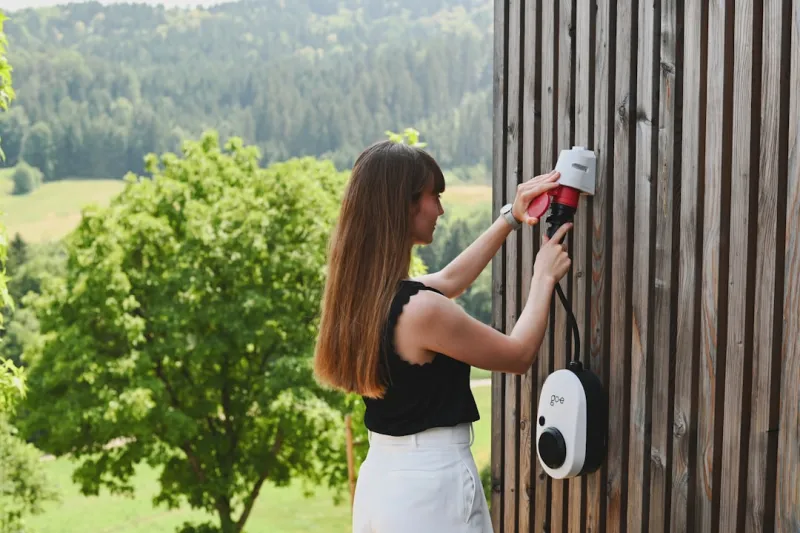
Weatherproofing Your Home for a Sustainable Future
As a homeowner, there's nothing quite like the feeling of being safe and secure in your own home, no matter what the weather outside may bring. But with the increasing unpredictability of our climate, it's more important than ever to take steps to weatherproof your home and ensure it remains a safe, sustainable haven for years to come. In this article, I'll be sharing my expertise on the importance of weatherproofing your home, and some simple, sustainable steps you can take to get started.
Weatherproofing your home is not just about slapping on a fresh coat of paint or sealing a few gaps in the walls. It's about taking a holistic approach to protecting your home from the elements, while also reducing your environmental impact. By making a few simple changes, you can significantly reduce your energy consumption, lower your utility bills, and help to create a more sustainable future. One of the most effective ways to start weatherproofing your home is by focusing on duct cleaning and ensuring your ducts are clean and clear. This simple step can make a big difference in your home's energy efficiency.
The Benefits of Weatherproofing
So, why is weatherproofing your home so important? For one, it can help to significantly reduce your energy consumption. By sealing gaps and cracks in your home's exterior, you can prevent heated or cooled air from escaping, which means you'll use less energy to keep your home comfortable. This not only saves you money on your utility bills, but it also helps to reduce your carbon footprint. Additionally, weatherproofing your home can help to protect it from damage caused by extreme weather events, such as high winds, heavy rainfall, and even earthquakes. By taking steps to weatherproof your home, you can help to ensure it remains safe and secure, no matter what the weather outside may bring.
Practical Steps to Weatherproof Your Home
So, where do you start when it comes to weatherproofing your home? Here are a few practical steps you can take:
- Conduct a thorough inspection of your home's exterior, looking for any gaps or cracks in the walls, windows, and doors.
- Seal any gaps or cracks you find, using a durable sealant that can withstand extreme weather conditions.
- Consider upgrading to energy-efficient windows and doors, which can help to reduce heat transfer and keep your home comfortable.
- Install weatherstripping around doors and windows to help seal gaps and prevent air from escaping.
By taking these simple steps, you can help to weatherproof your home and reduce your energy consumption.
The Role of Sustainable Materials in Weatherproofing
When it comes to weatherproofing your home, it's not just about sealing gaps and cracks – it's also about using sustainable materials that can help to reduce your environmental impact. For example, consider using recycled materials for your home's exterior, such as reclaimed wood or recycled plastic. These materials can help to reduce waste and minimize your environmental footprint. Additionally, consider using sustainable roofing materials, such as solar panels or green roofs, which can help to reduce your energy consumption and create a more sustainable future. By choosing sustainable materials for your home's exterior, you can help to reduce your environmental impact and create a more weather-resistant home.
The Importance of Insulation in Weatherproofing
Insulation is a critical component of weatherproofing your home, as it helps to regulate your home's temperature and reduce heat transfer. By installing high-quality insulation in your walls, attic, and floors, you can help to keep your home warm in the winter and cool in the summer. This not only makes your home more comfortable, but it also helps to reduce your energy consumption and lower your utility bills. When it comes to insulation, there are many sustainable options to choose from, such as recycled denim insulation or wool insulation. By choosing a sustainable insulation option, you can help to reduce your environmental impact and create a more weather-resistant home.
Learn more about the importance of insulation in sustainable home design and how it can help to weatherproof your home.
The Future of Weatherproofing
As we look to the future, it's clear that weatherproofing our homes will become increasingly important. With the climate continuing to change and extreme weather events on the rise, it's more important than ever to take steps to protect our homes and our communities. By embracing sustainable materials and practices, we can help to create a more resilient and weather-resistant built environment. Whether you're a seasoned homeowner or just starting out, there are many simple steps you can take to weatherproof your home and help create a more sustainable future. Consider exploring innovative solutions for weatherproofing your home and reducing your environmental impact.
Conclusion
Weatherproofing your home is a critical step in creating a sustainable future. By taking simple steps to seal gaps and cracks, using sustainable materials, and embracing energy-efficient practices, you can help to reduce your environmental impact and create a more weather-resistant home. Remember, weatherproofing your home is not just about protecting it from the elements – it's also about creating a safe, sustainable haven for you and your family. By following the tips and advice outlined in this article, you can help to weatherproof your home and contribute to a more sustainable future.
In conclusion, weatherproofing your home is an essential step in creating a sustainable and resilient built environment. By embracing sustainable materials and practices, you can help to reduce your environmental impact and create a more weather-resistant home. So why wait? Start weatherproofing your home today and help to create a more sustainable future for generations to come.

Tom Ferguson is a Canadian freelance writer with a passion for storytelling, current events, and thoughtful commentary. Drawing on years of writing experience, he shares engaging insights on a wide range of topics, bringing a uniquely Canadian perspective to his work.
Related Posts

Weather‑Proofing 2.0: Data‑Driven Strategies for a Resilient Home
A modern guide to proactive weather‑proofing, blending IoT sensors, intelligent sealing, and energ... Read More

Weathering the Storm: A Comprehensive Guide to Home Weather Proofing
Weather proofing your home is crucial for protecting your investment, preventing costly repairs, and... Read More

Weathering the Storm: A Comprehensive Guide to Home Weather Proofing
Discover the importance of home weather proofing and learn various methods and techniques to make yo... Read More
Top Posts
The Secret Language of Paint: How Color, Finish, and Prep Transform Your Home
Explore the hidden power of paint—learn to choose colors, finishes, and prep methods that instantly elevate your home’s style and comfort....Read More

Beyond Square Feet: Crafting Home Additions That Grow With You
A seasoned contractor shares practical insights on creating flexible, resilient home additions that boost livability and resale value while embracing wellness a...Read More
The Role of Roofing in Sustainable Home Restoration
Sustainable roofing plays a critical role in home restoration, energy efficiency, and environmental responsibility. Learn how to prioritize eco-friendly roofing...Read More

Proactive Façade Maintenance: Leveraging IoT for Smarter Property Care
A sensor‑driven, data‑rich approach to façade upkeep can slash emergency repair costs, boost tenant satisfaction, and extend the life of building envelopes...Read More
0 Comments
Post Comment
You will need to Login or Register to comment on this post!