
Why Mold Isn’t Just a Stain – It’s a Silent Saboteur
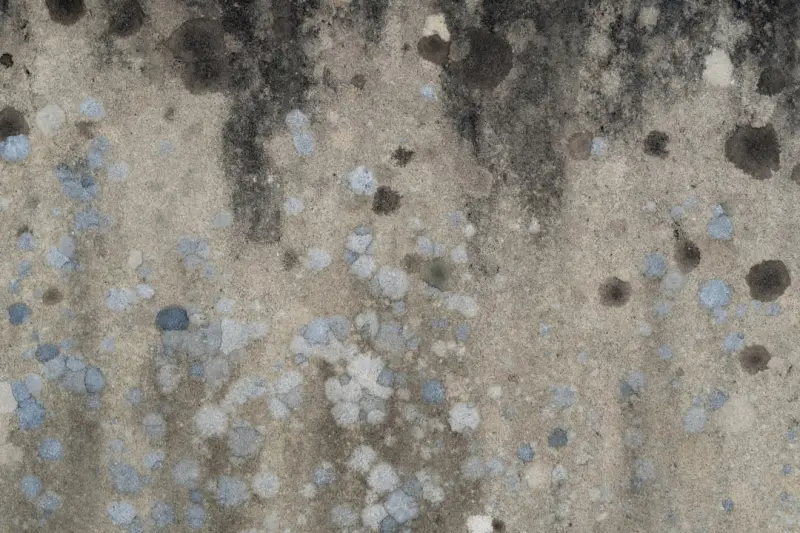
When I first noticed a faint, earthy smell drifting from my basement, I thought it was just the lingering scent of last‑season’s rain. A quick glance revealed a dark, velvety patch on the concrete wall – mold, plain and unapologetic. That moment sparked a months‑long investigation that taught me mold removal is far more than scrubbing a surface; it’s a disciplined blend of science, timing, and home‑wide strategy. In this post I’ll walk you through the hidden mechanisms that let mold thrive, the tools I rely on, and a step‑by‑step playbook that any homeowner can adapt without hiring a full‑service remediation crew.
The Biology Behind the Black Spots
Mold is a fungus that reproduces via spores, which are essentially microscopic seeds that float on air currents. When they land on a moist substrate – be it drywall, wood, or even a seemingly inert concrete floor – they germinate and produce a network of hyphae. These hyphae extract nutrients from the material, releasing enzymes that break down organic matter. The visible “growth” we see is just the tip of the iceberg; the real damage is happening inside the walls, insulation, and HVAC ducts.
Two conditions are non‑negotiable for mold: humidity above 60% and a steady food source. Anything that traps moisture – leaky roofs, condensation on cold pipes, or even poor ventilation – becomes a breeding ground. Understanding this biological baseline is crucial because it tells us where to intervene before the spores even get a foothold.
Mapping Mold Hotspots in Your Home
Before you purchase any cleaning solution, walk through your house with a “mold radar.” Look for the classic trio:
- Water stains or discoloration on walls, ceilings, or floors.
- Persistent musty odor that intensifies after a rainstorm.
- Visible fuzz or patches, especially in low‑traffic corners.
In my own renovation project, I discovered that the laundry room’s back wall was a hidden hotspot because the vent pipe was undersized, causing condensation to pool behind the drywall. The lesson? Every plumbing or HVAC component is a potential mold conduit.
Choosing the Right Arsenal: From Household Heroes to Pro‑Grade Solutions
Many homeowners reach for bleach, but bleach only kills surface mold and can actually feed certain species by breaking down organic material. Instead, I favor a three‑tiered approach:
- Physical removal – a soft brush or a low‑pressure vacuum with a HEPA filter to capture spores.
- Chemical treatment – a solution of hydrogen peroxide mixed with a few drops of dish soap (or a commercial fungicide specifically labeled for indoor use).
- Environmental control – the long‑term fix that keeps mold from returning (see the next section).
For stubborn infestations, I’ve turned to “encapsulation” products that seal the treated surface, preventing future spore colonization. These are especially effective on porous materials like wood or stucco that can’t be completely dried out.
Prevention Starts With Airflow: The Role of Duct Cleaning
One of the most underestimated ways to curb mold growth is ensuring your HVAC system isn’t acting as a spore highway. A clogged filter or dirty ductwork can trap moisture, creating a perfect nursery for mold that then spreads throughout your living spaces. I recently read how duct cleaning improves indoor air, and it reinforced my belief that a clean duct system is a frontline defense. Schedule a professional cleaning annually, and replace filters every three months to maintain a dry, contaminant‑free airflow.
Seal the Gaps, Block the Moisture
Even if you’ve eradicated every visible colony, hidden moisture can still seep in through cracks, window frames, and poorly insulated attics. My next step after each mold removal session is to apply DIY insulation hacks to block moisture. Simple silicone caulk around window sills, expanding foam in wall cavities, and weatherstripping on exterior doors cut down the humidity that fuels mold. Think of it as building a moisture‑proof envelope around your home.
Smart Monitoring Without the “Smart” Gimmick
While I’m not a fan of overly technical “smart” devices that promise a dashboard of humidity graphs, a basic hygrometer placed in problem areas can be a game changer. Look for a model that reads between 30% and 50% relative humidity; anything higher signals you need to dehumidify. Pair this with a small, energy‑efficient dehumidifier in basements or bathrooms, and you’ll see humidity levels drop dramatically within days.
Natural Allies: Beneficial Bacteria and Bio‑Based Products
In the last few years, the industry has introduced bio‑based products that use competitive bacteria to out‑compete mold for resources. These “good bugs” colonize the same surfaces and secrete enzymes that inhibit mold spore germination. I experimented with a commercial probiotic spray on a bathroom ceiling after a leak, and after a month of monitoring, there was no regrowth – a clear win for those who prefer a chemical‑light approach.
When to Call in the Professionals
While many mold problems are manageable with DIY methods, there are red flags that indicate you need a certified remediation specialist:
- Growth larger than a 10‑square‑foot area.
- Presence of “black mold” (Stachybotrys chartarum) which can produce mycotoxins.
- Water damage from flooding or major leaks.
- Any health symptoms (persistent cough, headaches, allergic reactions) that correlate with mold exposure.
Professional crews have access to negative‑pressure containment, HEPA vacuums, and industrial‑grade antimicrobial agents. They also perform post‑remediation testing to certify that air quality meets safety standards.
Maintaining a Mold‑Free Home Year‑Round
After the initial purge, the goal shifts to vigilance. Here’s my maintenance checklist:
- Monthly visual inspection of basements, attics, and bathrooms.
- Quarterly filter changes for HVAC systems.
- Seasonal dehumidifier runs during humid months (especially in coastal regions).
- Annual professional duct cleaning to keep the hidden pathways clear.
- Annual seal‑and‑insulate review to address any new gaps caused by settling or renovations.
By turning these tasks into routine, you transform mold removal from a one‑off nightmare into a manageable, proactive habit.
Case Study: From Hidden Mold to Healthy Home
Last winter, a client of mine – a boutique bakery operating out of a converted loft – reported a sudden rise in employee allergies. A quick walkthrough revealed a hidden mold patch behind a false ceiling that had been sealed during the renovation. The solution was three‑fold:
- Careful removal of the false ceiling and physical cleaning of the affected joists.
- Application of a bio‑based antimicrobial sealant.
- Installation of a discreet hygrometer and a low‑capacity dehumidifier to keep humidity below 45%.
Within two weeks, the staff’s symptoms subsided, and the bakery’s indoor air quality improved dramatically – a win that reinforced my belief that mold control is as much about prevention as it is about remediation.
Future Trends: From Reactive to Predictive Mold Management
Looking ahead, I’m excited about the emerging field of predictive analytics for building health. Sensors embedded in walls that detect moisture spikes in real time could alert homeowners before mold ever becomes visible. While still in early stages, the concept mirrors the data‑driven approaches we see in other asset‑protection domains. For now, the most reliable “predictive” tool is diligent monitoring and immediate action at the first sign of excess moisture.
Final Thoughts – Mold Removal as an Empowering DIY Project
Removing mold isn’t just about salvaging a wall; it’s about protecting the health of occupants, preserving property value, and gaining confidence in the resilience of your home. By understanding the biology, using the right tools, sealing moisture pathways, and keeping the HVAC system clean, you can turn a potentially hazardous situation into an empowering DIY triumph. And remember, when the battle seems too big, there’s no shame in calling the experts – after all, a healthy home is the best foundation for any future project.

When it comes to the world of blogging and writing, Rose DesRochers is a name that stands out. Her passion for creating quality content and connecting with her audience has made her a trusted voice in the industry. Aside from her skills as a writer and blogger, Rose is also known for her compassionate nature.
Related Posts
Mold Removal Mastery: Sustainable Strategies from a Veteran Contractor
Veteran contractor Craig Brett shares eco‑friendly mold removal methods, prevention strategies, an... Read More
Mold Removal Mastery: Turning a Hidden Threat into a Home Wellness Habit
Learn how to turn mold removal into a simple, wellness‑focused routine using smart tools, smart ha... Read More
The Hidden Dangers of Mold in Your Home: A Comprehensive Guide
Mold growth is a serious threat to your home's health and integrity. Learn how to prevent and remove... Read More
Top Posts
The Future of Countertops: Sustainable Materials and Designs
Explore the world of sustainable countertops and learn how to create a greener home with eco-friendly materials and design principles....Read More

When Your Roof Becomes a Storytelling Canvas: Design, Sustainability & Personal Flair
Explore the art of roofing beyond protection—learn to blend color, eco‑friendly materials, and tech tools into a stylish, sustainable roof that tells your h...Read More

Beyond the Sheet: Unlocking the Full Potential of Modern Drywall
Explore how today’s drywall goes beyond simple partitioning, offering acoustic mastery, fire resistance, sustainable options, and integrated sensors that turn...Read More

Modular Kitchen Islands: The Secret to a Flexible, Future‑Ready Home
A modular kitchen island transforms a static workspace into a versatile hub that can adapt to remote work, entertaining, and evolving tech, offering scalability...Read More
0 Comments
Post Comment
You will need to Login or Register to comment on this post!