
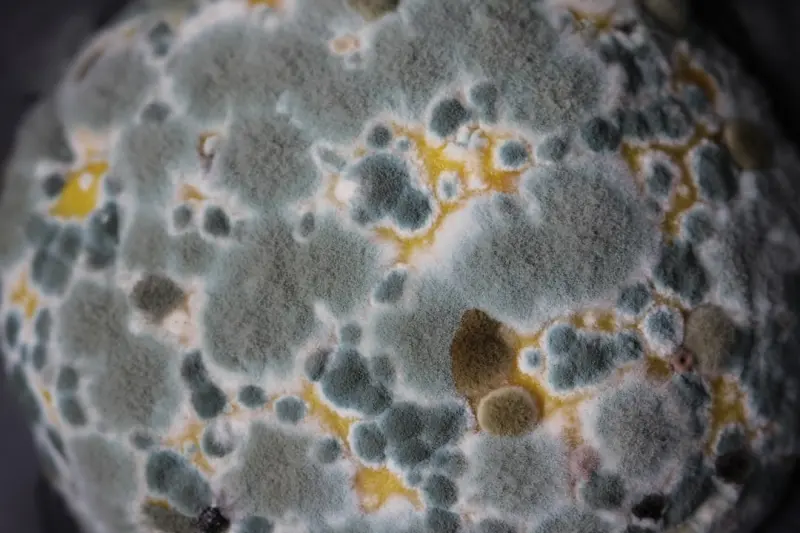
Rethinking Mold Removal: From Reactive Cleanup to Predictive Building Health
When I first stepped onto a construction site that was battling a stubborn mold outbreak, I realized we were still treating mold like a surprise guest—only showing up after the party’s already over. As someone who has spent years weaving together IoT, analytics, and building science, I’ve come to see mold not just as an aesthetic nuisance, but as a symptom of a deeper, data‑driven imbalance. This post dives into how we can shift from the traditional “scrub‑and‑pray” mindset to a proactive, predictive strategy that turns mold removal into a cornerstone of intelligent facility stewardship.
Understanding Mold as a Systemic Signal
Most facility teams think of mold as a surface problem: visible spots on drywall, a musty odor in a hallway, or a sudden health complaint from occupants. While those are the obvious signs, mold actually tells us a story about moisture dynamics, ventilation performance, and even the building’s digital twin fidelity. In my experience, the moment you start asking “why is mold here?” you open the door to a cascade of insights that can prevent future outbreaks.
The Three Pillars of a Predictive Mold Strategy
To move beyond reactive cleanup, I focus on three interconnected pillars:
- Continuous Moisture Monitoring: Deploy low‑cost hygrometers and moisture sensors at vulnerable locations (basements, interior walls, roof decks). The data feeds into a central dashboard, alerting teams before water even reaches the point of saturation.
- Dynamic Airflow Management: Leverage smart HVAC controls to balance humidity levels and improve air exchange rates where sensors detect a rise in moisture.
- Data‑Powered Remediation Planning: Use historical sensor data, building usage patterns, and predictive analytics to schedule targeted interventions—such as localized dehumidification—before mold colonies can establish.
Integrating Moisture Sensing with Existing Building Systems
Most modern facilities already have a building management system (BMS) that tracks temperature, CO₂, and sometimes occupancy. Adding moisture data is a logical next step. The Connected Leak Detection framework I helped develop for a client provides a template: sensors push real‑time alerts to a cloud platform, which then triggers automated workflows. For mold, the workflow might look like this:
- Sensor detects a humidity level > 60% for more than 48 hours.
- System cross‑references recent weather data and indoor occupancy schedules.
- If the anomaly persists, a maintenance ticket is auto‑generated, assigning a technician to inspect the area and deploy a portable dehumidifier.
- The ticket closes only after moisture readings drop below 50% for 24 hours, ensuring the environment is truly inhospitable to mold.
Smart Materials: When Waterproofing Becomes an Active Defense
Traditional waterproofing is a passive barrier—think tar, membranes, or sealants—applied once and then forgotten. In the era of digital buildings, waterproofing can be an active, data‑enabled asset. The principles laid out in Waterproofing Reimagined show how embedded sensors within waterproofing layers can report moisture ingress before it becomes visible.
Imagine a basement wall where the waterproofing membrane contains nano‑sensors that log moisture content every hour. When the sensor detects a spike, the BMS can automatically increase the ventilation rate, activate a sump pump, or even adjust interior humidity setpoints. This transforms a static shield into a living system that collaborates with the building’s climate controls.
Ventilation Meets Biophilic Design: A Breath of Fresh Air
When we think about mold, we often focus on eliminating moisture, but we also need to think about air movement. The When Buildings Breathe article highlighted how biophilic strategies—like operable windows and interior green walls—can improve indoor air quality. By pairing these passive design elements with active humidity controls, we create a dual defense.
For example, a conference room equipped with a green wall can benefit from the wall’s natural ability to buffer humidity. Coupled with a smart HVAC system that modulates fresh‑air intake based on real‑time humidity, the space stays comfortable and mold‑free without excessive energy waste.
Case Study: Turning a Hospital Wing from Mold Hotspot to Data‑Driven Safe Zone
One of the most rewarding projects I’ve led involved a 150,000‑square‑foot hospital wing that had recurring mold problems in its surgical suites. The stakes were high: any mold contamination could jeopardize sterile environments and patient safety.
We implemented the following steps:
- Sensor Deployment: 120 humidity and temperature sensors placed around ceiling grids, wall cavities, and HVAC returns.
- Predictive Modeling: Using machine learning, we correlated sensor data with external weather patterns and internal workflow schedules (e.g., increased OR usage during certain shifts).
- Automated Response: When the model forecasted a > 70% humidity event lasting over 12 hours, the system pre‑emptively ramped up localized dehumidifiers and adjusted airflow.
- Feedback Loop: Post‑intervention data confirmed a 90% reduction in moisture spikes, and subsequent mold inspections showed zero regrowth for 18 months.
The result? Not only did the wing achieve a cleaner environment, but the facility also saved an estimated $250,000 in remediation costs and avoided potential downtime.
Practical Steps for Facility Managers Starting Their Predictive Journey
If you’re intrigued but unsure where to begin, here’s a roadmap you can follow over the next six months:
- Audit Existing Sensors: Catalog what you already have—temperature, CO₂, occupancy. Identify gaps in humidity coverage.
- Pilot a Small Zone: Choose a high‑risk area (e.g., a basement or a south‑facing conference room) and install a few hygrometers.
- Integrate Data Streams: Use an open API or middleware to feed sensor data into your BMS or a cloud analytics platform.
- Define Thresholds: Set humidity alerts (e.g., > 60% for > 24 hrs) based on industry guidelines and local climate.
- Automate Workflows: Link alerts to maintenance tickets or to automated equipment control (dehumidifiers, fans).
- Review and Refine: After a month, analyze false positives/negatives and adjust thresholds or sensor placement.
- Scale Up: Roll out to additional zones, integrate with leak detection sensors, and consider smart waterproofing membranes for long‑term resilience.
Future Outlook: The Role of AI and Digital Twins
Looking ahead, the most sophisticated facilities will embed mold‑prevention logic directly into their digital twins. A digital twin—a virtual replica of the building—can simulate moisture migration under various scenarios (rainstorms, HVAC failures, occupant density spikes). By running these simulations, the system can recommend preventive actions weeks in advance.
Artificial intelligence will also enhance pattern recognition. While today’s models rely on simple threshold alerts, future AI could detect subtle precursors—like micro‑fluctuations in temperature that precede condensation—and trigger pre‑emptive actions before humidity even climbs.
Key Takeaways
- Mold is a symptom, not just a surface problem; it signals moisture, ventilation, and design issues.
- Continuous humidity monitoring, smart airflow, and data‑driven remediation create a proactive defense.
- Integrating moisture sensors with leak detection and intelligent waterproofing turns passive barriers into active allies.
- Biophilic design elements can complement technology by naturally moderating indoor humidity.
- Start small, automate alerts, and scale based on data insights to build a resilient, mold‑free environment.
By treating mold removal as a data‑centric, system‑level challenge, we not only protect health and assets but also unlock new efficiencies across the entire facility operation. The future of building maintenance isn’t about fighting mold after it appears; it’s about anticipating and neutralizing the conditions that let it thrive.

Lifan Chen is a freelancer based in Toronto specializing in marketing. With expertise in crafting effective marketing strategies and campaigns, Lifan helps businesses grow their brand presence and reach target audiences. As a Toronto-based freelancer, Lifan combines local market insights with creative marketing skills to deliver tailored solutions for clients.
Related Posts
The Hidden Cost of Ignoring Mold: A Data‑Driven Playbook for Facility Managers
Treat mold removal as a core operational metric with continuous moisture monitoring, data analytics,... Read More
The Hidden Dangers of Mold in Your Home: Sustainable Mold Removal Practices
Mold growth can have serious consequences for your health and home. Learn about sustainable mold rem... Read More
The Hidden Costs of DIY Mold Removal: Why Professionals Still Matter
A personal look at the pitfalls of DIY mold removal, the health risks, hidden structural damage, and... Read More
Top Posts

When Your Lawn Gets Smarter: How IoT Is Changing Grass Care
A deep dive into the emerging world of smart lawn care, covering sensors, automation, analytics, and practical steps to create a data‑driven, water‑wise, an...Read More

Crafting Timeless Masonry Features for Today’s Homes
Explore the enduring appeal of masonry, from design planning and landscape integration to low‑maintenance strategies that keep brick features beautiful and fu...Read More

The Silent Revolution: How Acoustic Windows & Doors Redefine Home Comfort
Acoustic windows and doors are reshaping modern living by dramatically reducing external noise while maintaining design flexibility and energy efficiency, offer...Read More

Light‑Modulating Window Treatments: Design, Health, and Brand Impact
Explore a fresh approach to window treatments that goes beyond glare control, integrating adaptive systems, natural materials, and acoustic benefits to enhance ...Read More
0 Comments
Post Comment
You will need to Login or Register to comment on this post!