
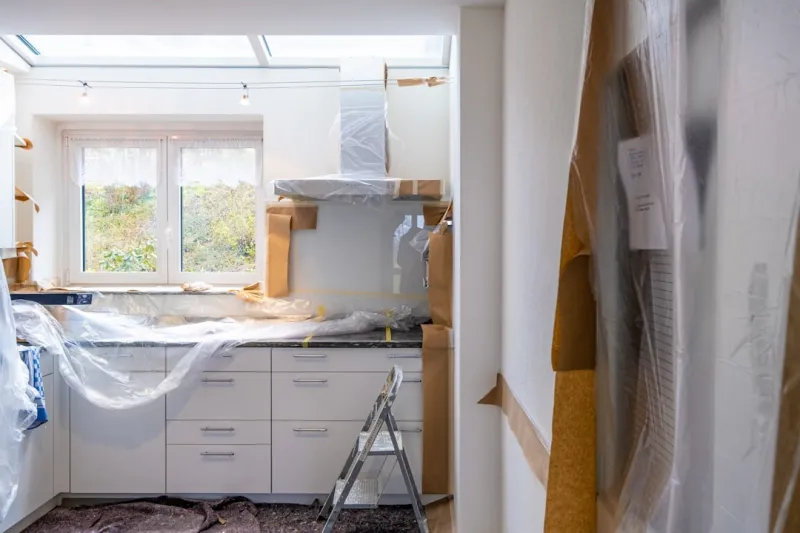
Understanding the Importance of Energy Inspections in Home Renovations
As a seasoned expert in the field of home renovations and energy efficiency, I've seen firsthand the transformative power of a well-executed energy inspection. For homeowners embarking on a renovation journey, understanding the intricacies of energy inspections is not just beneficial – it's essential. In this article, I'll share my insights on why energy inspections are a critical component of any home renovation project, and how they can help you create a more sustainable, cost-effective, and comfortable living space.
An energy inspection is a thorough assessment of your home's energy usage, aimed at identifying areas where energy is being wasted and providing recommendations for improvement. This process is crucial, especially when you're planning significant renovations, as it can help you make informed decisions about where to invest your resources for the greatest impact. From optimizing your floor heating system to sealing air leaks and upgrading insulation, an energy inspection can uncover a multitude of opportunities to enhance your home's energy efficiency.
The Benefits of Energy Inspections
One of the primary benefits of an energy inspection is its ability to help homeowners save money on their energy bills. By identifying and addressing energy-wasting areas, you can significantly reduce your energy consumption and lower your monthly bills. Moreover, an energy inspection can also help you prioritize your renovation projects, ensuring that you're focusing on the areas that will have the greatest impact on your energy efficiency and comfort.
In addition to the financial benefits, energy inspections also play a critical role in maintaining a healthy and comfortable indoor environment. For instance, during an inspection, professionals can identify signs of moisture intrusion, mold growth, or inadequate ventilation, all of which can have serious implications for indoor air quality and occupant health. By addressing these issues early on, you can prevent costly repairs down the line and create a healthier living environment for you and your family.
What to Expect During an Energy Inspection
So, what exactly happens during an energy inspection? The process typically begins with a comprehensive review of your home's energy usage patterns, including your past energy bills and any existing energy-related issues. The inspector will then conduct a thorough examination of your home's exterior and interior, looking for signs of energy waste, such as air leaks, inadequate insulation, and inefficient windows.
The inspector may also use specialized equipment, such as blower doors and infrared cameras, to detect air leaks and visualize heat loss. These tools can help identify areas that might not be immediately apparent, such as gaps around windows and doors, or poorly insulated areas.
Prioritizing Energy Efficiency in Your Renovation Projects
When it comes to prioritizing energy efficiency in your renovation projects, it's essential to take a holistic approach. This means considering not just individual components, such as insulation and windows, but also how they interact with other systems in your home. For example, upgrading your windows can help reduce heat loss, but if your walls are not properly insulated, you may still experience significant energy losses.
By taking a comprehensive approach to energy efficiency, you can create a more sustainable and cost-effective living space that meets your needs and budget. And, as you plan your renovation projects, don't forget to consider the importance of bathroom renovations, which can also play a significant role in enhancing your home's energy efficiency and overall comfort.
Common Energy-Wasting Areas to Look Out For
There are several common energy-wasting areas that homeowners should be aware of, including:
- Air leaks around windows, doors, and ducts
- Inadequate insulation in walls, floors, and ceilings
- Inefficient windows and doors
- Poorly maintained or outdated HVAC systems
- Inadequate ventilation and moisture control
By being aware of these potential energy-wasting areas, you can take steps to address them and improve your home's energy efficiency.
The Role of Technology in Energy Efficiency
Technology plays a critical role in energy efficiency, and there are many innovative solutions available to help homeowners reduce their energy consumption. From smart thermostats and energy-efficient appliances to smart home automation systems, there are many ways to leverage technology to create a more sustainable and cost-effective living space.
Conclusion
In conclusion, energy inspections are a critical component of any home renovation project, providing valuable insights into your home's energy usage patterns and identifying areas for improvement. By prioritizing energy efficiency and taking a comprehensive approach to your renovation projects, you can create a more sustainable, cost-effective, and comfortable living space that meets your needs and budget. Remember to stay informed, stay proactive, and always keep energy efficiency top of mind as you embark on your renovation journey.
Final Tips and Recommendations
As you plan your energy inspection and renovation projects, here are a few final tips and recommendations to keep in mind:
* Work with a qualified and experienced energy inspector to ensure that you're getting accurate and actionable recommendations. * Prioritize energy efficiency and sustainability in your renovation projects, and consider the long-term benefits and cost savings. * Don't be afraid to think outside the box and explore innovative solutions and technologies to enhance your home's energy efficiency.
By following these tips and staying committed to energy efficiency, you can create a more sustainable and cost-effective living space that meets your needs and budget.

Kelly Reynolds is a dynamic freelance writer hailing from the picturesque landscapes of Alberta. A master of the written word, she juggles her passion for storytelling with the exhilarating chaos of being a mother to five spirited children. With an impressive portfolio that spans various genres, Kelly captivates readers through her engaging blog posts and thought-provoking articles.
Related Posts
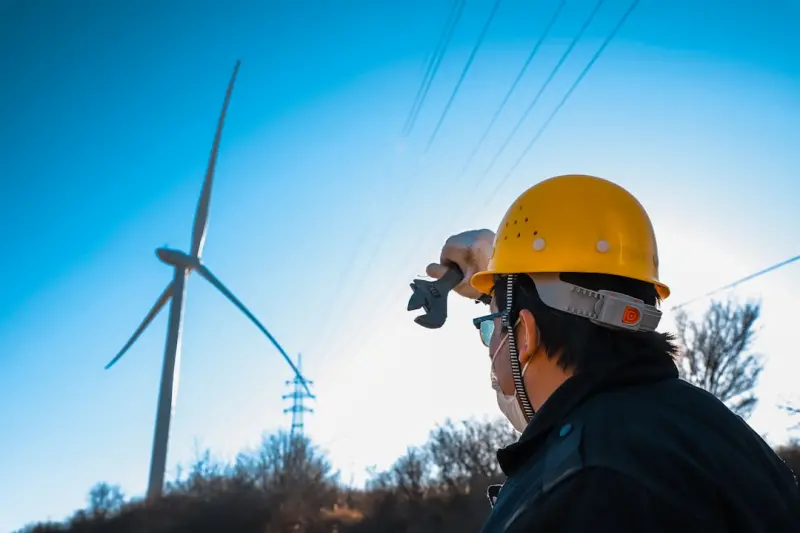
Seeing the Unseen: How Continuous Energy Inspection Turns Hidden Waste Into Strategic Advantage
Energy inspection is evolving from annual audits to a continuous, technology‑driven process that u... Read More
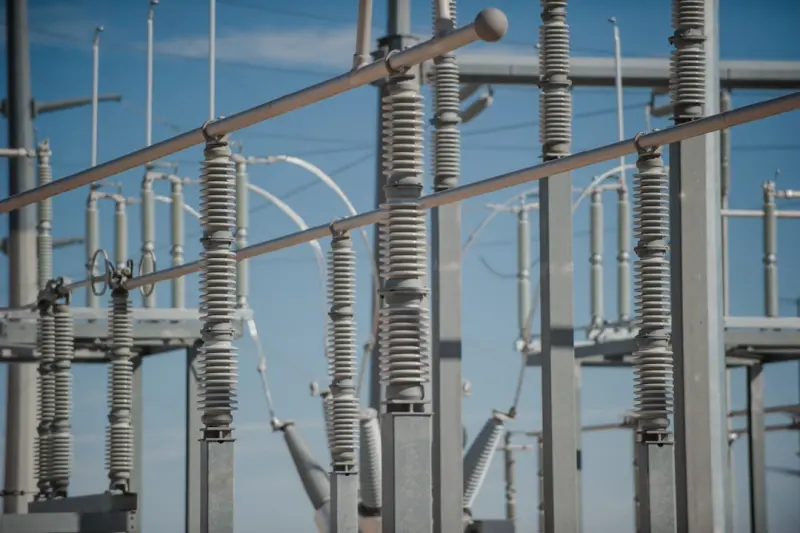
Digital Twin Energy Inspection: A Proactive Blueprint for Building Performance
The post explains how digital twins revolutionize energy inspection by providing real‑time, predic... Read More
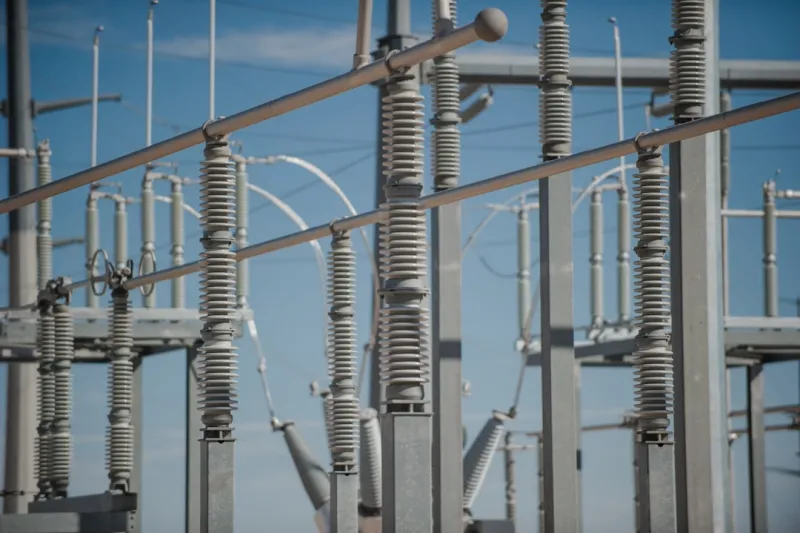
Unlocking the True Value of Energy Inspections
A deep dive into why energy inspections matter, the tech tools used, and real‑world fixes that tur... Read More
Top Posts
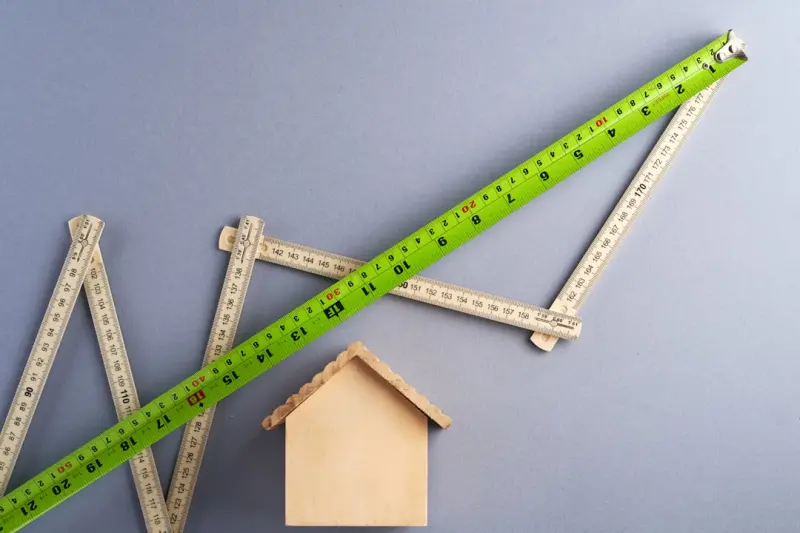
Adaptive Climate‑Ready Home Upgrades: Strategies for a Resilient Future
A deep dive into dynamic, performance‑driven home upgrades that let your house adapt to shifting climate conditions, blending smart materials, IoT monitoring,...Read More
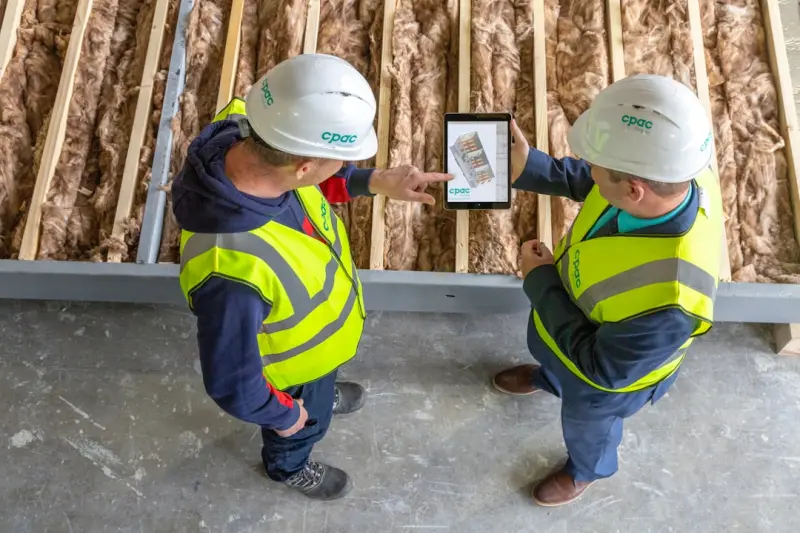
The Intelligent Insulation Playbook: Turning Walls into Data‑Driven Assets
Insulation is evolving from a static barrier to an intelligent, data‑rich skin that boosts energy efficiency, health, and sustainability. Learn the steps to m...Read More
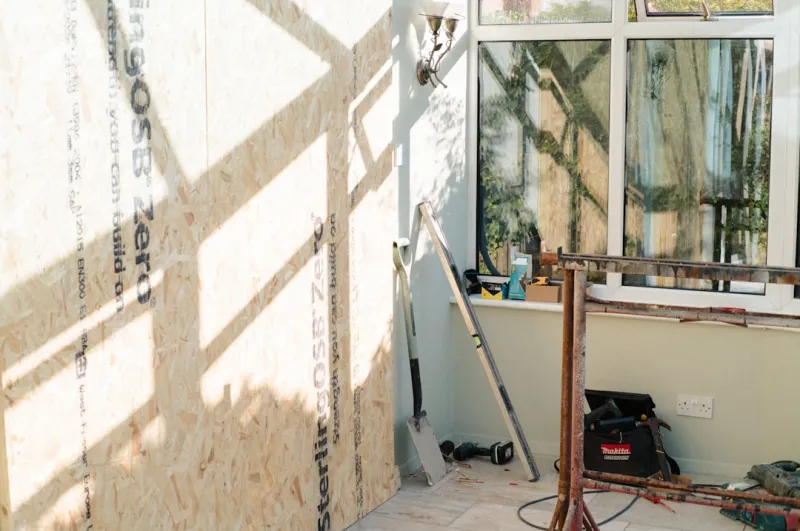
Mastering Home Weather Proofing: A Sustainable, Smart Approach
A practical guide to weather proofing your home, blending smart tech, sustainable materials, and easy maintenance for lasting comfort and energy savings....Read More
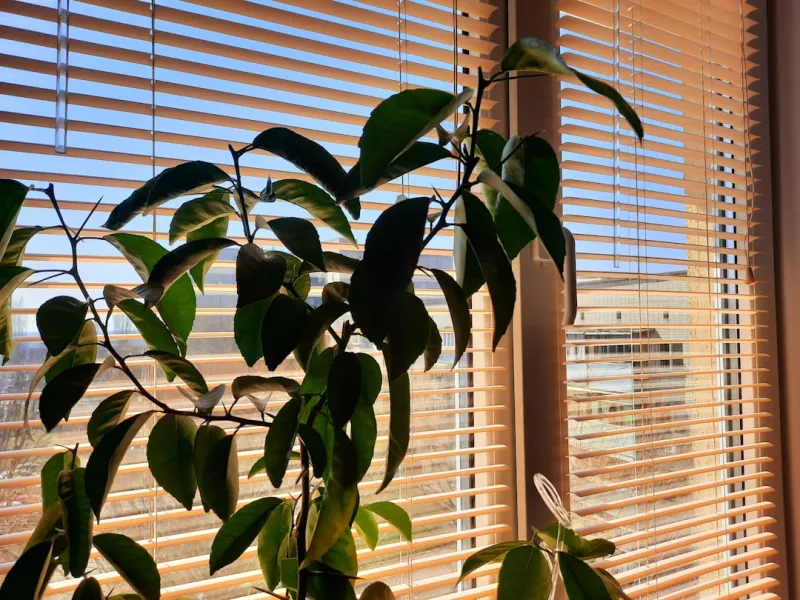
Embracing Sustainable Window Treatments for a Greener Future
Learn how sustainable window treatments can reduce energy consumption, improve indoor air quality, and create a healthier living space. Explore the latest trend...Read More
0 Comments
Post Comment
You will need to Login or Register to comment on this post!