
Rethinking Home Security in a Sustainable World
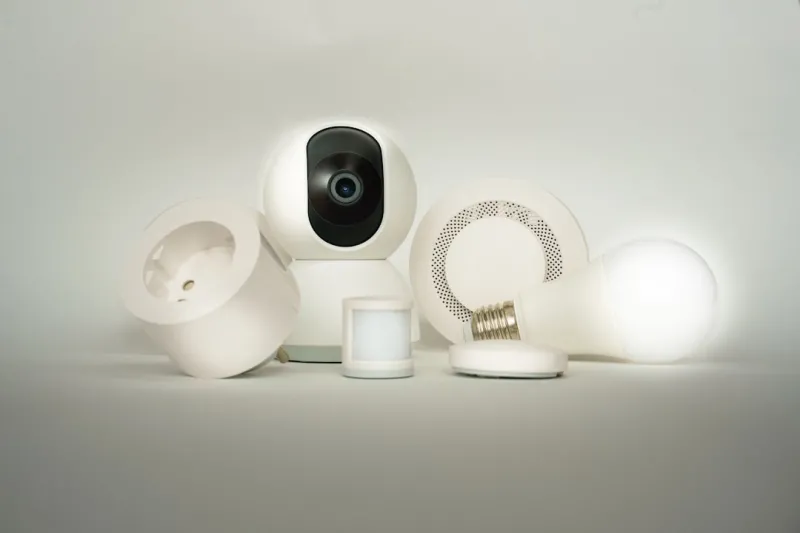
When I first installed a traditional wired alarm system in my suburban starter home, I imagined the clunky panels and incessant beeping as the ultimate guardians of my peace of mind, yet the reality quickly unfolded into a tangled web of hidden costs, frequent false alarms, and a glaring disconnect from the eco‑friendly values I was cultivating through other renovation projects; this paradox sparked a personal mission to discover how modern home alarm solutions could not only protect my property but also align with the sustainable lifestyle I was striving to perfect, and so I embarked on a deep dive into the latest technology, industry standards, and consumer reports, seeking a system that would integrate seamlessly with my existing smart‑home ecosystem while minimizing energy draw and material waste. Integrating security with sustainability became my guiding principle, prompting me to scrutinize everything from the power source of the control panel to the recyclable content of the motion sensors, because a truly responsible homeowner today must weigh the environmental footprint of every purchase, even those designed to keep intruders at bay. The journey revealed that the market is bursting with options that blend robust protection with green credentials, but the key lies in discerning which features genuinely reduce consumption and which merely masquerade as eco‑friendly.
The Power of Energy‑Efficient Alarm Components
One of the most eye‑opening revelations was how a simple upgrade to a low‑voltage, battery‑optimized panel could slash the standby power draw by as much as 70 percent, a statistic that resonated deeply after I had recently explored the energy inspections that revealed hidden leaks in my HVAC system, underscoring that every watt saved translates into lower utility bills and a smaller carbon footprint; modern alarm hubs now boast energy‑star rated processors and intelligently cycle power based on real‑time activity, meaning they remain dormant during quiet periods and spring to life only when a sensor is triggered, thereby conserving resources without compromising responsiveness. In addition, many manufacturers now offer solar‑compatible battery packs that can be mounted discreetly on a south‑facing roof or a sunny patio awning, allowing the alarm to draw its own power from renewable sources, an approach that dovetails perfectly with the broader weather‑proofing strategies I’ve adopted to seal drafts and improve insulation, creating a synergistic effect where a tighter envelope reduces the load on both heating and security systems. By choosing components certified for low standby draw and renewable charging, homeowners can transform a traditionally energy‑intensive safeguard into a quiet, green sentinel that works hand‑in‑hand with other sustainability upgrades.
Wireless Design: Freedom Meets Responsibility
Switching to a fully wireless alarm architecture liberated me from the unsightly conduit runs and invasive wall cuts that once made any home improvement feel like a battlefield, yet the freedom of wireless communication comes with its own set of sustainability considerations that demand careful selection of radio frequencies, encryption protocols, and, most critically, battery chemistry; many contemporary devices now employ lithium‑iron‑phosphate (LiFePO₄) cells that not only boast longer life cycles and a reduced risk of thermal runaway but also contain fewer hazardous materials than older nickel‑cadmium alternatives, making disposal far less problematic for the environment. The real breakthrough, however, lies in the emergence of mesh networking where each sensor acts as a repeater, extending range without the need for power‑hungry hubs, and this architecture inherently reduces the total number of high‑capacity batteries required, because the network self‑optimizes to keep each node in a low‑power sleep mode until a genuine disturbance is detected, effectively cutting overall consumption. Moreover, the wireless design dovetails with the growing trend of integrating alarm sensors into other smart devices—such as smart locks, doorbell cameras, and even thermostats—thereby consolidating hardware footprints and cutting down on the cumulative electronic waste that plagues many households attempting to retrofit old systems with new technology.
Smart Home Integration: The Double‑Edged Sword
When I linked my alarm system to my voice‑activated assistant, the convenience factor skyrocketed: a simple “Arm away mode” command could secure every entry point, motion detector, and glass‑break sensor while simultaneously lowering the thermostat and dimming the lights, creating a harmonious routine that felt both futuristic and intentionally low‑energy; the synergy between security and energy management is no longer a theoretical concept but a practical reality that can be harnessed to deliver measurable savings, especially when the system is programmed to adjust lighting and heating based on occupancy detected by the alarm’s motion sensors, thereby ensuring that power is never wasted on empty rooms. Yet this integration also introduces a new layer of complexity regarding data privacy and network security, as every additional connection point becomes a potential entryway for cyber‑intruders, demanding that homeowners stay vigilant about firmware updates, strong passwords, and two‑factor authentication to safeguard both their physical and digital realms. The lesson I’ve learned is that the smartest alarm systems are those that balance seamless automation with rigorous security protocols, offering an ecosystem that protects your home while also respecting the sanctity of your personal data.
DIY Installation vs. Professional Expertise
Embarking on a DIY installation seemed appealing at first, especially after I successfully completed a bathtub refinishing project that saved a tidy sum and gave me a surge of confidence, but the nuanced requirements of a reliable alarm network quickly revealed that a half‑day of research and a handful of YouTube tutorials could not substitute for the precision of a seasoned technician who understands signal attenuation, optimal sensor placement, and code compliance; a professional installer brings the advantage of a site‑specific assessment, ensuring that every motion detector covers blind spots, each door/window sensor aligns perfectly with the frame, and the central hub is positioned to minimize interference from Wi‑Fi routers and other electronic devices. While the DIY route can be cost‑effective for simple, single‑zone systems, the hidden expenses of misaligned sensors, false alarms, and the subsequent need for recalibration often erode any initial savings, and the peace of mind that comes from a warranty‑backed, expertly calibrated system is priceless, particularly when you consider the potential insurance discounts that many providers offer for professionally installed, certified alarm solutions. In my experience, a hybrid approach—installing the core hardware myself but commissioning a professional audit and fine‑tuning—struck the perfect balance between empowerment and expertise.
Maintenance, Testing, and the Green Cycle
Even the most advanced alarm system becomes ineffective if neglected, which is why I have instituted a quarterly maintenance ritual that mirrors the seasonal checks I perform on my HVAC filters and gutter guards, involving a systematic test of each sensor’s response, a battery health assessment, and a firmware update scan, all of which are essential steps to ensure that the system remains both reliable and energy‑efficient; replacing depleted batteries with high‑capacity, recyclable options not only restores peak performance but also aligns with the broader sustainability agenda I champion across my home, and many manufacturers now provide a “low‑battery” alert that can be routed directly to a mobile app, eliminating the guesswork and preventing the waste associated with premature disposal. The maintenance schedule also offers an opportunity to evaluate the system’s overall footprint, checking whether any sensors have become redundant due to changes in the home layout or whether newer, more efficient models have entered the market, allowing for strategic upgrades that keep the alarm lean and green. By treating the alarm as a living component of the household ecosystem—one that requires regular care, thoughtful upgrades, and responsible end‑of‑life recycling—homeowners can extend its lifespan, reduce electronic waste, and maintain a vigilant shield against intruders without compromising their environmental commitments.
Emerging Trends: AI, Solar Power, and Integrated Sustainability
Looking ahead, the next wave of home alarm innovation is being driven by artificial intelligence algorithms that can differentiate between a pet’s harmless movement and a genuine break‑in attempt, dramatically reducing false alarms and the associated energy drain from unnecessary alerts, while simultaneously learning the household’s routine to optimize sensor activation schedules for maximum efficiency; these AI‑enhanced systems often pair with solar‑powered panels that sit on a discreet roof mount or a sun‑lit balcony, providing a self‑sustaining energy source that can keep the alarm operational even during power outages, a feature that not only boosts resilience but also eliminates the carbon emissions tied to backup generators. Another exciting development is the integration of environmental sensors—such as carbon monoxide detectors, flood sensors, and indoor air quality monitors—into the security hub, creating a unified platform that monitors both safety and sustainability metrics, and when combined with the data from my insulation upgrades, it offers actionable insights that can trigger automatic adjustments to heating or ventilation, thereby tightening the loop between security and energy conservation. As these technologies converge, homeowners will soon have the ability to run a truly holistic home management system that safeguards against intruders, reduces the ecological impact, and continuously adapts to the evolving needs of the household.
Final Thoughts: Building a Secure, Sustainable Future
My journey from a clunky, wired alarm to a sleek, solar‑charged, AI‑driven security network has taught me that protecting your home and protecting the planet are not mutually exclusive goals but complementary pillars of modern homeownership, and by choosing components that prioritize low power consumption, renewable charging, and responsible materials, you can enjoy peace of mind while actively contributing to a greener future; the key takeaway is to approach alarm selection with the same rigor you apply to any other sustainable renovation—evaluate the lifecycle impact, seek professional guidance when needed, and commit to regular maintenance to keep the system operating at peak efficiency. As the line between smart home and eco‑friendly home continues to blur, the smartest investment you can make is one that safeguards both your loved ones and the environment, creating a legacy of safety and stewardship that will benefit generations to come.

Tom Ferguson is a Canadian freelance writer with a passion for storytelling, current events, and thoughtful commentary. Drawing on years of writing experience, he shares engaging insights on a wide range of topics, bringing a uniquely Canadian perspective to his work.
Related Posts

Home Alarm Systems Reimagined: From Guard to Smart Home Concierge
A deep dive into the future of home alarm systems, highlighting AI‑driven alerts, privacy safeguar... Read More

When Your Alarm Thinks Like You: The Next Evolution of Home Security
Home alarm systems are evolving from reactive devices into proactive, AI‑powered platforms that le... Read More

Rethinking Home Security: A Human‑Centric, Smart Alarm Blueprint
A fresh look at home alarms: integrating smart tech, privacy safeguards, and family‑focused routin... Read More
Top Posts

Shade as a Strategic Lever: Unleashing the Power of Modern Awnings
A modern awning is more than shade—it’s a branding canvas, an energy saver, and a data source. Learn how to turn this often‑overlooked element into a stra...Read More

Reimagining Commercial Spaces: From Blueprint to Business Boost
Explore a fresh perspective on commercial renovations that prioritizes business goals, employee well‑being, and measurable ROI, turning any workspace into a g...Read More
The Hidden Psychology Behind Your Kitchen Countertop Choices
Explore how the tactile feel, hue, and sustainability of countertops shape daily cooking experiences, boost home value, and influence family habits....Read More

The Plasterer's Playbook: Mastering Texture, Efficiency, and Eco‑Smart Techniques
Explore how modern plastering blends texture, eco‑smart mixes, and smart tools to transform walls into durable, high‑value design features....Read More
0 Comments
Post Comment
You will need to Login or Register to comment on this post!