
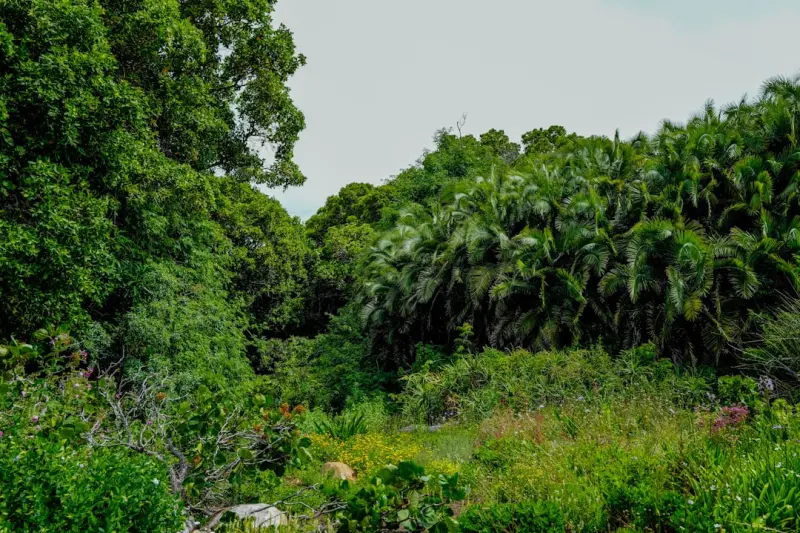
Reimagining Commercial Landscapes: Data‑Driven, Biodiverse, and Resilient
When I first stepped onto a corporate campus that looked more like a desert than a destination, I felt a familiar pang of disappointment. The grass was a uniform carpet, the trees were placeholders, and the entire space whispered “maintenance‑only” rather than “experience‑first.” That moment sparked a personal mission: to prove that landscaping can be both a strategic business asset and an ecological catalyst.
Over the past decade, I’ve watched a quiet revolution unfold across office parks, retail strips, and mixed‑use developments. Companies are no longer content with a lawn that simply looks tidy; they demand green spaces that drive brand equity, lower operating costs, and future‑proof their sites against climate volatility. In this post, I’ll walk you through three emerging pillars that are reshaping commercial landscaping: data‑enabled irrigation and soil health monitoring, native‑focused biodiversity corridors, and integrated renewable energy for outdoor lighting and irrigation.
1. The Rise of Sensor‑Powered Soil Intelligence
Imagine a world where the soil beneath a parking lot tells you exactly when to water, fertilize, or aerate. That world already exists, and it’s anchored by a suite of low‑cost IoT sensors that measure moisture, temperature, pH, and even microbial activity. These devices feed data into a cloud platform that can trigger automated irrigation valves or alert facilities managers via a mobile app.
Why does this matter?
- Cost Savings: Studies show that smart irrigation can reduce water usage by up to 45 % compared with schedule‑based systems.
- Plant Health: Real‑time feedback ensures plants receive just the right amount of water, reducing stress‑related diseases.
- Sustainability Reporting: Collected data can be exported for ESG disclosures, giving companies tangible proof of their water stewardship.
When I implemented a pilot on a 15‑acre corporate campus, the results were immediate. Not only did the water bill drop dramatically, but the previously patchy turf began to exhibit uniform, deep green growth. The secret? A simple rule‑engine that paused irrigation during rain events detected by the sensors—a feature that would have been impossible with a timer alone.
2. Designing for Biodiversity: From Aesthetic to Ecological Function
Landscapes have traditionally been designed for visual appeal. Today, the conversation has shifted toward functionality. By planting native species in layered arrangements—groundcovers, shrubs, and canopy trees—sites can create micro‑habitats that support pollinators, birds, and beneficial insects. This approach not only enhances the visitor experience but also builds ecological resilience.
Key tactics include:
- Native Plant Palette: Select species adapted to local climate and soil, which reduces irrigation needs and eliminates the need for chemical fertilizers.
- Seasonal Bloom Sequencing: Arrange plants so that something is in flower year‑round, providing continuous forage for pollinators.
- Wildlife Corridors: Connect green patches across a site, allowing fauna to move safely and increasing overall biodiversity.
During a redesign for a tech hub in the Pacific Northwest, I introduced a mix of sword ferns, Oregon grape, and western red cedar. Within two years, a local university documented a 60 % increase in native bee activity on the property. The client leveraged that data in a marketing campaign, positioning the campus as “the most pollinator‑friendly office park in the region.”
3. Powering the Outdoors with Renewable Energy
Outdoor lighting and irrigation have traditionally drawn from the building’s grid, adding to operational expenses. By integrating solar‑powered solutions, businesses can offset those costs and reinforce their sustainability narrative.
One compelling option is solar‑as‑a‑service, where a third‑party provider installs and maintains solar arrays, charging the client a flat monthly fee. This model eliminates upfront CAPEX and delivers predictable OPEX, a perfect match for facilities teams focused on budgeting.
Another angle is the use of smart awnings—think dynamic shading structures—that incorporate photovoltaic panels. These awnings not only provide shade to reduce cooling loads but also generate electricity to power low‑voltage LED pathway lighting or the irrigation controller itself.
4. Integrating Landscape Data into Corporate Decision‑Making
Data from soil sensors, weather stations, and biodiversity surveys can feed directly into a company’s broader analytics ecosystem. By correlating landscaping performance with metrics like employee satisfaction, foot traffic, and even sales, executives can see the ROI of green investments in real time.
For example, a retail chain that mapped footfall against the presence of a seasonal flower garden discovered a 12 % increase in dwell time on days when the garden was in full bloom. By presenting this insight to senior leadership, the landscaping team secured additional budget for expanding the garden to other locations.
5. Overcoming Common Challenges
Transitioning to a data‑driven, biodiversity‑focused landscape isn’t without obstacles. Here are the three most frequent hurdles and how to clear them:
- Budget Constraints: Start small with a pilot zone. The measurable savings from smart irrigation often pay for the sensors within a single season.
- Stakeholder Buy‑In: Use visual dashboards that translate raw sensor data into simple graphs—e.g., “water saved” or “bee visits per week.” Visuals speak louder than spreadsheets.
- Maintenance Knowledge Gaps: Partner with a local horticultural college for staff training. This not only builds expertise but also creates a pipeline of talent familiar with your unique plant palette.
6. A Blueprint for the Future‑Ready Landscape
Below is a step‑by‑step framework you can adapt to any commercial property:
- Audit the Existing Site: Map current plant species, irrigation zones, and energy usage.
- Define Objectives: Are you targeting water reduction, brand differentiation, biodiversity, or a mix?
- Choose the Right Technology Stack: Sensors, data platform, and integration points.
- Develop a Native Plant Plan: Work with a regional botanist to select species that meet aesthetic and ecological goals.
- Integrate Renewable Energy: Evaluate solar‑as‑a‑service or on‑site PV for lighting and irrigation.
- Implement and Test: Roll out in phases, monitor performance, and iterate.
- Report and Communicate: Publish quarterly sustainability dashboards for internal and external audiences.
By following this roadmap, you’ll transform a static green area into a living, data‑rich asset that supports both the bottom line and the planet.
7. Real‑World Success Stories
To illustrate the impact, let’s look at two case studies:
Case Study A: A Mid‑Size Law Firm’s Courtyard Revival
The firm had a neglected courtyard plagued by weeds and high water bills. We installed soil moisture sensors, replaced the turf with a drought‑tolerant native mix, and added a solar‑powered LED lighting system. Within six months:
- Water consumption dropped 38 %.
- Employee satisfaction scores related to “workspace ambiance” rose by 15 %.
- The firm earned a local sustainability award, which they highlighted in client proposals.
Case Study B: A Retail Chain’s Regional Park
Across three locations, the retailer introduced wildlife corridors and smart irrigation. By linking the irrigation controller to a regional weather API, the system automatically adjusted watering schedules based on forecasted rain. The outcome?
- Overall irrigation costs fell 27 %.
- Customer dwell time increased by an average of 9 % on sunny days, correlating with the presence of vibrant flower beds.
- The brand’s “green commitment” messaging resonated on social media, earning over 12,000 engagements in the first quarter.
8. The Bottom Line: Landscaping as a Strategic Lever
When we think of commercial real estate, we often focus on square footage, location, and construction quality. Yet, the landscape is a silent influencer—affecting energy consumption, employee well‑being, brand perception, and ecological impact. By harnessing sensor data, championing native biodiversity, and tapping renewable energy, you can convert that silent influencer into a loud, measurable driver of value.
If you’re ready to turn your grounds into a high‑performing, sustainable asset, start with a single sensor, a handful of native plants, and a clear set of objectives. The rest will follow—one data point, one pollinator, and one kilowatt‑hour at a time.

David MacKinnon is a dynamic freelance writer known for his captivating storytelling and keen insights into the world of technology. With a passion for exploring the intersection of innovation and everyday life, he crafts engaging narratives that not only inform but also inspire his readers.
Related Posts
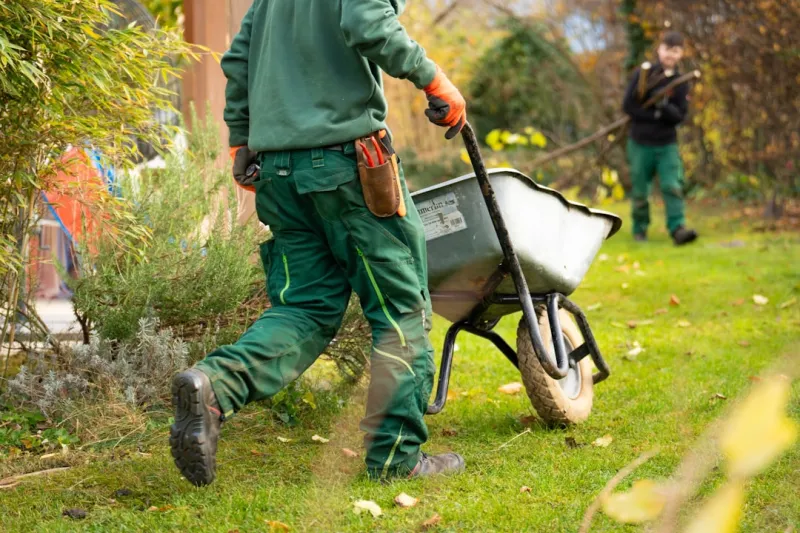
The Green Revolution in Landscaping: Sustainable Practices for a Greener Tomorrow
The green revolution in landscaping is transforming the way we design and maintain outdoor spaces. L... Read More

The Intersection of Landscaping and Sustainable Home Design
Sustainable landscaping is a critical component of sustainable home design. Learn how to create a be... Read More

Regenerative Landscaping: Building a Living, Food‑Rich Garden That Works With Nature
Learn to redesign your yard with regenerative practices—soil building, native planting, rain garde... Read More
Top Posts

Reclaimed Brick Renaissance: Turning Old Walls into Fresh Design Statements
Explore the art of integrating reclaimed brick into contemporary spaces, balancing historic charm with modern performance for a sustainable, striking home makeo...Read More
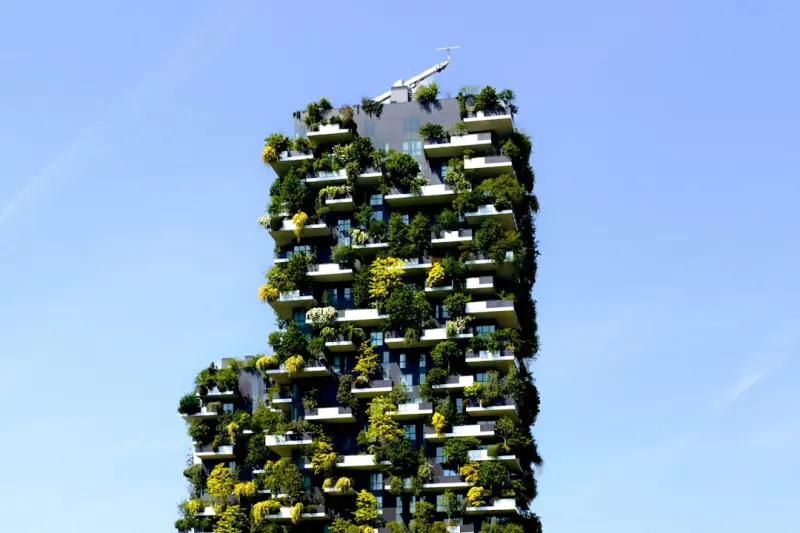
Crafting a Personal Microclimate: Smart, Sustainable Weather Proofing for Your Home
Discover a holistic, data‑driven approach to home weather‑proofing that blends windbreaks, green walls, smart moisture sensors, and adaptive shading to buil...Read More
Next‑Gen Tiles: Adaptive, Sustainable, and Sensory
Discover the future of tiling: smart sensors, reclaimed materials, acoustic cores, and thermal‑mass designs that transform floors into active, sustainable, an...Read More
Tree Care from a Sustainable Contractor’s Perspective: Craig Brett’s Guide to Greener Growth
Contractor Craig Brett shares practical, sustainable tree care tips—pruning, soil health, water management—to boost home efficiency and protect the environm...Read More
0 Comments
Post Comment
You will need to Login or Register to comment on this post!