
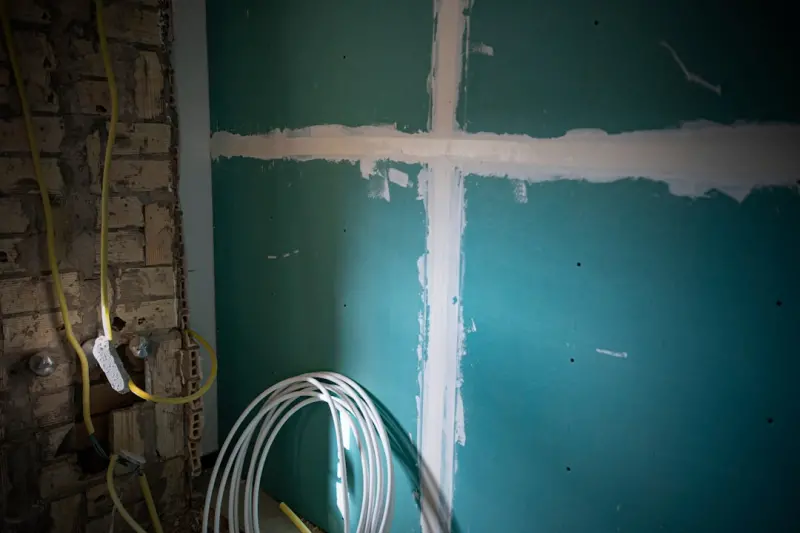
Why Plaster Isn’t Just a Finish Anymore
When most people think about plaster, they picture a plain white wall or a quick patch job after a renovation. In today’s commercial environment, that perception is outdated. Plaster has evolved into a multi‑functional platform that can reinforce brand identity, improve indoor health, and even generate new revenue streams. By treating plaster as a strategic asset rather than a decorative afterthought, facility managers and design leaders unlock opportunities that ripple across the entire organization.
The Business Case: From Cost Center to Value Generator
Traditional budgeting for interior finishes often places plaster in the “cost‑only” column. Yet a closer look reveals hidden savings and income potential. First, plaster’s durability reduces the frequency of touch‑ups and repaint cycles, which translates to lower maintenance labor and material expenses. Second, the surface can be engineered to accommodate magnetic or modular mounting systems, allowing companies to swap out branding elements, signage, or even lightweight displays without invasive construction.
Consider the handyman techniques that turn corners into cash. By applying similar ingenuity to plastered walls—embedding recessed niches, hidden shelving, or removable panels—organizations convert dead space into revenue‑generating real estate. A consulting firm, for example, can lease a small showcase wall to a partner, turning a static surface into a dynamic marketing platform.
Brand Storytelling on a Textured Canvas
Every brand strives for consistency, and the physical environment is a powerful storyteller. Plaster offers a tactile canvas that can be customized with pigments, aggregates, and embossing techniques that echo a company’s visual language. Imagine a tech startup whose brand palette includes deep teal and metallic silver; a bespoke plaster finish can incorporate those hues through integral pigments, eliminating the need for costly paint jobs that fade over time.
Beyond color, the texture itself can convey brand values. A sustainable brand might opt for a lime‑based plaster with a subtle, earthy grain, while a luxury boutique could choose a high‑gloss, marble‑infused finish that whispers opulence. These subtle cues shape visitor perception the moment they step inside, reinforcing the narrative without a single spoken word.
Health‑First Plaster: The Quiet Defender of Indoor Air
Indoor air quality (IAQ) is a top concern for employers seeking to boost productivity and reduce sick‑days. Conventional gypsum plaster can trap moisture, leading to mold growth and volatile organic compound (VOC) emissions. Modern plaster systems, however, incorporate breathable lime or calcium silicate matrices that actively regulate humidity and resist microbial colonisation.
When combined with proper ventilation—think clean ductwork strategies—these plaster types become silent guardians of IAQ. The result is a healthier workspace, lower absenteeism, and a tangible demonstration of the company’s commitment to employee well‑being.
Embedding Intelligence: Smart Plaster for Real‑Time Monitoring
What if your walls could talk? Smart plaster integrates ultra‑thin sensor layers within the finish, delivering real‑time data on moisture, temperature, and structural strain. This technology is not just for heritage conservation; it’s a forward‑looking tool for any commercial property aiming to pre‑empt maintenance issues before they become costly disruptions.
The sensors communicate wirelessly with building‑management platforms, triggering alerts when moisture thresholds are breached—an early warning system against leaks or condensation. By acting on this data, facilities teams can schedule targeted interventions, preserving both the aesthetic integrity of the plaster and the structural health of the building.
Eco‑Friendly Formulations: Closing the Loop on Materials
In an era where circular economy principles dominate procurement strategies, plaster manufacturers are turning waste streams into raw materials. Recycled glass aggregate, reclaimed gypsum from demolition sites, and even agricultural by‑products like hemp fibers can be blended into plaster mixes. This not only reduces landfill waste but also lowers the carbon footprint of the finish.
Projects that adopt such circular maintenance approaches often qualify for green building certifications, unlocking tax incentives and appealing to environmentally conscious tenants. Moreover, these sustainable plasters often perform better in terms of durability and moisture regulation, creating a win‑win scenario.
Speed and Flexibility: The Competitive Edge of Modern Plaster
Time‑to‑market is a critical metric for businesses renovating office spaces or launching pop‑up locations. Modern plaster systems, especially those based on spray‑applied technology, can be installed up to 30% faster than traditional hand‑troweled methods. The rapid cure times mean that interior fit‑out teams can move from rough‑in to final finish in days rather than weeks.
This speed advantage reduces labor costs and minimizes disruption to ongoing operations. For a retailer opening a new flagship store, a swift plaster turnaround can mean an earlier grand opening and, consequently, earlier revenue generation.
Design Flexibility: From Minimalist to Maximalist
Plaster’s adaptability extends far beyond simple flat surfaces. Using moulds and templates, designers can create intricate patterns, faux stone effects, or even three‑dimensional reliefs that serve as focal points in lobbies or conference rooms. These artistic installations can be produced in‑house with modest equipment, offering a cost‑effective alternative to custom wall panels or imported stone.
Because plaster adheres directly to the substrate, there’s no need for additional framing, which reduces material waste and simplifies installation logistics. The result is a high‑impact visual element that aligns with the brand’s aesthetic without inflating the budget.
Maintenance Made Simple: The Long‑Term Advantage
One of plaster’s underrated strengths is its ease of repair. Small cracks or surface dents can be addressed with a quick skim coat, restoring the wall to its original condition without sanding or repainting the entire surface. This localized repair capability dramatically lowers the total cost of ownership over a building’s lifecycle.
Furthermore, because plaster creates a seamless, non‑porous surface, it resists staining and graffiti. In high‑traffic commercial environments, this durability translates to fewer deep‑clean cycles and a consistently professional appearance.
Future‑Proofing with Plaster: Integration with Emerging Trends
As the workplace evolves, so do the demands placed on interior finishes. Plaster can serve as a foundation for emerging trends such as augmented reality (AR) wayfinding, where projected graphics interact with the texture of the wall, or for modular acoustic panels that snap onto a plastered surface without adhesives.
By selecting plaster systems that are compatible with these technologies, property owners future‑proof their spaces, ensuring that upgrades can be implemented with minimal disruption and expense.
Getting Started: A Pragmatic Roadmap
To harness plaster’s full potential, follow this three‑step roadmap:
- Audit Your Objectives: Identify whether your priority is brand reinforcement, health improvement, cost reduction, or technological integration.
- Choose the Right Mix: Select a plaster formulation—lime‑based for sustainability, gypsum‑based for speed, or smart plaster for monitoring—aligned with your goals.
- Partner with Specialists: Work with contractors experienced in custom finishes and sensor integration to ensure flawless execution.
By approaching plaster with the same strategic mindset applied to digital assets, organizations can transform an ordinary wall into a high‑impact, multi‑functional business tool.

Craig Brett is a freelancer with a passion for the outdoors. His love for nature inspires his work, bringing authentic and engaging perspectives to projects related to outdoor activities, adventure, and environmental topics.
Related Posts

The Future of Plastering: Embracing Sustainable Practices
The plastering industry is evolving, and sustainable practices are leading the way. Learn about the ... Read More
The Untapped Power of Modern Plaster: Acoustics, Fire Safety, and Smart Integration
Explore the hidden strengths of modern plaster—from acoustic dampening and fire protection to ecoâ... Read More

When Walls Whisper: Harnessing Acoustic Plaster for Healthier Spaces
Acoustic plaster blends timeless craftsmanship with modern sound‑absorbing technology, offering an... Read More
Top Posts
The Future of Home Design: How Sustainable Practices Are Revolutionizing the Industry
The future of home design is all about embracing sustainable practices that benefit both homeowners and the environment. Learn more about the latest trends and ...Read More

Sustainable Home Restoration: Turning Old Spaces into Green Havens
Learn to revitalize your home responsibly: assess structure, choose green materials, integrate smart tech, and create lasting value while protecting the planet....Read More

Smart Awnings: How Intelligent Shade is Redefining Outdoor Living
Explore the rise of smart awnings—IoT‑enabled, solar‑powered shade solutions that transform outdoor spaces into energy‑saving, automated havens....Read More

Beyond Square Feet: Crafting Home Additions That Grow With You
A seasoned contractor shares practical insights on creating flexible, resilient home additions that boost livability and resale value while embracing wellness a...Read More
0 Comments
Post Comment
You will need to Login or Register to comment on this post!