
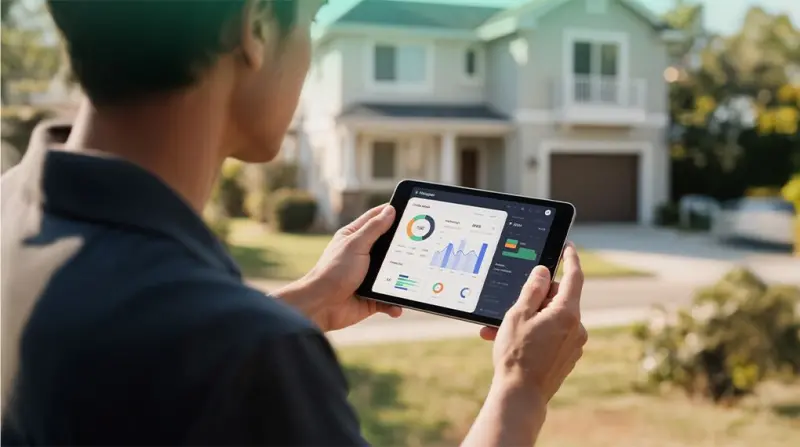
Why Predictive Analytics Is the New Frontier in Property Maintenance
I’ve spent years juggling repair calls, tenant complaints, and budget spreadsheets, and the one revelation that finally shifted my mindset was the power of data‑driven foresight. Instead of reacting to a burst pipe or a cracked façade, I now let patterns from humidity sensors, energy meters, and historical work orders whisper the next likely failure, allowing me to schedule interventions before they become emergencies. This shift from “fix‑it‑when‑it‑breaks” to predictive maintenance not only steadies cash flow but also builds trust with occupants who appreciate a home that seems to anticipate their needs.
Building a Living Maintenance Calendar
The first step was to replace my static, once‑a‑year checklist with a dynamic calendar that updates in real time as sensor data streams in and as lease cycles change. I integrated a cloud‑based platform that pulls in warranty expiration dates, manufacturer service intervals, and even the seasonal weather forecast, then auto‑generates work orders with priority tags. By treating the calendar as a living document rather than a paper‑pinned list, I’ve been able to allocate crews more efficiently and avoid the dreaded “double‑booked” scenario that once cost me both time and reputation.
Sensor Networks: The Eyes and Ears of Your Building
Installing a modest network of wireless sensors—temperature probes in the attic, moisture detectors in basements, and vibration monitors on HVAC compressors—has turned my properties into smart entities that self‑report anomalies. The data points feed into a machine‑learning model that learns the normal operating envelope for each system and flags outliers with a confidence score, so I can prioritize the most critical alerts. What used to be a blind guess about a furnace’s health now becomes a quantifiable risk, allowing me to intervene with precision and confidence.
Tenant Portals as Maintenance Allies
A common blind spot in traditional upkeep is the lack of real‑time feedback from those who experience the property daily. By offering tenants a simple mobile portal where they can snap a photo, add a note, and submit it directly to the maintenance queue, I’ve turned occupants into first‑line detectors. The portal also pushes automated reminders for tenant‑responsible tasks—like clearing gutter debris—so responsibilities are clearly delineated, reducing friction and fostering a collaborative upkeep culture.
Calculating the True Cost Avoidance
Numbers speak louder than anecdotes, so I built a spreadsheet that translates each prevented failure into dollars saved, factoring in labor, emergency service premiums, and potential insurance claim reductions. For example, a sensor‑triggered early HVAC coil cleaning saved roughly $2,800 in what would have been a costly compressor replacement later in the season. When you aggregate these savings across multiple properties, the ROI of predictive analytics often exceeds 300%, making the upfront tech investment a no‑brainer for savvy owners.
Environmental Wins That Complement the Bottom Line
Beyond the financial upside, predictive maintenance dramatically cuts waste by ensuring components are serviced only when needed, extending their lifespan, and avoiding premature replacements. Energy‑intensive systems run at optimal efficiency when they’re kept in peak condition, which translates into lower utility bills and a smaller carbon footprint. This alignment of sustainability and profitability resonates with increasingly eco‑conscious tenants, adding another layer of marketability to the property.
Learning from Proactive Strategies
If you’re skeptical about the shift, take a look at the insights from proactive maintenance strategies that have already proven their worth in reducing emergency call‑outs. Those case studies highlight how a disciplined, data‑backed approach can shave weeks off repair turnaround times and boost tenant satisfaction scores. By layering predictive analytics on top of those proven tactics, you create a maintenance engine that not only prevents problems but also continuously optimizes itself.
Selecting the Right Tech Partner
Not all platforms are created equal; the best ones offer open APIs, seamless integration with existing property management software, and a user‑friendly dashboard that even non‑technical staff can navigate. I gravitated toward a solution that also provides robust security features, a nod to the lessons from smart power quality management where data integrity is paramount. A thorough vendor vetting process—checking references, pilot testing, and ensuring scalability—helps avoid costly lock‑ins and guarantees the system grows with your portfolio.
Putting It All Together: Your Action Plan
Start small by piloting sensors in one high‑risk area, set up the predictive algorithm, and invite a handful of tenants to use the portal; watch the data flow and refine your alerts. Within a few months, you’ll see a measurable dip in emergency repairs and a clearer picture of where budget should be allocated. Embrace the mindset that maintenance is no longer a chore but a strategic advantage, and you’ll find your properties not just surviving—but thriving—in an increasingly competitive market.

Kelly Reynolds is a dynamic freelance writer hailing from the picturesque landscapes of Alberta. A master of the written word, she juggles her passion for storytelling with the exhilarating chaos of being a mother to five spirited children. With an impressive portfolio that spans various genres, Kelly captivates readers through her engaging blog posts and thought-provoking articles.
Related Posts

The Evolution of Sustainable Property Maintenance: A Greener Future for Your Home
Sustainable property maintenance is on the rise, and it's revolutionizing the way we care for our ho... Read More

Mastering Preventive Property Maintenance: A Homeowner’s Roadmap
Learn how a year‑round preventive maintenance plan, smart technology, and tenant involvement can s... Read More

The Hidden Power of Routine Property Maintenance: A Lifestyle Upgrade
Explore a fresh approach to property upkeep that blends mindfulness, smart tech, and community suppo... Read More
Top Posts

Seasonal Handyman Checklist: Stay Ahead of Home Repairs
A step‑by‑step seasonal handyman checklist helps you stay ahead of repairs, protect your home, and save money with proactive, easy‑to‑follow maintenance...Read More

Shade as Strategy: Transforming Awnings into Smart Building Assets
A modern awning is more than shade—it’s a strategic, data‑driven asset. Learn how intelligent materials, automation, and integration with building systems...Read More
The Sustainability Shift in Plumbing: A Greener Future for Your Home
Learn how to make your home more eco-friendly with sustainable plumbing practices, innovative solutions, and expert tips from a seasoned plumber....Read More

Quiet Comfort: Simple Acoustic Upgrades Every Homeowner Can DIY
Learn how to transform noisy rooms into peaceful havens with low‑cost, hands‑on acoustic upgrades—from sealing door gaps and adding rugs to DIY wall panel...Read More
0 Comments
Post Comment
You will need to Login or Register to comment on this post!