
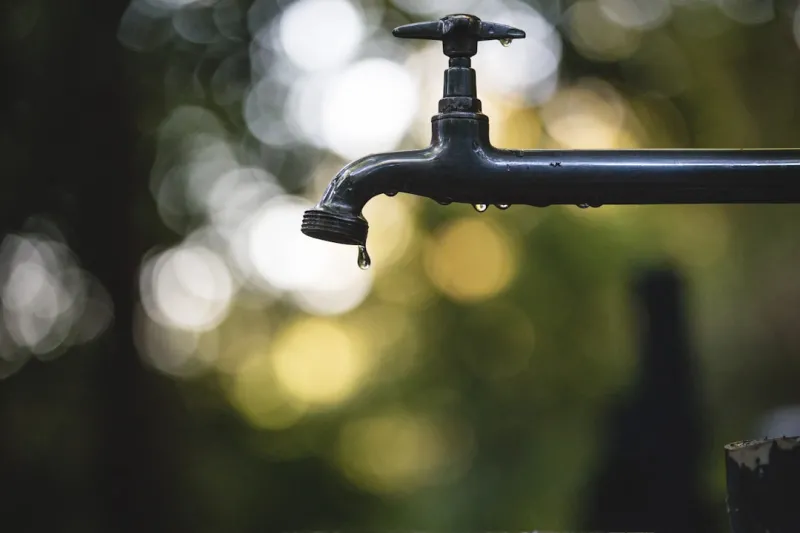
The Sustainability Shift in Plumbing: A Greener Future for Your Home
As a seasoned plumber, I've witnessed firsthand the growing concern for sustainability in the home improvement industry. Homeowners are becoming increasingly aware of the importance of reducing their environmental footprint, and one area that offers significant opportunities for eco-friendly transformation is plumbing. In this article, I'll explore the sustainability shift in plumbing, highlighting practical solutions and innovative technologies that can help you make your home more eco-friendly.
The traditional plumbing systems in many homes are often inefficient and wasteful, consuming excessive amounts of water and energy. However, by adopting sustainable plumbing practices, homeowners can significantly reduce their water consumption, lower their energy bills, and contribute to a more environmentally conscious future. One of the most effective ways to achieve this is by installing low-flow fixtures and appliances, such as low-flow showerheads and toilets. These devices use significantly less water than their traditional counterparts, making them an excellent starting point for any homeowner looking to reduce their water usage.
Embracing Eco-Friendly Plumbing Materials
In addition to adopting water-efficient fixtures, homeowners can also make a significant impact by choosing eco-friendly plumbing materials. Recycled and recyclable materials are becoming increasingly popular, offering a sustainable alternative to traditional materials. For example, copper pipes are not only durable but also highly recyclable, reducing waste and minimizing the demand for virgin materials. Similarly, PEX (cross-linked polyethylene) pipes are a flexible and eco-friendly option, offering a reduced risk of leaks and corrosion.
The Role of Greywater Systems
Another innovative solution gaining traction in the plumbing industry is greywater systems. These systems collect and treat wastewater from sinks, showers, and washing machines, allowing it to be reused for irrigation and flushing toilets. By implementing a greywater system, homeowners can significantly reduce their water consumption, minimizing the strain on municipal water supplies. For those interested in learning more about greywater systems, I recommend exploring the benefits and installation process in more detail.
The Importance of Regular Maintenance
Regular maintenance is crucial to ensuring the longevity and efficiency of any plumbing system. By scheduling regular inspections and maintenance checks, homeowners can identify and address potential issues before they become major problems. This proactive approach not only saves water and energy but also helps prevent costly repairs and extends the lifespan of plumbing fixtures and appliances. For homeowners looking to stay on top of maintenance, I recommend exploring sustainable property maintenance practices for a more comprehensive approach.
Radiant Floor Heating: A Sustainable Solution
One of the most significant advancements in plumbing technology is radiant floor heating. This system involves installing heating elements, such as pipes or electric mats, beneath the floor to provide warmth and comfort. Radiant floor heating offers numerous benefits, including energy efficiency, reduced water consumption, and improved indoor air quality. For those interested in learning more about this innovative solution, I recommend exploring the benefits and installation process in more detail.
The Future of Plumbing: Trends and Innovations
The plumbing industry is on the cusp of a revolution, driven by technological advancements and growing concerns for sustainability. Some of the most exciting trends and innovations include the development of smart plumbing systems, which use advanced sensors and automation to optimize water usage and energy efficiency. Additionally, there is a growing interest in rainwater harvesting systems, which collect and store rainwater for non-potable uses, such as irrigation and toilet flushing.
Conclusion
The sustainability shift in plumbing offers homeowners a unique opportunity to reduce their environmental footprint, lower their energy bills, and contribute to a more eco-friendly future. By adopting water-efficient fixtures, embracing eco-friendly materials, and exploring innovative solutions like greywater systems and radiant floor heating, homeowners can make a significant impact. As a plumber, I'm excited to be part of this revolution, and I encourage homeowners to join the journey towards a more sustainable future.
Getting Started: Tips and Resources
For homeowners looking to embark on this journey, I recommend starting with a comprehensive assessment of your plumbing system. Identify areas for improvement, and explore eco-friendly solutions that align with your budget and goals. Some recommended resources include the green home inspection guide and sustainable DIY repair tips. By working together, we can create a more sustainable future, one plumbing system at a time.
Final Thoughts
The sustainability shift in plumbing is more than just a trend; it's a necessary step towards a more environmentally conscious future. As homeowners, we have the power to make a significant impact, and it's essential that we take action. By embracing eco-friendly plumbing practices, exploring innovative solutions, and staying informed about the latest trends and technologies, we can create a better future for ourselves and future generations.

Craig Brett is a freelancer with a passion for the outdoors. His love for nature inspires his work, bringing authentic and engaging perspectives to projects related to outdoor activities, adventure, and environmental topics.
Related Posts
Transforming Pipes into Profit: Leveraging Modern Plumbing for Business Growth
By re‑imagining water networks as strategic assets, building owners can cut waste, improve tenant ... Read More
Reviving Vintage Pipes: Modern Solutions for Historic Homes
A deep dive into preserving and modernizing the plumbing of historic homes, balancing heritage aesth... Read More
Avoid Common Pitfalls with Plumbing Emergencies - When to call a professional
Plumbing emergencies can quickly spiral into expensive disasters if not handled correctly. Learn how... Read More
Top Posts
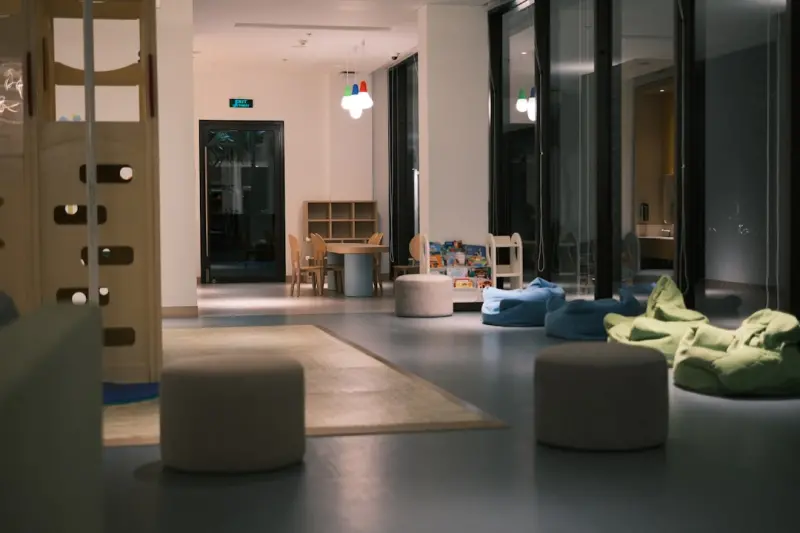
Designing Spaces That Breathe: A Multisensory Approach to Modern Interiors
Discover a fresh interior design philosophy that blends nature, color psychology, smart lighting, and adaptable furniture to craft spaces that engage sight, tou...Read More
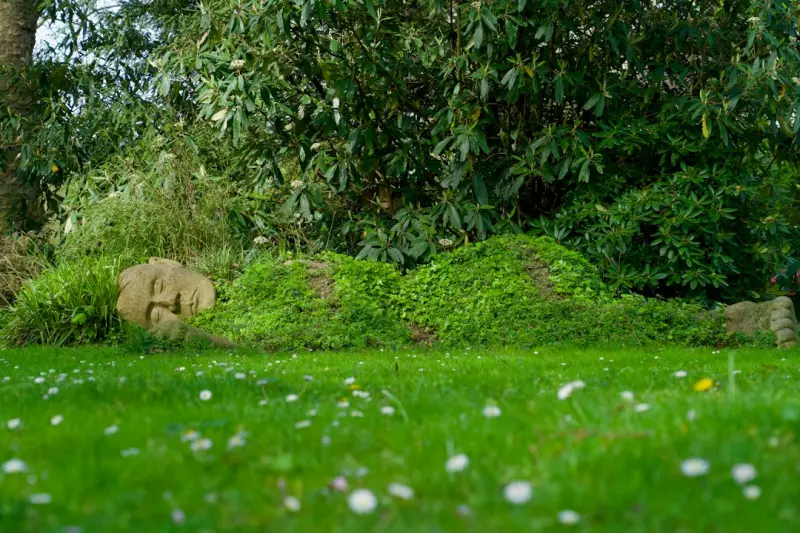
Edible Landscapes: Turning Lawns into Kitchen Gardens
Explore the rise of edible landscaping, a design approach that converts ordinary lawns into thriving kitchen gardens, delivering fresh food, reduced maintenance...Read More

The Rise of Augmented Reality on the Construction Jobsite
Augmented reality is turning construction sites into interactive, data‑rich environments. This post explores why AR is a game‑changer for general contractor...Read More
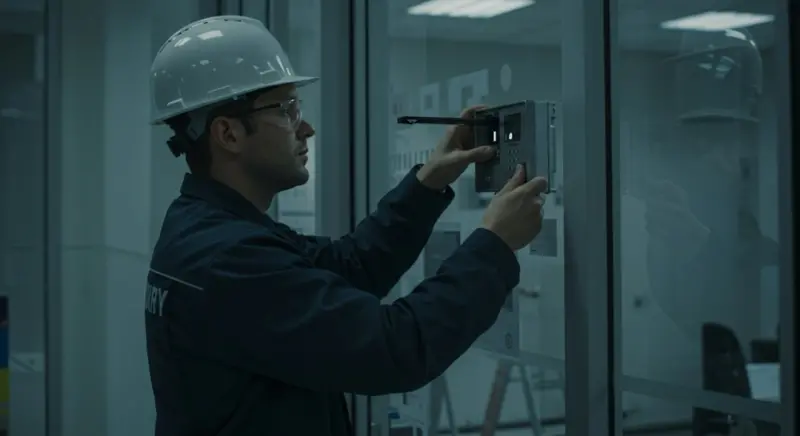
Energy Inspection Redefined: From Reactive Audits to Continuous Insight
A deep dive into turning energy inspection from periodic checks into a real‑time, predictive practice that boosts efficiency, sustainability, and the bottom l...Read More
0 Comments
Post Comment
You will need to Login or Register to comment on this post!